
Last updated November 22, 2026
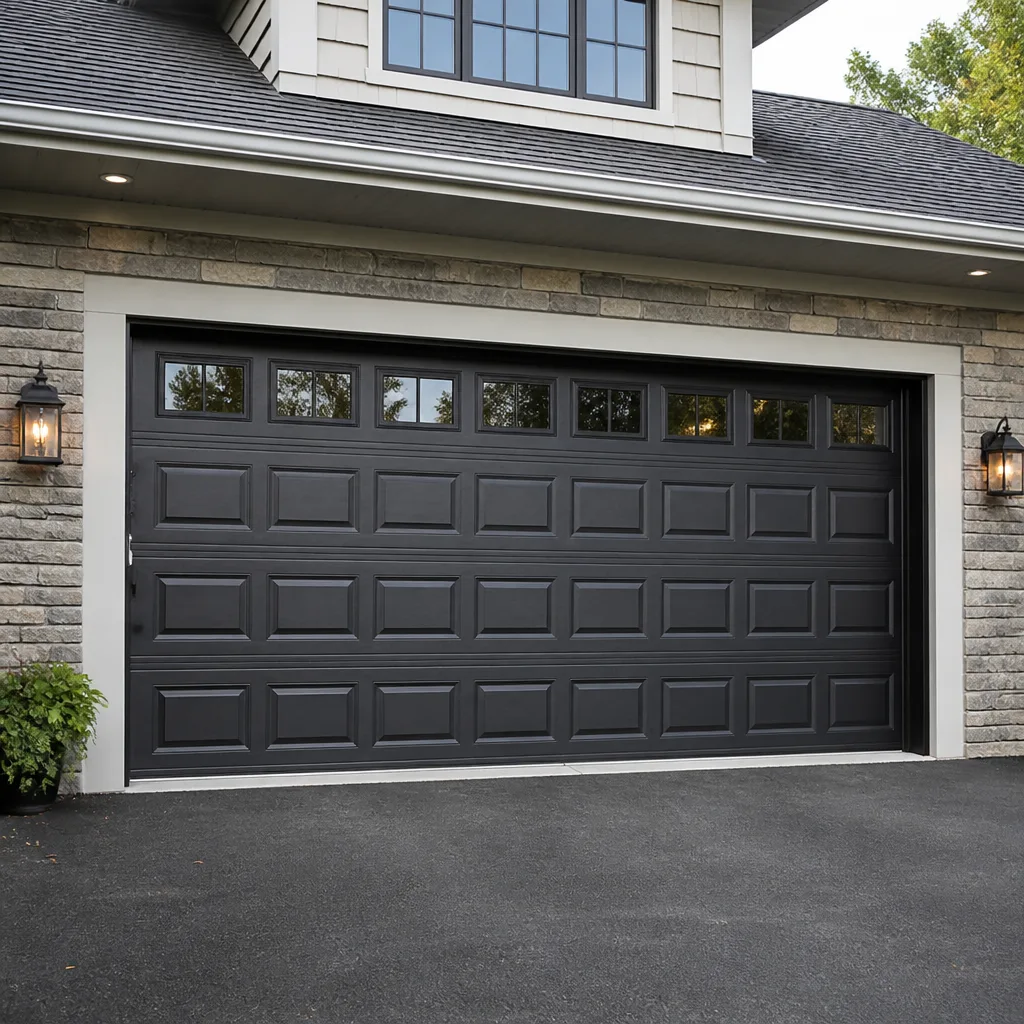 Raised-panel steel
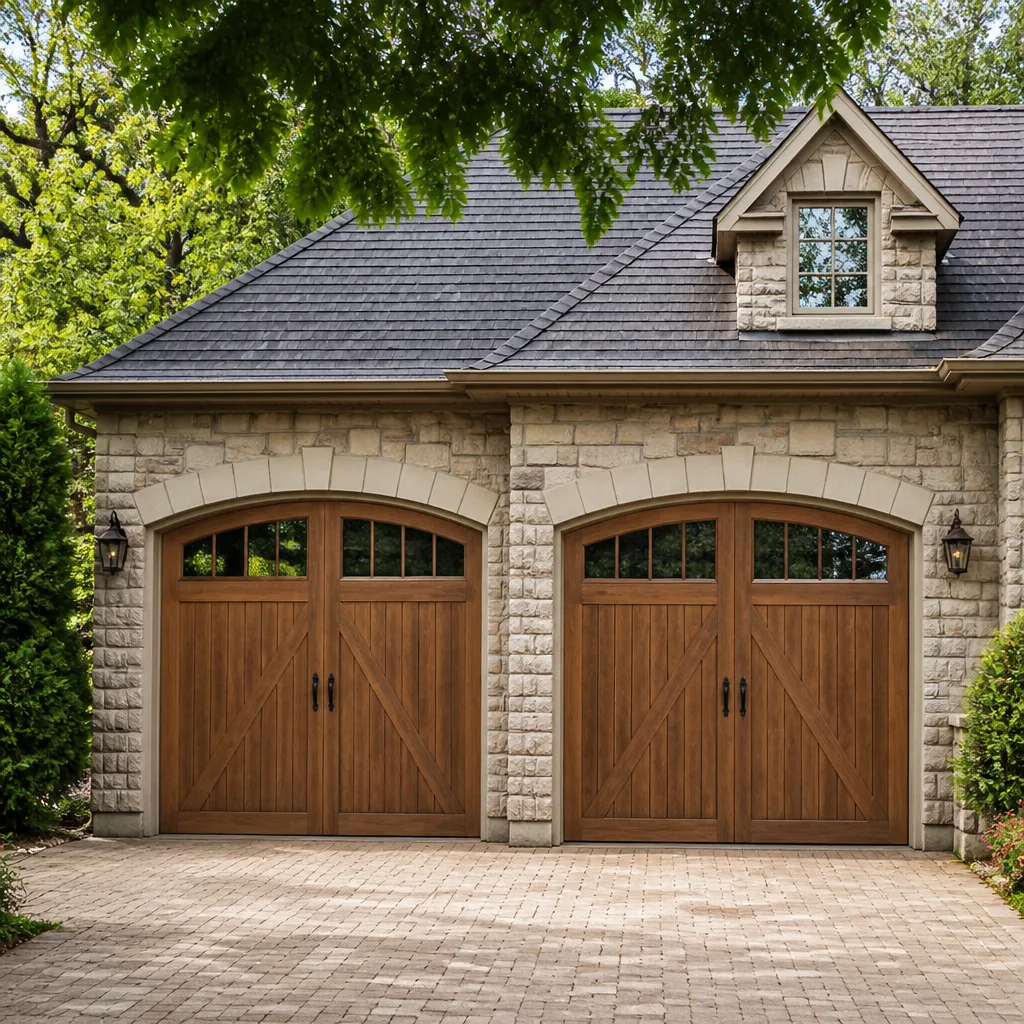 Carriage house
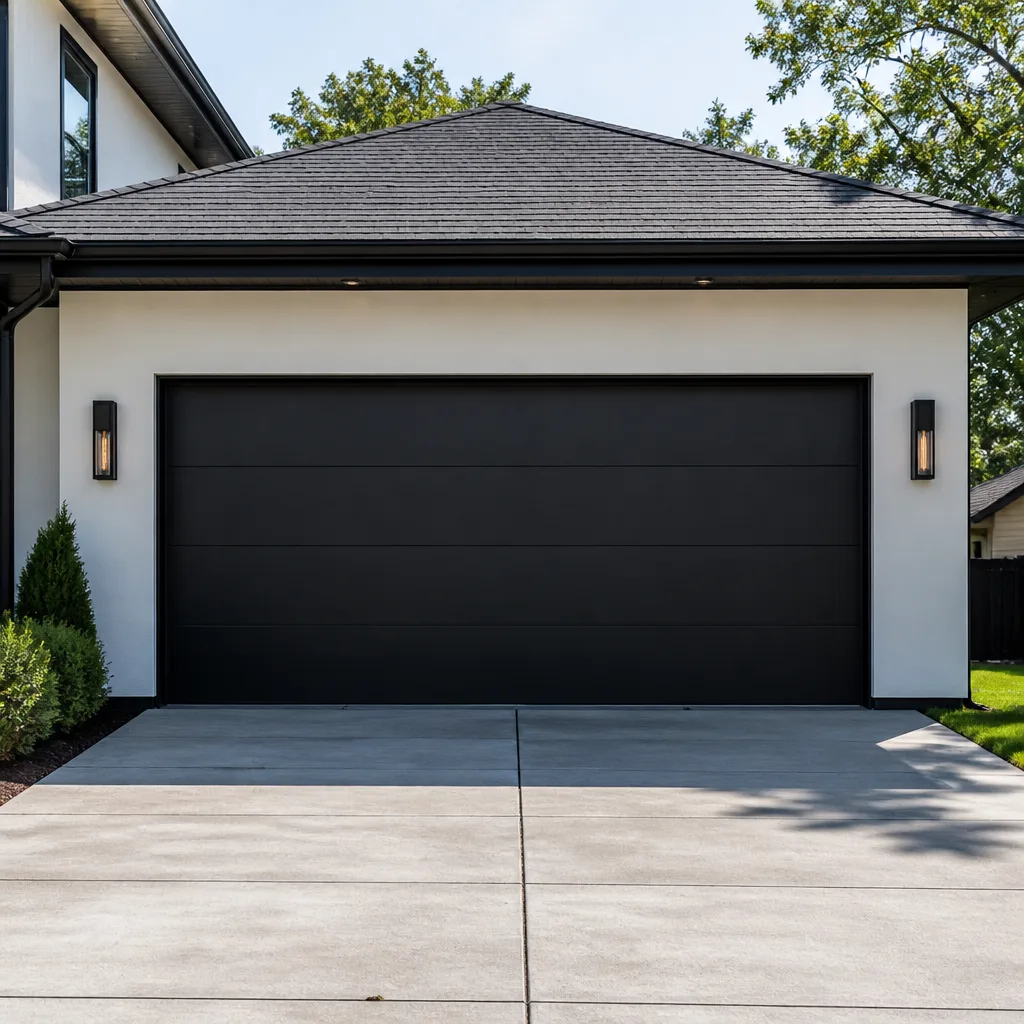 Modern flush
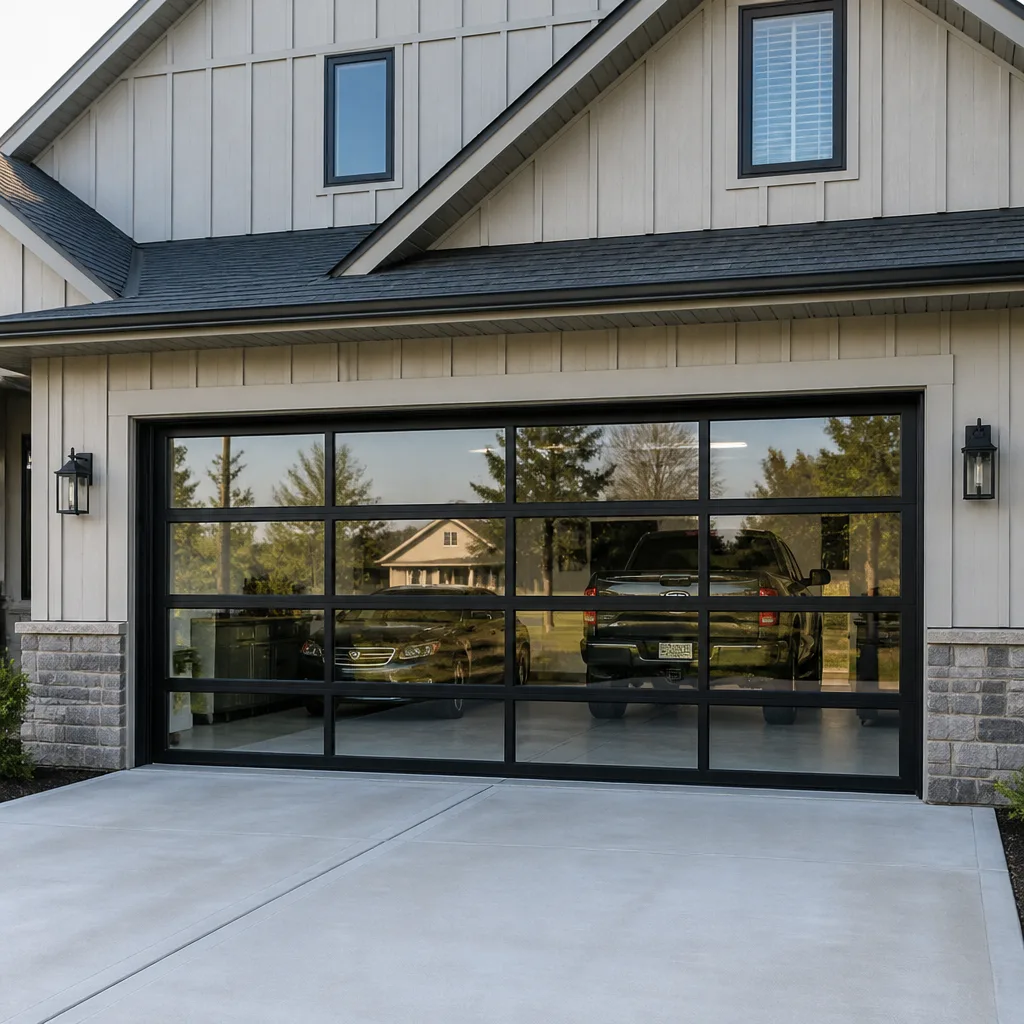 Full-view glass
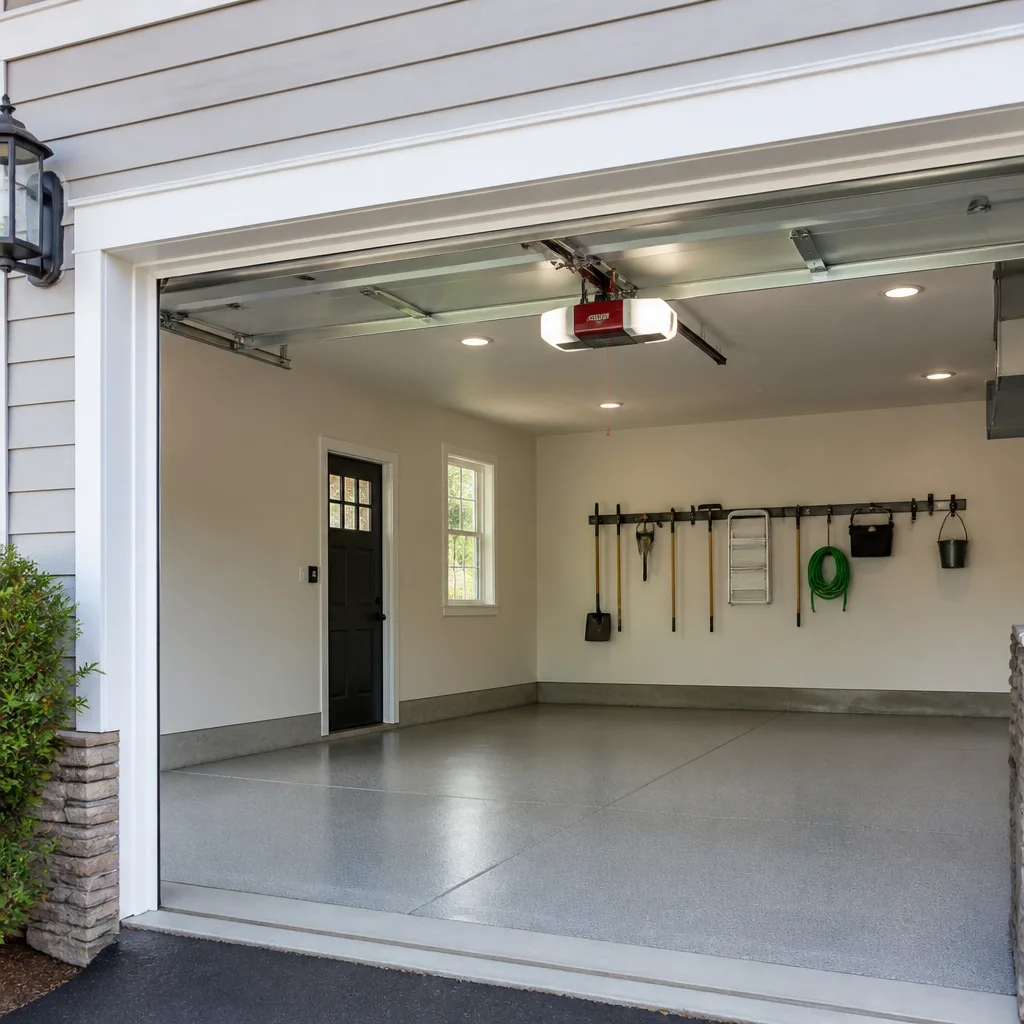 LiftMaster openers
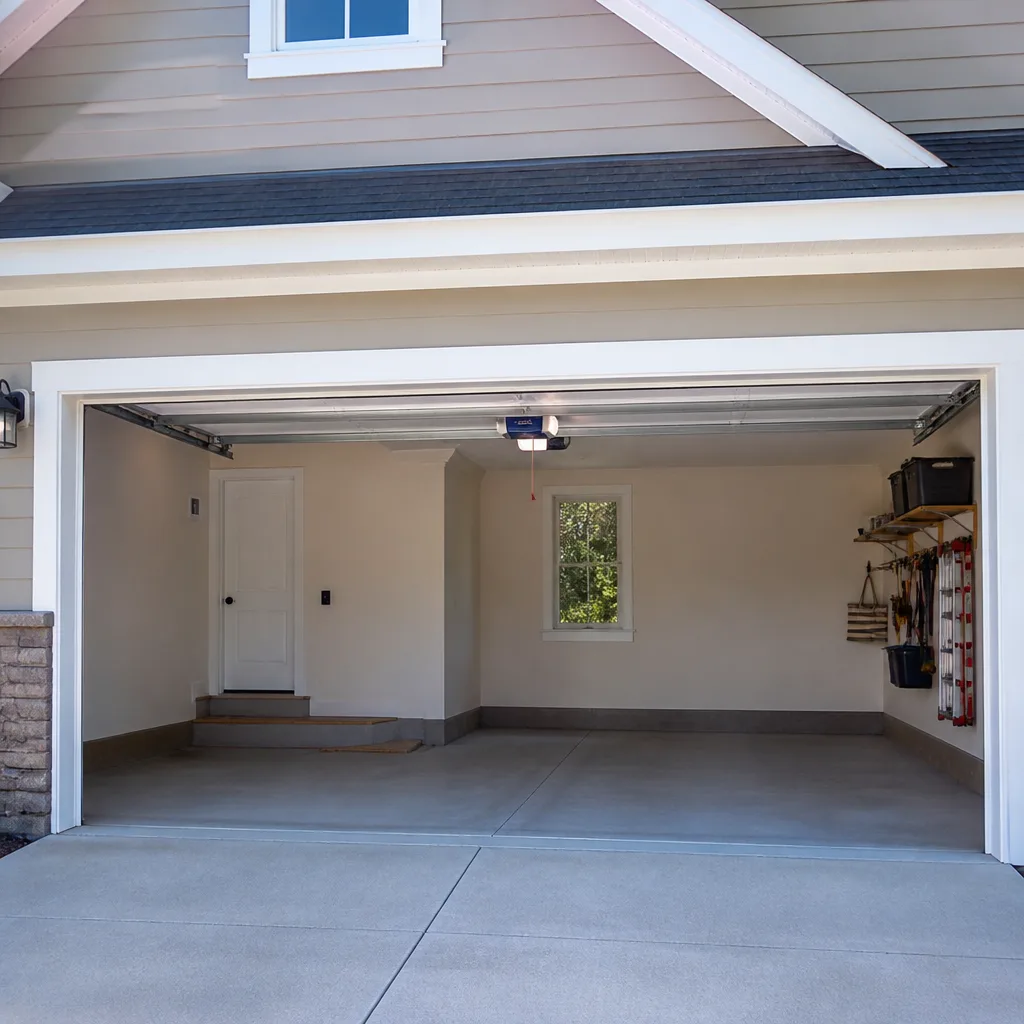 Chamberlain openers
Full 25-point door and opener safety check with every visit - springs, cables, rollers, tracks, and your LiftMaster or Chamberlain opener included
You get a price before we start. It does not change when the pro arrives.
Get your free estimateSeasonal Garage Door Care for Hilliard: Year-Round Homeowner’s Guide
The most common garage door service call in Hilliard happens in January, and it rarely starts with a sudden failure. It starts with a small problem that appeared in October, got put off through the holidays, and then became impossible to ignore on a 9°F morning when the door refused to move. That pattern is so consistent it tells you something about this climate: Hilliard doesn’t hand your garage door one season at a time, it throws hard freezes, humid summers, ice storms, and temperature swings that can hit 40 degrees in a single day. A care schedule built for central Ohio beats any generic four-season checklist. This guide walks you through the tasks that actually matter here, month by month.
Quick Answer
Seasonal garage door care in Hilliard means checking seals and bottom weatherstripping before the first hard freeze, keeping the tracks and hinges lubricated year-round, watching for humidity-driven swelling on wood doors in the summer, and checking spring tension each fall before winter cold puts the system under maximum stress. A door that gets these few tasks on schedule avoids most of the January emergency calls that come from problems that were visible for months.
Styles & brands we work with
- Raised-panel steel
- Carriage house
- Modern flush
- Full-view glass
- LiftMaster openers
- Chamberlain openers
Table of Contents
- Why Hilliard’s Climate Is Hard on Garage Doors
- Month-by-Month Care Calendar for Central Ohio
- Freeze-Thaw and Your Bottom Seal: What to Check Before First Freeze
- Summer Humidity and Wood Garage Doors in Older Hilliard Neighborhoods
- Winterizing an Attached Garage Door Without Interfering With the Opener
- The Fall Spring Tension Check That Prevents January Emergencies
- What an Annual Tune-Up Should Include
- Common Mistakes to Avoid
Why Hilliard’s Climate Is Hard on Garage Doors
A garage door is a large, mostly metal and rubber system that has to operate smoothly in every kind of weather. In Hilliard, that system sees all four extremes within a single calendar year, and sometimes within a single week. The freeze-thaw cycle is the hardest part. When temperatures move above and below freezing repeatedly, water gets into small gaps, expands when it freezes, and slowly pries things apart. Rubber seals lose their flexibility. Wood swells and then shrinks. Metal tracks shift slightly on their anchors. None of that is dramatic on its own. It compounds.
Add the humidity of a central Ohio summer and the picture gets more complicated. Humidity doesn’t just make doors feel sticky. On wood doors, it works its way into the panels, and that swelling pushes outward against the frame and track. When the humidity drops in fall, the wood shrinks back, sometimes unevenly, and paint that was holding tight in July can start to crack. The swing from a 40-degree day in February back to 10°F overnight is the same story told faster.
What we’ve seen in our experience around Hilliard is that doors fail in predictable patterns that line up with the seasons. Doors that get attention in September and October rarely need emergency work in January. Doors that go five or six years without a check tend to pick the coldest morning of the year to fail. The good news is that the tasks that keep a Hilliard door working are not complicated. They just need to happen on the right schedule.
If your door is already giving you trouble, our garage door repair team can look at it and tell you what’s going on before winter makes it worse.
Month-by-Month Care Calendar for Central Ohio
Generic care guides break the year into four seasons and call it done. That’s not how a Hilliard garage door ages. The tasks that matter most land in specific months because the weather that stresses each part of the system arrives on its own schedule. This calendar is built around central Ohio patterns.
Month-by-Month Task List
- January: Listen for odd noises when the door opens on the first cold morning of the year. Cold grease gets thick and tracks contract. If the door sounds labored, the opener may be working harder than it should.
- February: Check the bottom seal for cracks after the coldest stretch. Ice has been building up under the door, and the seal takes the hit.
- March: As snow melts, look for water pooling where the door meets the floor. A worn seal lets meltwater creep into the garage.
- April: Wipe down the tracks and check the hinges and rollers. Spring is when you want to catch small issues before summer humidity sets in.
- May: Inspect any wood panels for early signs of paint cracking. Once summer humidity arrives, small cracks grow.
- June: Check that the door closes firmly against the seal. Summer heat can make wood doors swell and get tight in the frame.
- July: Lubricate hinges, rollers, and springs with a garage-door-specific lubricant, not household oil or grease.
- August: Test the door’s balance by disconnecting the opener and lifting it by hand. It should move easily and stay around halfway up.
- September: This is the big one. Check spring tension, seals, and tracks before the first real cold snap.
- October: Replace a worn bottom seal before the first hard freeze. Once it’s frozen, replacing it is much harder to do properly.
- November: Winterize an attached garage: seal gaps around the door frame and check the weatherstripping around the perimeter.
- December: Watch the opener light and listen for uneven travel. Cold weather is when a weak opener shows its limits.
Freeze-Thaw and Your Bottom Seal: What to Check Before First Freeze
The bottom seal, sometimes called the bottom weatherstripping, is the soft rubber or vinyl strip that runs along the bottom edge of the door and presses against the floor when the door closes. It takes more abuse than any other part of the system. Every time the door comes down, the seal compresses. Every time water sits under the door, the seal is underwater. In Hilliard, the freeze-thaw cycle around late October and November is when the seal ages fastest. Water that gets trapped under a worn seal freezes overnight, expands, and widens the gap. Next time it thaws, more water gets in. Over a few weeks the seal goes from slightly worn to fully compromised.
What to check before the first freeze:
- Run a hand along the bottom of the closed door. The seal should feel soft and consistent, not hard, cracked, or chunked out.
- Look for daylight under the door when it’s closed. Any visible line of light means the seal or the door height needs attention.
- Check the corners where the seal meets the frame. That’s where cracks start first.
- Press the seal with your thumb. If it doesn’t spring back, it has lost flexibility and won’t seal well in cold weather.
- Feel for water on the garage floor after a rain. Meltwater and rain both get in through a bad seal.
If the seal is cracking or hard, replace it before the hard freeze arrives. In our experience, this is the single most overlooked task in a Hilliard fall maintenance list, and it’s the one that most reliably prevents water damage and cold drafts through the winter. A stiff seal also puts extra strain on the opener, because the door can’t settle fully and the opener is constantly working against a tighter fit.
Summer Humidity and Wood Garage Doors in Older Hilliard Neighborhoods
Older Hilliard neighborhoods have a lot of wood garage doors, and those doors behave differently in summer than they do in winter. Wood absorbs moisture from the air. In a humid July, a wood door can swell enough that it drags on the frame, rubs against the track, or gets hard to close. Panels that fit cleanly in April can be tight by July. Paint that was fine in spring can start to crack as the wood beneath it expands and contracts.
Swelling also pushes the door slightly out of alignment with the track. You might notice the door binding partway down or leaning to one side. In serious cases, the rollers start to grind against the track because the door isn’t running straight anymore. If you see horizontal cracks in the paint or small splits appearing along the seams between panels, the wood is moving under humidity stress.
What to do about it:
- Check that the door closes evenly against the frame. Run a hand along both sides; the gap should match.
- Look for paint cracks and touch them up before they grow.
- Watch for horizontal splits along panel seams. Small ones can be sealed; large ones need to be looked at by a technician.
- Test the door’s movement by opening and closing it a few times. If it’s binding, that’s not a wood issue alone; the track alignment may need adjustment.
- Keep the door’s exterior finish intact. Paint and stain seal the wood against moisture uptake.
If the door is binding or the tracks are shifting, that’s often a sign the door needs a professional alignment. Our garage door opener repair and door service team can sort out whether the issue is the wood, the track, or the opener itself.
Winterizing an Attached Garage Door Without Interfering With the Opener
An attached garage in Hilliard acts like a buffer zone between the outside cold and the rest of the house. If the door and the frame around it seal well, that buffer keeps a lot of heat from escaping. If they don’t, the garage stays cold and the wall between the garage and the house works harder to keep the living space warm. Winterizing an attached door is mostly about sealing the gaps and keeping the door running smoothly, not about adding anything dramatic.
What to winterize:
- Check the bottom seal and replace it if it’s worn. This is the biggest single gap.
- Check the perimeter weatherstripping around the door frame. It should press against the door when closed with no daylight visible.
- Look at the gap where the door meets the header at the top. A lot of cold air gets in there.
- Lubricate hinges, springs, and rollers with a lubricant rated for cold weather. Standard grease thickens in cold and strains the opener.
- Test the door balance. A door that hangs slightly will work the opener harder in cold weather, and that’s when the opener is at its weakest.
- Confirm the opener’s safety reverse works. Cold weather doesn’t cause it to fail, but it’s when failure is most dangerous, so check it before winter.
The key caution here: don’t block the opener’s travel or stuff insulation into the track area. The opener needs the door to move freely. Any winterization step that restricts door movement will cause the opener to work against resistance, which shortens its life and can trigger the safety reverse on cold mornings. Seal the gaps, keep the mechanism free, and you’ll get the heat-loss benefit without stressing the opener.
The Fall Spring Tension Check That Prevents January Emergencies
The torsion springs are the workhorses of a garage door system. They hold the door’s weight so the opener only has to nudge the door up and down, not lift it. Springs are metal under constant tension, and metal under tension fatigues. Cold makes them more brittle. A spring that’s been slowly weakening through a warm season can give out on the first or second really cold morning in January. That’s the pattern we see most often in Hilliard, and it’s almost always a spring that was already compromised in October.
Checking spring tension in the fall doesn’t mean adjusting the springs yourself. Torsion springs are under extreme tension, and trying to adjust or replace one without the right tools and training is genuinely dangerous. What a fall check actually means is paying attention to the symptoms:
- Does the door feel heavier than usual when you lift it by hand (with the opener disconnected)?
- Does the door only open partway before it stops?
- Is there a visible gap in the spring coils?
- Does the door slam down rather than settling when you lower it by hand?
- Is there a loud bang when the door operates?
Any of those symptoms points to a spring that’s lost tension or failed. If you notice any of them, call a professional. A safe inspection by a trained technician is far better than a January morning with a door that won’t open, and the cost of a planned spring replacement is much easier than an emergency repair on a freezing day. That’s why garage door spring repair is the service we handle most in the fall and early winter; catching a compromised spring before the hard freeze is the difference between a planned repair and an emergency call.
What an Annual Tune-Up Should Include
An annual tune-up is the backbone of a garage door care schedule. It’s a chance to look at every part of the system once a year and catch problems while they’re small. In Hilliard, the best time to schedule one is early fall, right before the weather turns. That gives the technician a chance to fix anything marginal before cold weather makes it critical.
What a thorough tune-up covers:
- Balance test: Disconnect the opener, lift the door by hand, and check that it moves easily and holds around the halfway point.
- Spring inspection: Look for gaps, wear, and loss of tension.
- Cable and drum check: Cables should be intact with no fraying or slack.
- Roller and hinge lubrication: Apply the right lubricant, not household oil.
- Track alignment: Check that the tracks are straight, secure, and clear.
- Seal inspection: Bottom seal and perimeter weatherstripping.
- Opener check: Safety reverse test, travel adjustment, and force setting.
- Hardware tightening: Bolts and hinges loosen over time, especially with Hilliard’s temperature swings.
If you’re not sure how to do any of these safely, our Hilliard Garage Door Repair Pros team can walk through the full tune-up with you. It’s a much easier job than the emergency repairs that come from skipping it.
Doors don’t need a tune-up every month, but once a year is the minimum in a climate like this one. Customers we work with who do the annual fall tune-up almost never call about a door that won’t open on a cold morning. Customers who skip two or three years in a row usually end up calling us in January.
Common Mistakes to Avoid
- Waiting until something breaks to do any maintenance. A garage door in Hilliard works fine right up until it doesn’t, and the first cold snap is when the “it works fine” turns into a morning emergency. An annual check catches the small issues before they become expensive repairs.
- Trying to adjust or replace torsion springs without the right tools. Torsion springs are under extreme tension and are the single most dangerous part of a garage door. Leave them to a technician with the proper winding bars and training. This is not an area where “watch a video and give it a try” works.
- Using the wrong lubricant. Household oil, grease, and WD-40 are not appropriate for garage door hinges and rollers. They attract dirt and don’t hold up in cold weather. Use a garage-door-specific lubricant.
- Ignoring the seal until the door stops sealing properly. In Hilliard’s freeze-thaw cycle, a worn seal can go from “fine” to “letting in water” within a few weeks. Check it before the first freeze, not after.
- Painting over cracked wood without fixing the underlying swelling issue. Paint over a swollen door just hides the problem. Humidity will push the wood again next summer and the paint will crack again. Fix the moisture source or have the door inspected.
- Assuming a noisy door is “just how it sounds”. A door that grinds, squeaks, or groans is telling you something needs attention. Cold weather makes these noises worse; they usually point to a lubrication issue, a loose hinge, or a track that’s out of alignment.
- Letting the opener do the lifting. If your door is unusually heavy or the opener sounds strained, the door balance may be off. A door the opener is fighting will wear out the opener faster and put extra stress on the springs. Test the balance yourself periodically or have it checked in the annual tune-up.
See the difference
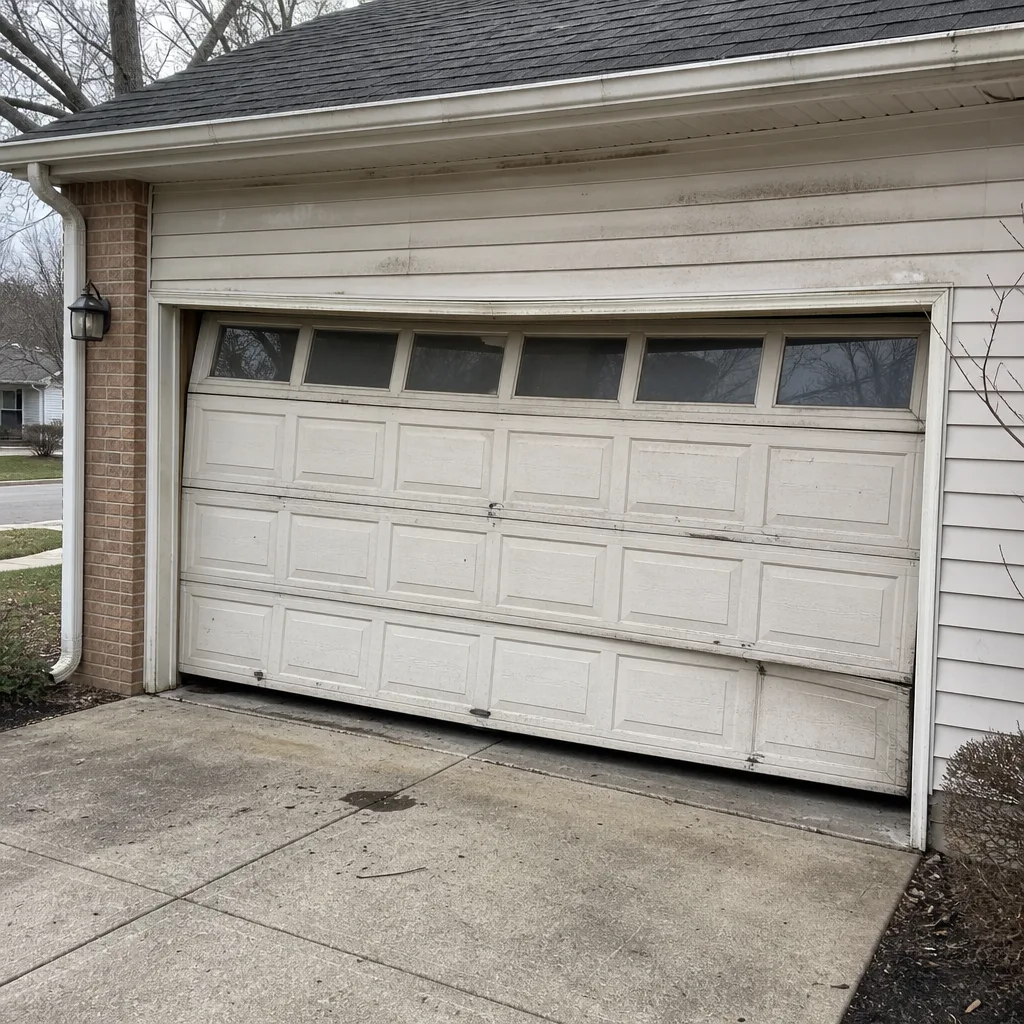 Before
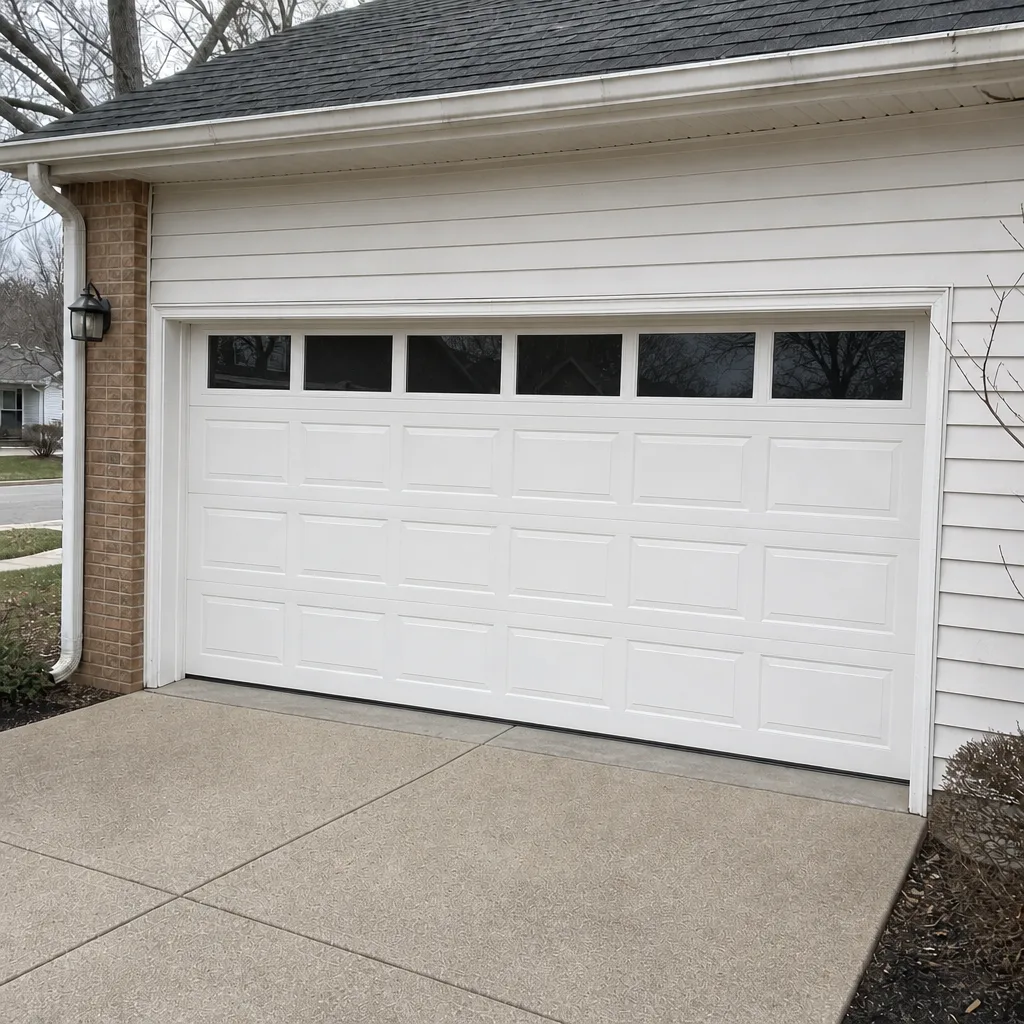 After
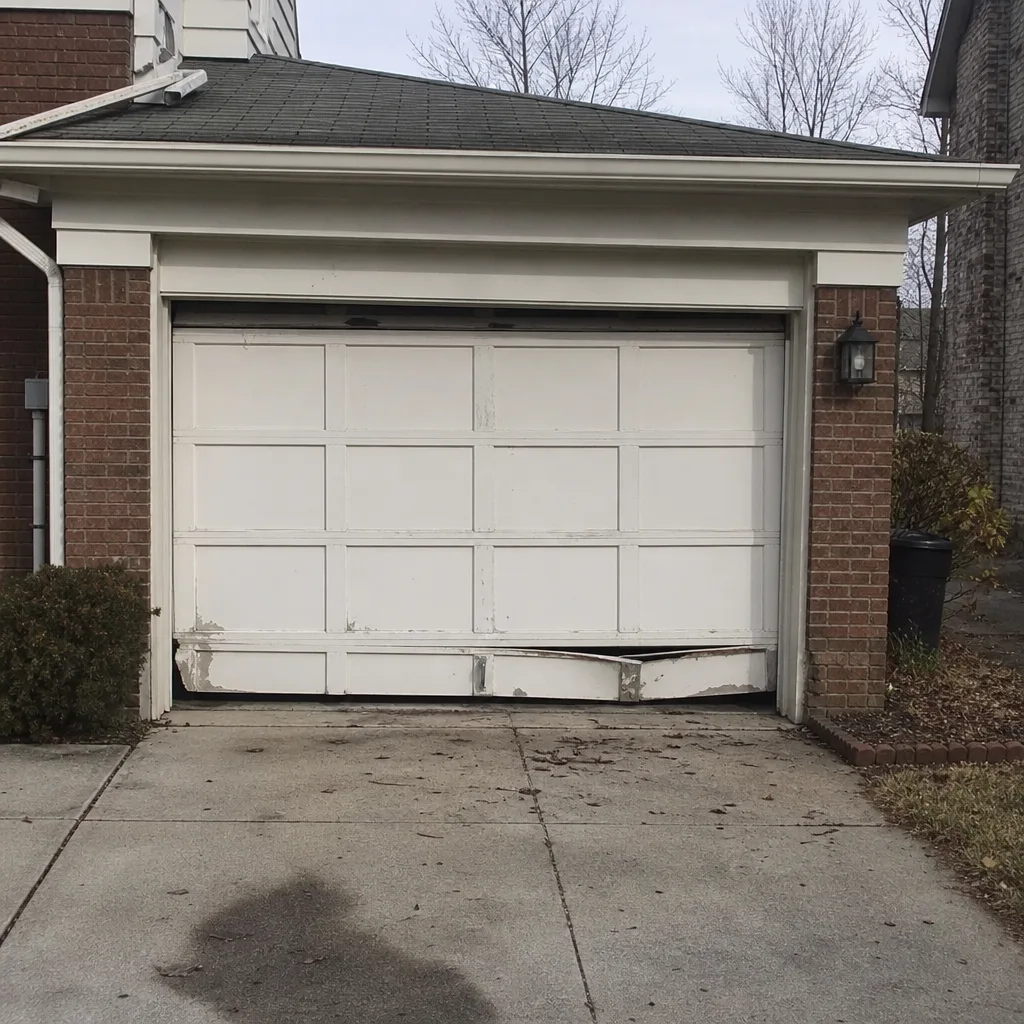 Before
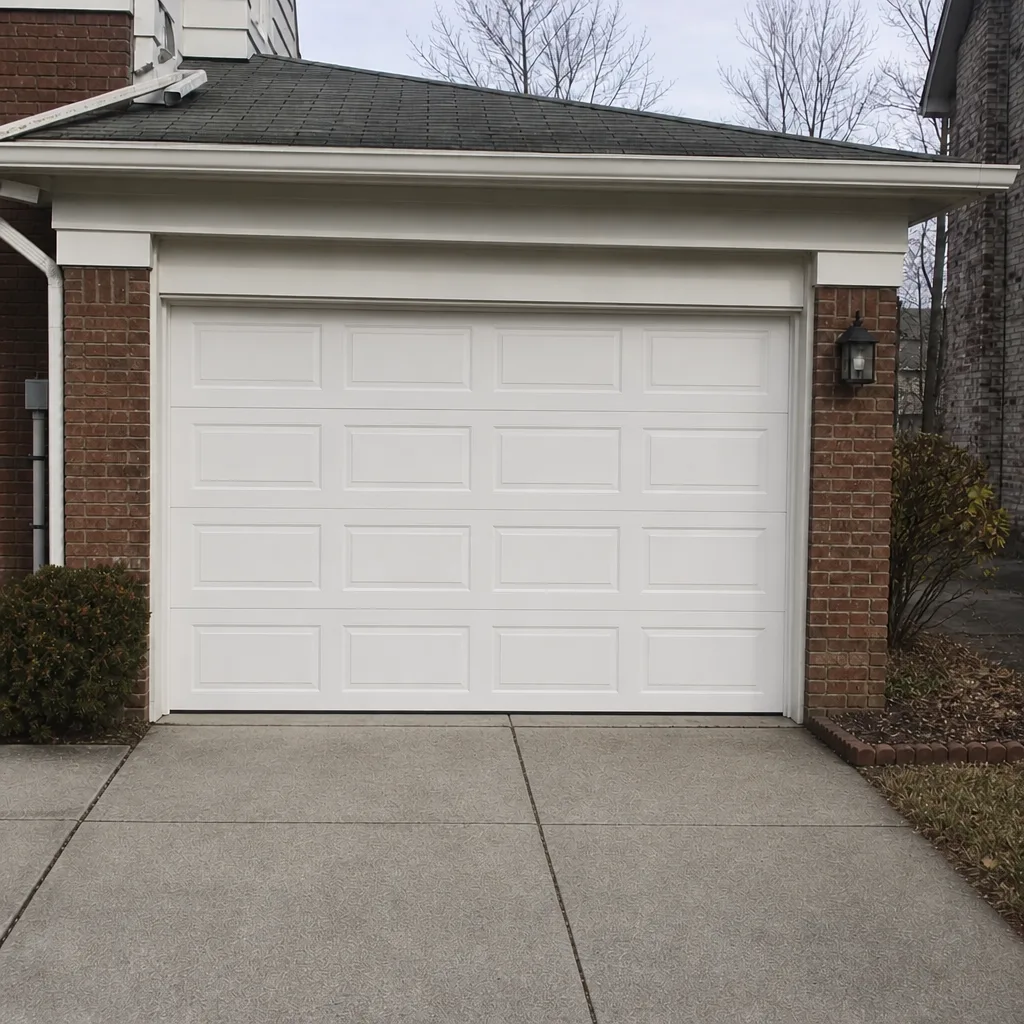 After
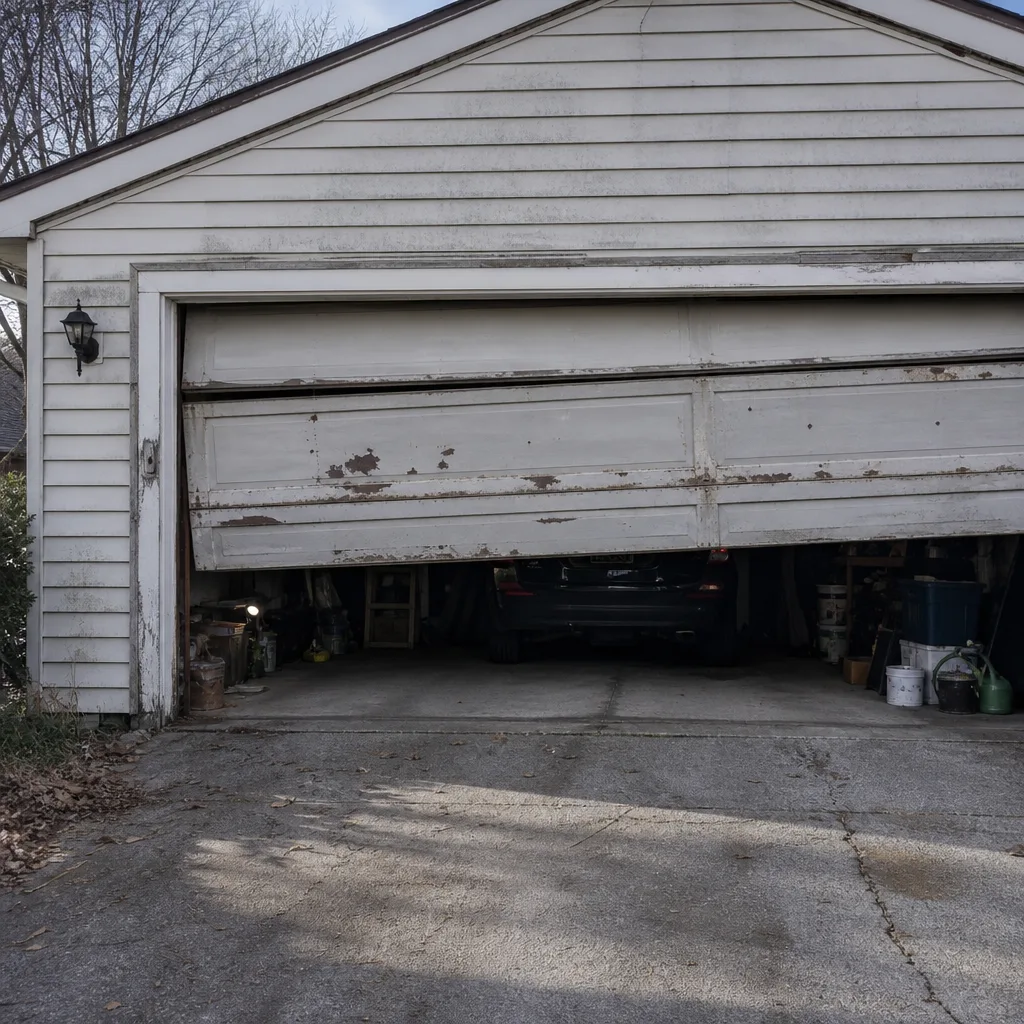 Before
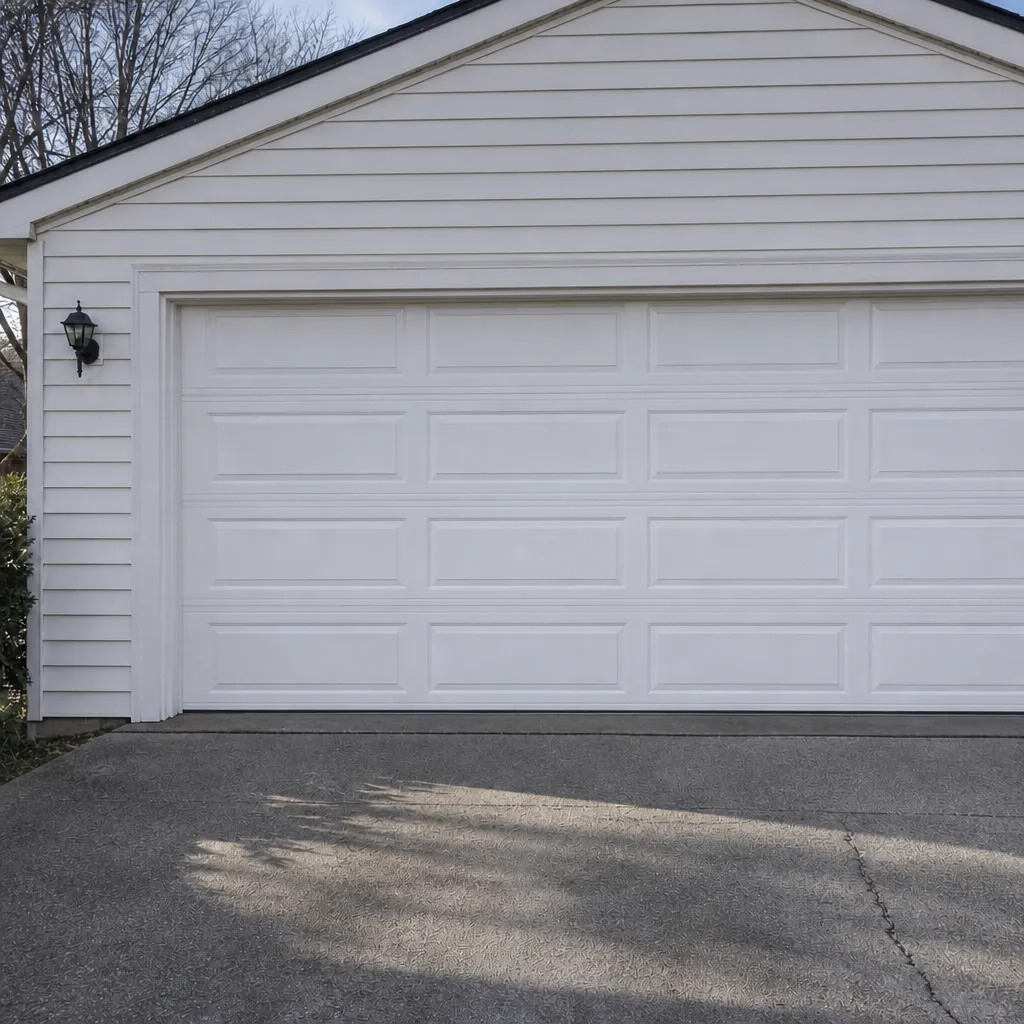 After
When to Call a Professional
Some tasks are genuinely DIY-friendly: wiping down tracks, lubricating hinges and rollers, checking the seal by hand, and watching for symptoms. Other tasks, especially anything involving torsion springs, cables, or opener adjustments, should always be handled by a trained technician. Torsion springs and cables are under dangerous tension and a mistake can cause serious injury.
Call a professional if you notice a broken spring, a cable that’s snapped or come off its drum, a door that won’t open or is stuck in one position, a loud bang followed by a door that won’t go up, visible track damage, or an opener that won’t respond to the remote but still has power. Also call if your door is on the older side and hasn’t been looked at by a technician in a few years; small issues on older doors add up quickly in Hilliard’s climate.
Hilliard Garage Door Repair Pros offers free estimates in Hilliard. Call (833) 918-9857. We answer 24/7. Fast dispatch from 7am to 7pm, Sunday through Friday.
Frequently Asked Questions
Once a year is the minimum for a garage door in Hilliard. The best time is early fall, before the first hard freeze. An annual check catches worn seals, weakening springs, and track issues before cold weather makes them harder and more expensive to fix. If your door is over 10 years old or you’ve noticed any unusual noises, twice a year (spring and fall) is a safer schedule.
January is when the accumulated wear from the fall shows up as a failure. Springs weaken gradually through the warmer months, seals lose flexibility in the freeze-thaw cycle, and hardware loosens from the door’s normal movement. Cold weather makes all of these worse at once. The single most important prevention step is the fall spring tension check and the seal replacement before the hard freeze. That prevents most of the January emergency calls we see.
The bottom seal is one of the more DIY-friendly garage door tasks. If your seal is simply cracking or worn, replacing it is a reasonable do-it-yourself job with the right replacement part and a little patience. Perimeter weatherstripping around the door frame is slightly harder but still manageable. What’s not DIY is anything involving the springs or the door’s balance. If the door isn’t closing evenly or you suspect the seal problem is actually a track issue, call a technician first.
Look for visible gaps in the spring coils, listen for a loud bang when the door operates, and test whether the door feels unusually heavy when you lift it by hand with the opener disconnected. Any of those are signs the spring is compromised. Don’t try to adjust the tension yourself; torsional springs are under extreme force. If you notice symptoms, call a technician for a safe inspection. This is one of the most common repairs we handle in Hilliard, and it’s one of the most dangerous to attempt at home.
Yes. Older wood doors common in Hilliard neighborhoods absorb summer humidity, swell, and press against the frame and tracks. This can cause binding, paint cracking, and track misalignment. Check the door’s alignment at the start of summer, touch up paint on any cracks, and watch for splits along panel seams. Keeping the finish intact is the best defense against humidity damage. If the door is binding or the tracks have shifted, that’s a call for a professional.
A tune-up is preventive: it’s a scheduled check of every part of the system, with lubrication and minor adjustments designed to keep things working. A repair fixes something already broken, like a snapped spring, a snapped cable, or a failed opener. Tune-ups are cheaper per year and prevent most repairs. In Hilliard’s climate, the fall tune-up is the one appointment that saves the most money in the long run.
The Bottom Line
A garage door in Hilliard lives through four seasons of stress every year, and it handles all of them better with a few well-timed tasks. Check the bottom seal and weatherstripping before the first freeze. Keep the tracks and hinges lubricated year-round. Watch wood doors for humidity swelling in summer. Do the fall spring tension check. Schedule an annual tune-up in early fall. None of these tasks is complicated, and none of them takes long. They just need to happen on the right schedule, which in central Ohio means paying attention to the seasons specifically. The technicians who work with Hilliard Garage Door Repair Pros have up to 11 years of experience, and the service calls that line up with these calendar tasks are the short ones. The calls that come from a skipped fall check are the long ones. If you’d rather have a professional handle the whole seasonal check, we can walk through it with you.
Call (833) 918-9857 for a free estimate. We answer 24/7. Fast dispatch from 7am to 7pm, Sunday through Friday.
Written by the team at Hilliard Garage Door Repair Pros.