
Last updated November 22, 2026
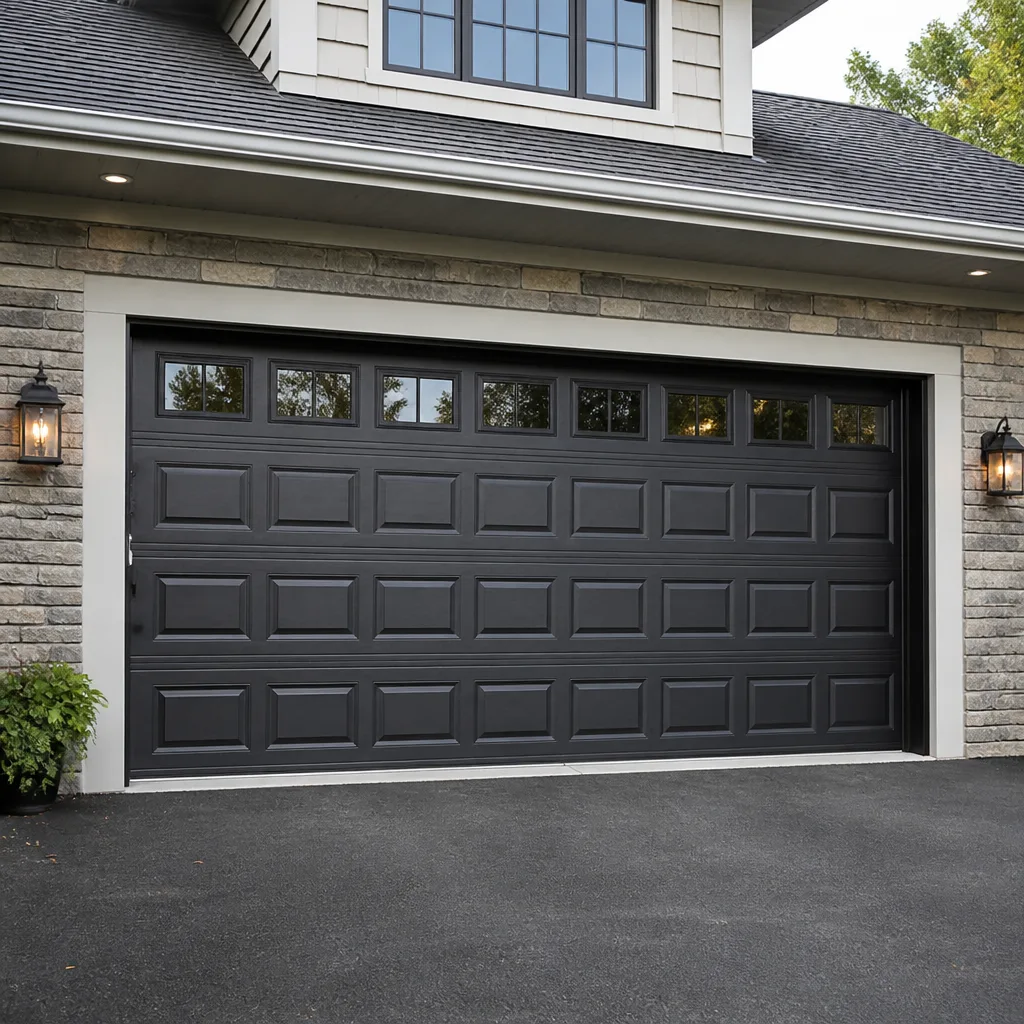 Raised-panel steel
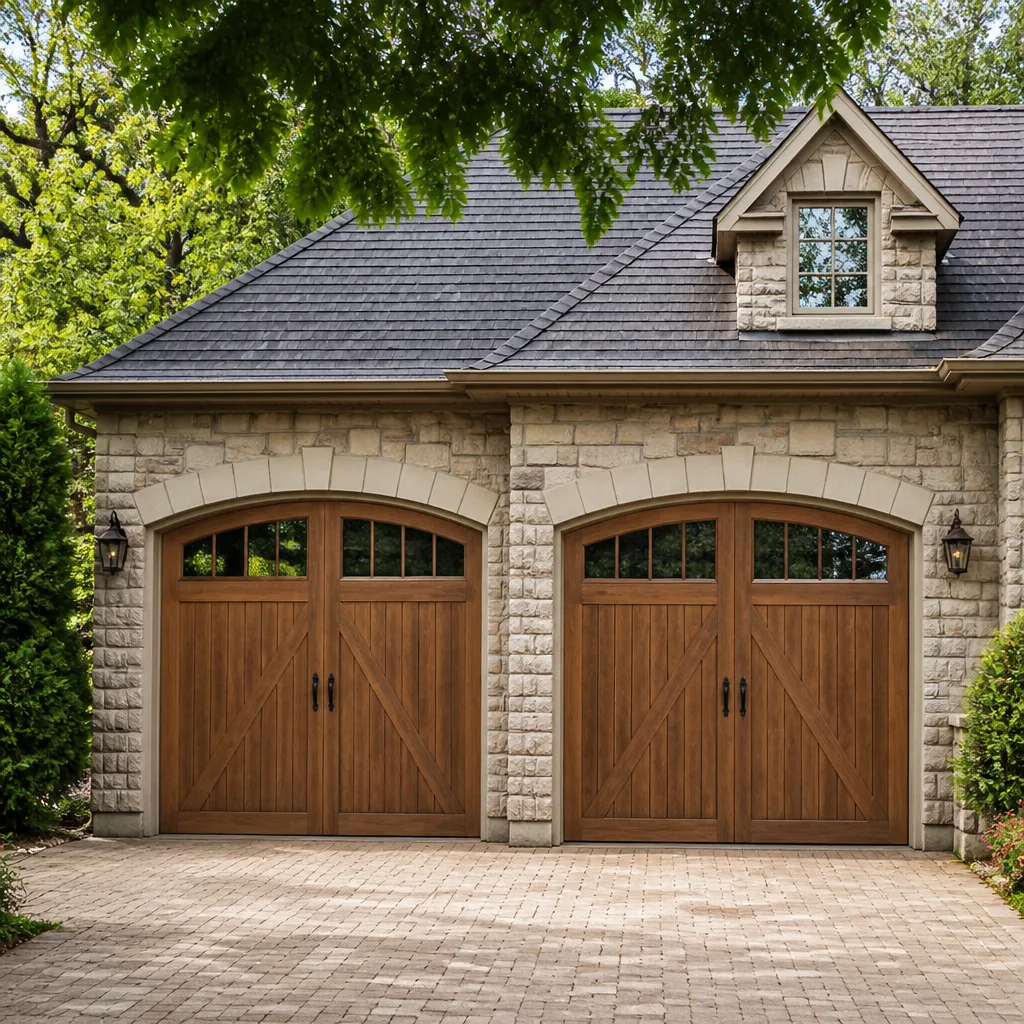 Carriage house
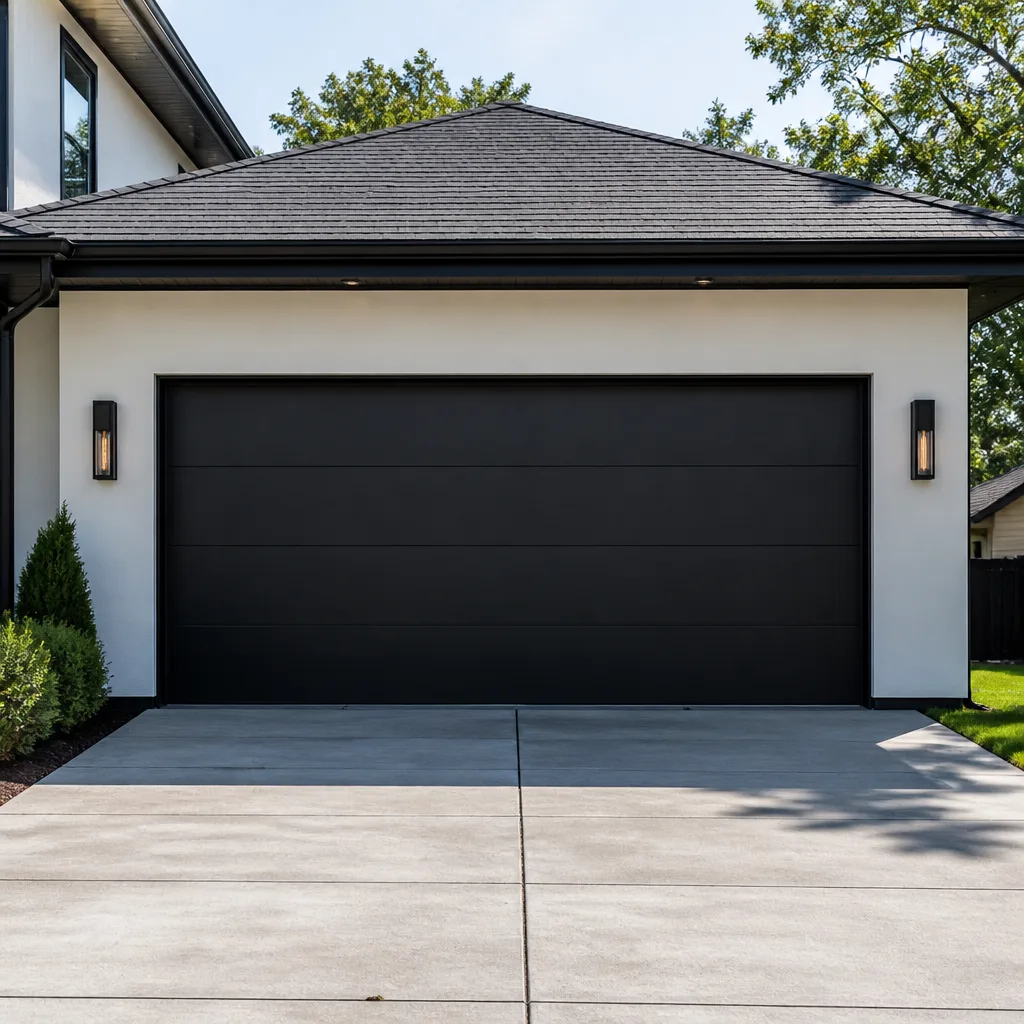 Modern flush
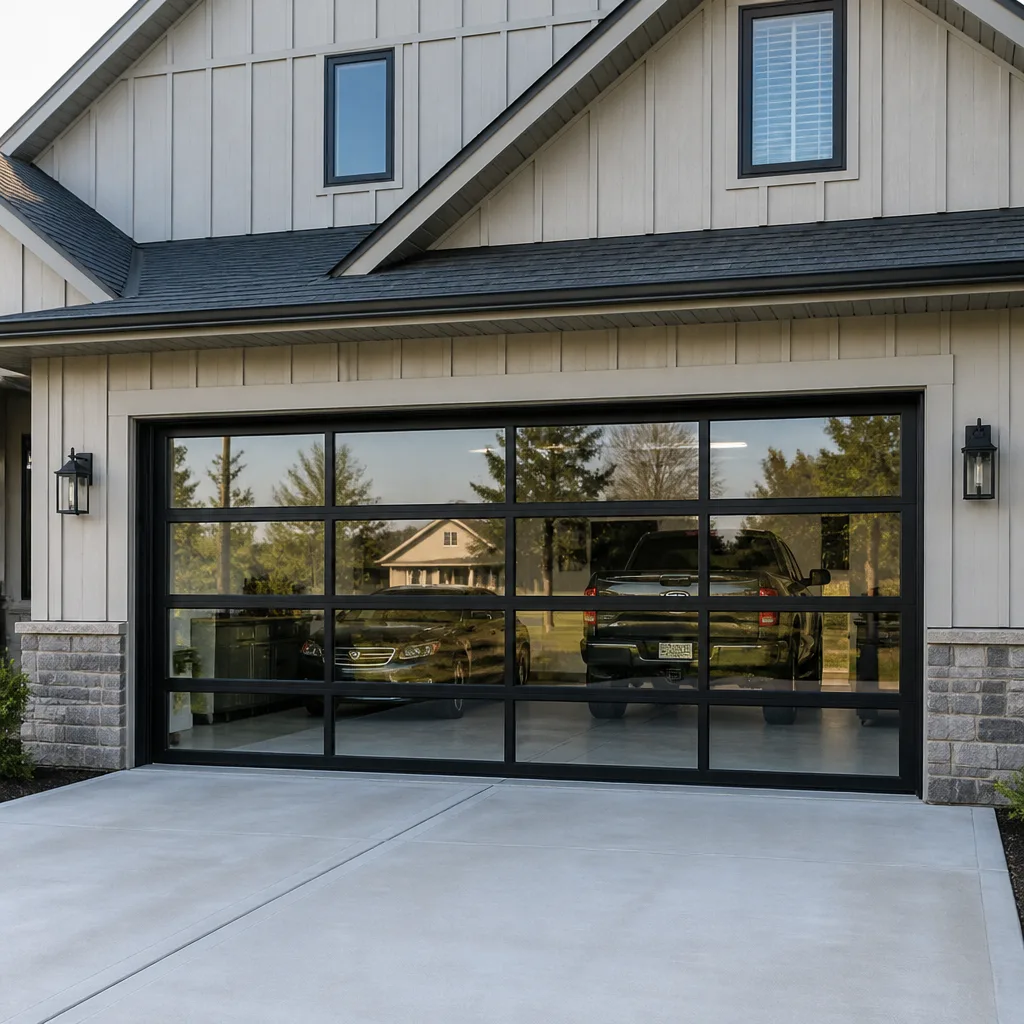 Full-view glass
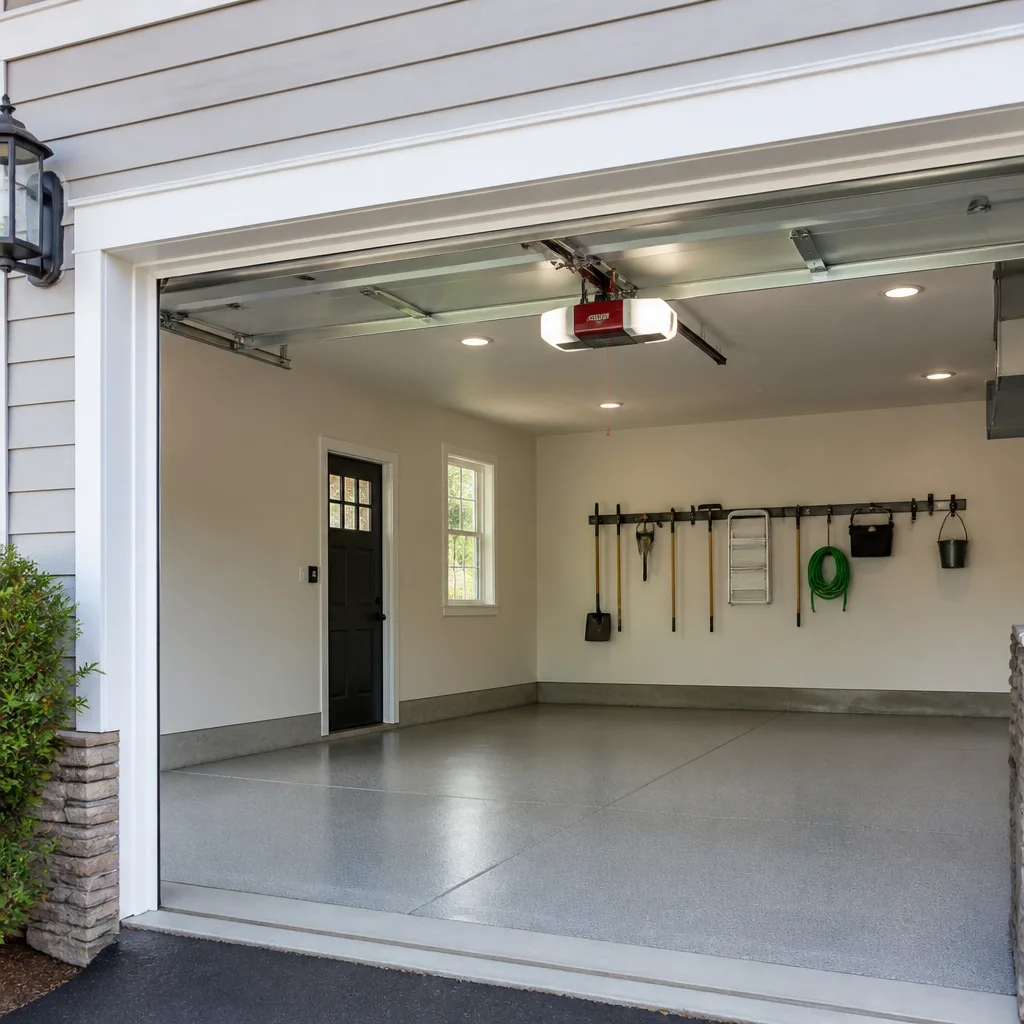 LiftMaster openers
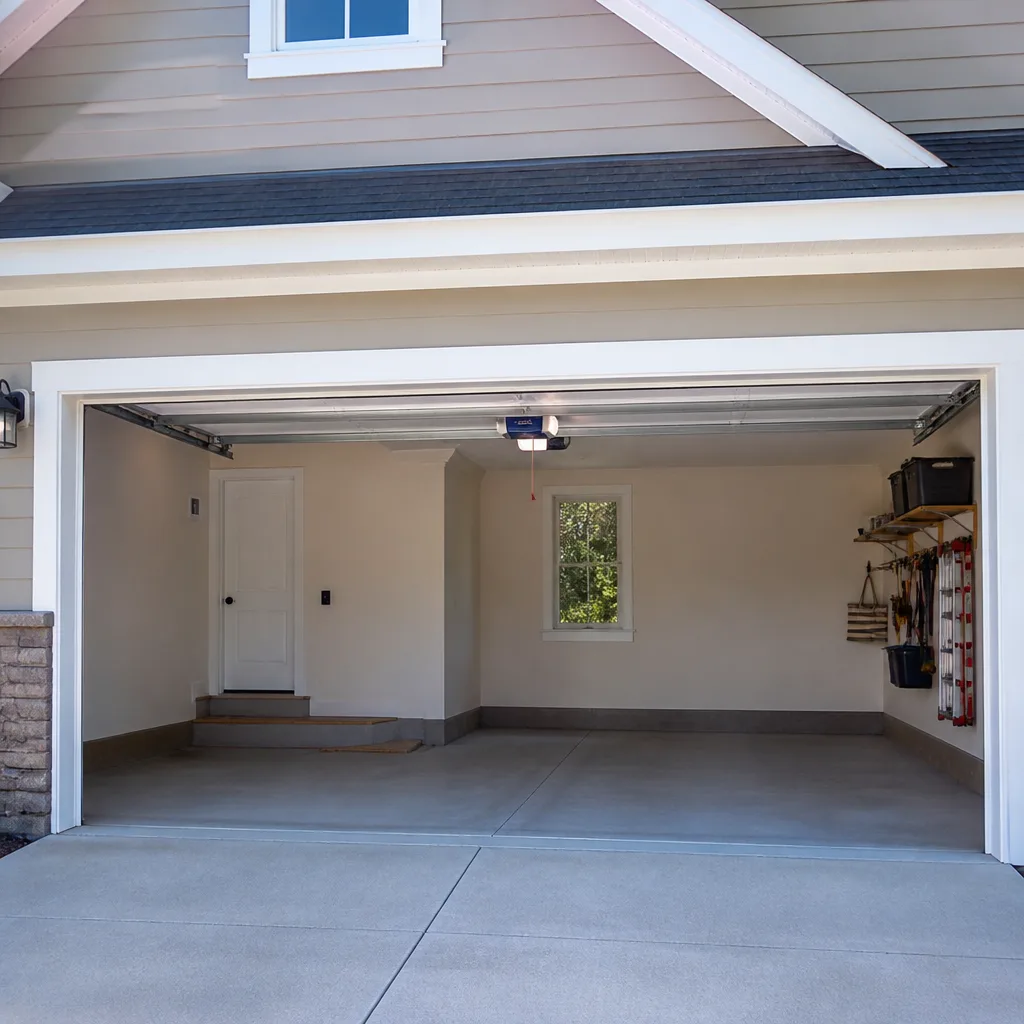 Chamberlain openers
Full 25-point door and opener safety check with every visit - springs, cables, rollers, tracks, and your LiftMaster or Chamberlain opener included
You get a price before we start. It does not change when the pro arrives.
Get your free estimateThe Complete Guide to Garage Doors in Hilliard
Most Hilliard homeowners only think about their garage door when it stops working. That’s the problem. A garage door is a mechanical system with springs that count cycles, cables that wear, and seals that degrade through every Ohio freeze and thaw – it just doesn’t announce any of that until something snaps. Meanwhile, that same door moves more times in a year than your front door, your furnace, and your refrigerator combined, and most of us couldn’t name a single part inside it. This guide changes that. We’ll walk through how each component ages, how Hilliard’s weather treats it, when repair makes sense versus replacement, and what the City of Hilliard expects before you swap a door. No scare tactics. Just the working knowledge that lets you plan instead of panic.
Quick Answer
A garage door in Hilliard is a spring-balanced mechanical system with a predictable lifespan – torsion springs typically last 10,000 to 15,000 cycles, an opener motor 10 to 15 years, and steel panels 15 to 20 years or more – and understanding those numbers is how you avoid emergency repairs. The freeze-thaw cycle along the Scioto River valley stresses springs, bottom seals, and weatherstripping harder than a mild climate does, so inspection each fall and spring prevents most failures. Repairs are usually worth it on a door under 15 years old with no structural damage; replacements make more sense when multiple major components fail at once.
Styles & brands we work with
- Raised-panel steel
- Carriage house
- Modern flush
- Full-view glass
- LiftMaster openers
- Chamberlain openers
Table of Contents
- What Makes Up a Garage Door System?
- How Hilliard’s Freeze-Thaw Cycle Affects Your Door
- The Mechanical Lifespan of Every Major Component
- Why the Garage Door Is the Largest Moving Part of Your Home
- Repair or Replace? A Decision Tree
- Permits and Code in the City of Hilliard
- Matching Your Existing Brand
- A Seasonal Maintenance Routine That Works Here
What Makes Up a Garage Door System?
A garage door isn’t one machine – it’s a group of parts that fail in different ways at different times. Understanding the mechanics makes every future decision easier, and it’s the difference between a homeowner who knows what’s wrong and one who’s guessing. Here’s what’s actually working every time you hit the button:
- Torsion or extension springs – the counterweight that makes a heavy door feel light. Torsion springs sit above the door on a shaft; extension springs run along the sides. They carry enormous stored energy and are the single most dangerous component to touch.
- Cables – braided steel that connects the springs to the bottom corners of the door, lifting under tension.
- Rollers and hinges – the moving joints along each panel; the rollers track inside the vertical and horizontal guides.
- Tracks – the rails the door rides on.
- The opener – the motor that starts and stops the door, paired with a rail, carriage, safety sensors, and a wall control.
- Weatherstripping and the bottom seal – the flexible barrier between door and frame, and between the bottom panel and the concrete.
Each part has its own duty cycle. Springs are measured in cycles. Openers are measured in years and motor hours. Seals are measured in winters. That’s why a door that “still works” can have three components already past their useful life – and why a five-minute inspection tells you more than a month of listening to squeaks. Our technicians have up to 11 years of experience reading exactly that wear. When a single part fails and the rest is sound, garage door repair restores the whole system faster than swapping the door.
How Hilliard’s Freeze-Thaw Cycle Affects Your Door
Hilliard sits in central Ohio, where winter brings repeated freezing nights and thawing days rather than one long deep freeze. That cycle – water seeping into a joint, freezing, expanding, thawing, and refreezing – is what does the real damage. It’s more wearing than steady cold, because the movement never fully stops.
Here’s where it hits hardest:
- Torsion springs. Steel doesn’t love rapid temperature swings. Repeated contraction and expansion adds microscopic stress to springs already cycling thousands of times a year, and cold metal is less forgiving. Most Hilliard spring failures happen in the first cold snap of the season or the first warm stretch after it.
- Bottom seals. The seal that presses against the garage floor takes on meltwater and road grime, freezes each night, and slowly cracks. A split seal lets in cold air, mice, and water. That’s a small fix that turns into a bigger one if it’s ignored through a whole winter.
- Weatherstripping around the frame. The stop molding and side seals dry and pull away, and once they lose contact the door no longer seals against drafts or rain.
- Metal hardware. Hinges, rollers, and track bolts loosen as the panels move in and out with the temperature. A door that rattled less in the fall often rattles more by February.
The practical takeaway is simple: fall is the time to check the seal and spring condition, and spring is the time to check for damage the winter left behind. Homes around Old Hilliard and the neighborhoods off Main Street get the same freeze-thaw treatment regardless of door style. Ignore it and you’re replacing parts at the worst possible moment – usually a cold morning when the car is full of groceries. A trained eye can spot a tired spring before it breaks. That’s the subject of garage door spring repair, and it’s worth reading before you ever need it.
The Mechanical Lifespan of Every Major Component
Garage door parts don’t fail at random. Every one of them has a typical lifespan, and knowing the numbers turns a surprise into a forecast. These are general ranges – the exact figure depends on use, but a two-car household in Hilliard running the door several times a day will land somewhere in these windows:
| Component | Typical Lifespan | What Ends Its Life |
|---|---|---|
| Torsion springs | 10,000-15,000 cycles (roughly 7-10 years typical use) | Cycle count plus freeze-thaw stress |
| Extension springs | 7,000-10,000 cycles | Cycle count and rust |
| Opener motor | 10-15 years | Motor hours and electronics age |
| Lifting cables | 10-15 years | Fraying and corrosion under tension |
| Rollers | 5-10 years (steel); 10-15 (nylon) | Worn bearings, flat spots |
| Bottom seal and weatherstripping | 3-5 years in this climate | Freeze-thaw cracking |
| Steel door panels | 15-20+ years | Dents, rust, structural wear |
Notice how the numbers interact. A door is roughly 10 years old: the springs are near the end of their cycle life, the opener is mid-life, and the seals may already have been replaced. That’s a normal, healthy sequence. The expensive scenario is when three of these hit at once on a door you were already thinking about replacing – which is exactly the decision we’ll walk through below. For the electronics side, garage door opener repair covers the motor, board, and sensor side of the system.
Why the Garage Door Is the Largest Moving Part of Your Home
Think about the scale. A standard two-car garage door weighs well over a hundred pounds, spans a dozen feet or more, and travels up and down thousands of times a year. No other moving element in a house carries that much weight through that many cycles. That fact drives two things most homeowners underestimate: security and energy loss.
Security
A garage door left open, or stuck partway, leaves the entire garage – and often a door into the house – exposed. A strained spring or a slipping opener that doesn’t seat the door fully shut is a genuine weak point, not a minor annoyance. Ohio winter keeps people inside and garage doors closed, but a door that fails to close properly is a problem that doesn’t care what the calendar says. If your door sticks open, call for emergency service rather than leaving it that way overnight.
Energy
The largest moving part of your home is also a large flat surface facing the cold. In a central Ohio winter, air leaking past a worn bottom seal or cracked weatherstripping is like leaving a window cracked open all season. An insulated steel door helps, but only if the seals around it are sound. That’s why the $40 bottom seal matters as much as the door itself – the barrier is where the heat escapes. A door with good insulation and bad seals stops working like an insulated door. When we inspect a Hilliard home, the seal condition is often the first thing we check.
Repair or Replace? A Decision Tree
This is the question that saves homeowners the most money, and the answer isn’t complicated once you break it down. Work through it in order:
- Is the door structurally sound? Push on the panels. Rust-through at the bottom, sagging or cracked panels, or bent track tells you the door itself is failing.
- Are you on original springs? If yes and the door is over 8 years old, plan for a spring replacement regardless of other findings.
- How many major components have failed in the past two years? If it’s one, repair. If it’s two or more – spring plus opener plus track damage, for example – add up the repair quotes against a new installation.
- Is the door over 15 years old? At that age, panel rust and opener electronics are both near the end, and a replacement usually wins on long-term cost.
- Are you changing the door style or size? That’s a replacement, not a repair. Different panels or dimensions mean new hardware, springs, and often a new opener.
- Is the failure isolated and the rest healthy? Repair. A snapped spring on a 6-year-old door with good panels is a one-component fix, and a matched pair of springs runs about twice the price of one – because a pair gets replaced together.
The rule we’d give a neighbor: repair a single failing part on a young door, and replace when the cost of repairs climbs toward a meaningful share of a new door on an old one. A full new installation is a separate job from a same-day repair, and a good replacement decision starts with a free measure and a written quote, not a guess over the phone. Once you’ve decided to replace, the work is measured, ordered, and scheduled – it’s not a same-day job.
Permits and Code in the City of Hilliard
Hilliard requires a permit for most garage door replacement work, and specifically for structural or size changes, though simple repairs to existing components usually don’t need one. That’s the short version. The specifics depend on what you’re doing and where the door is on the property, so verify with the City of Hilliard building department before the project starts – a quick call settles it.
The practical distinction:
- Repairs – replacing a spring, opener, cable, roller, or seal in kind – generally don’t require a permit.
- Replacement of the door itself, especially when the opening size, header, or structure changes, generally does. A like-for-like replacement of the same size may fall under lighter review, but confirm it.
- Adding a new opening or changing the structure always needs permits and inspection.
Why does this matter to you even if you hire out the work? Because a contractor who doesn’t pull the required permit leaves you holding the problem – inspections, potential rework, and a record that the work was done outside the process. Ask before you sign. The City of Hilliard’s building department is the authority, not us, so get the answer in writing from the city for your specific project. We can walk you through what’s typically required, but the permit is between you and the city.
Matching Your Existing Brand
Every garage door system on a Hilliard street came from some manufacturer, and that manufacturer’s parts and quirks matter. A generalist handyman who’s never touched a Raynor opener or a Clopay panel is going to guess. A specialist knows the equipment. We work on your brand, not just one factory’s equipment, which matters when your system is a mix of styles.
Getting the pairing right saves money in three ways:
- A new opener only needs replacing the opener, not the door, when the door itself is sound.
- A compatible brand keeps remotes, keypads, and smart-home controls working – important if your home already runs on a LiftMaster or Chamberlain system.
- Knowing the exact door model means the right spring size and seal geometry the first time.
We service the major residential brands – LiftMaster, Chamberlain, Genie, Clopay, Amarr, Wayne Dalton, Craftsman, and Raynor among them – along with legacy systems and the newer smart-home-connected openers built on the Chamberlain/LiftMaster platform. So if your 25-year-old Craftsman opener finally quits and you want something that talks to your phone, we can bridge that gap. If you’re not sure what you have, the model tag on the opener or on the door frame usually tells us at a glance. That fluency is why we don’t need a second call just to identify the equipment.
A Seasonal Maintenance Routine That Works Here
Garage doors in central Ohio are best treated on a twice-a-year rhythm, timed to the climate. Here’s the routine we’d hand any homeowner in Hilliard:
- Early fall – before the freeze. Test the bottom seal by running a hand along it for gaps. Lube hinges, rollers, and the track (not the springs) with a garage-door lubricant. Listen for the door during a full open-close cycle.
- First hard freeze. Clear any snow or ice from the base of the door and the track. Never force a frozen door – a spring under load doesn’t need the help.
- Late winter thaw. Check the track for water damage and the seal for cracking from the freeze-thaw. Look for rust at the bottom panel.
- Spring – after the last freeze. Full cycle check: balance, alignment, and opener response. Test the safety sensors by walking in the door’s path.
- Before any long trip or season change. Confirm the door seats fully closed and the opener auto-reverses.
The single most useful habit is a monthly visual scan of the springs and cables – look for a visible gap in a torsion spring, a stretched or frayed cable, or a dog-leg gap between the coils. But do it with your eyes, not your hands. Springs and cables are under extreme tension and can cause serious injury if touched or adjusted wrong. A trained technician with proper tools handles them safely. Everything on the list except the spring and cable work is harmless to inspect – don’t try to adjust one yourself.
Common Mistakes to Avoid
- Ignoring a seal that’s cracked. A worn bottom seal is the cheapest fix on this whole list, and left through an Ohio winter it lets water and cold air into a garage you thought was sealed. Replace it early.
- Greasing the springs. Springs don’t need lubrication, and adding it attracts grit into the coils. Lube the hinges, rollers, and track instead.
- Replacing only one of a matched pair of springs. A pair is balanced to share the load. A single replacement spring carries more strain and usually fails sooner than the original would have – a matched pair is the normal way to do it.
- “Testing” a spring or cable by hand. Never try to test the spring tension or cable wear yourself. The stored energy in a torsion spring can cause serious injury, and the right tool is not a human hand.
- Skipping the permit on a replacement. Planning a new door without checking with the City of Hilliard building department is a mistake that surfaces at inspection time, not at sale time.
- Buying a new opener when the door is the problem. A sluggish, heavy-feeling door often needs new springs or rollers, not a new motor. Diagnose before you buy.
- Waiting until the car is trapped to think about maintenance. A plan (the fall and spring checks above) costs nothing. Emergency replacements cost more and happen at inconvenient times.
See the difference
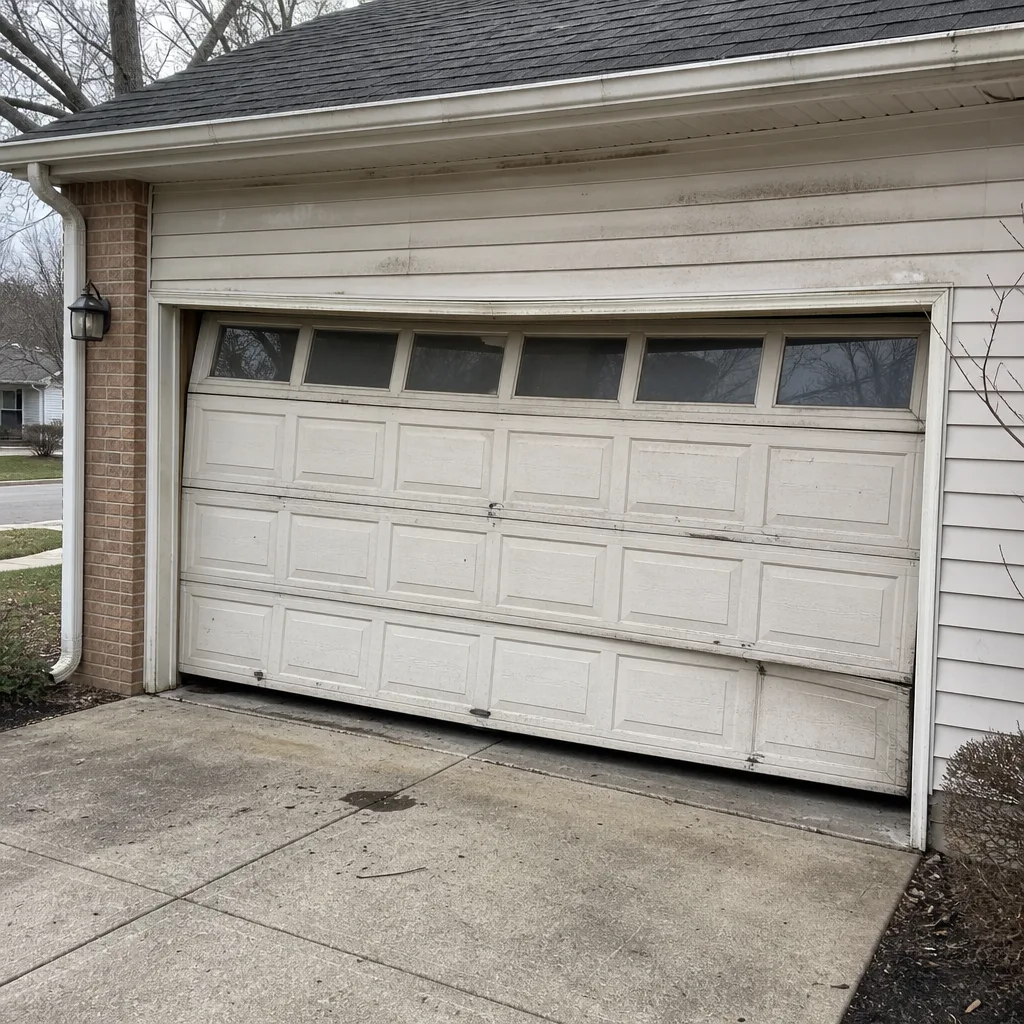 Before
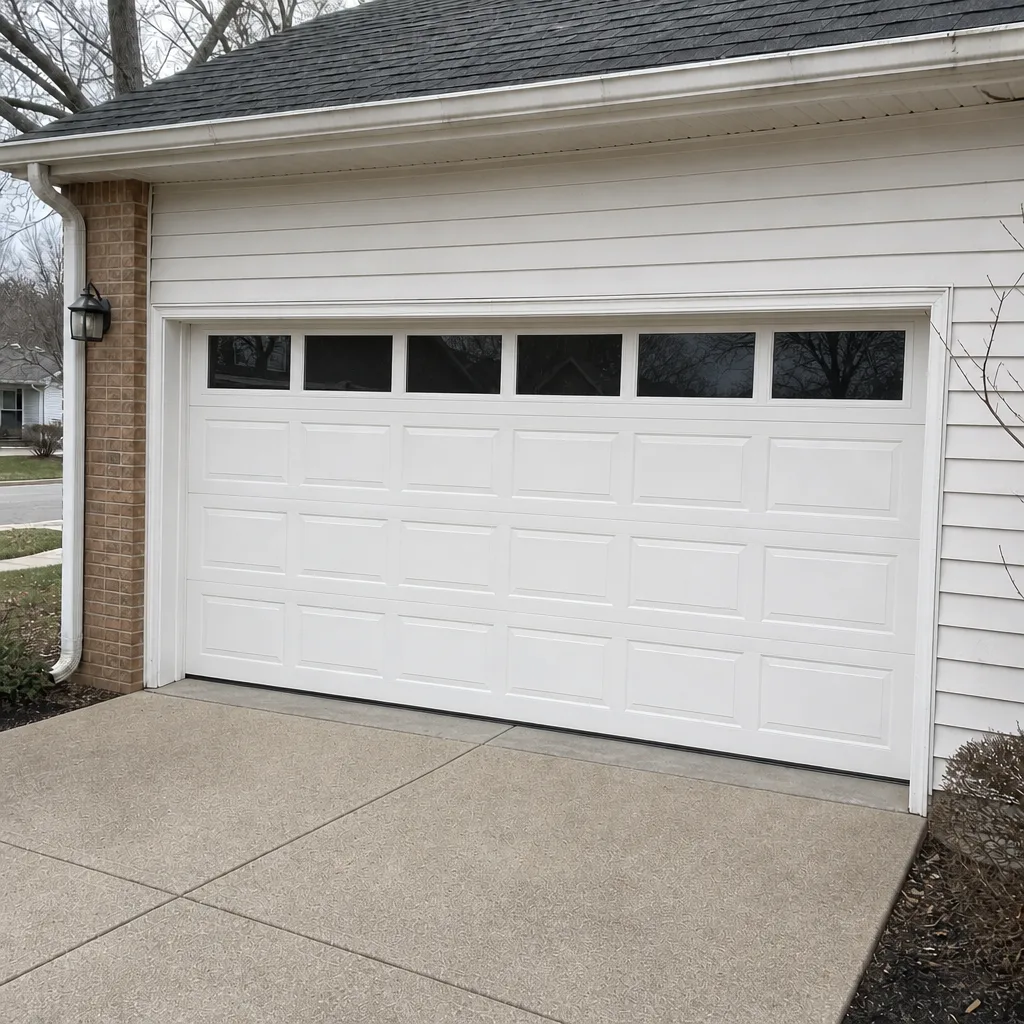 After
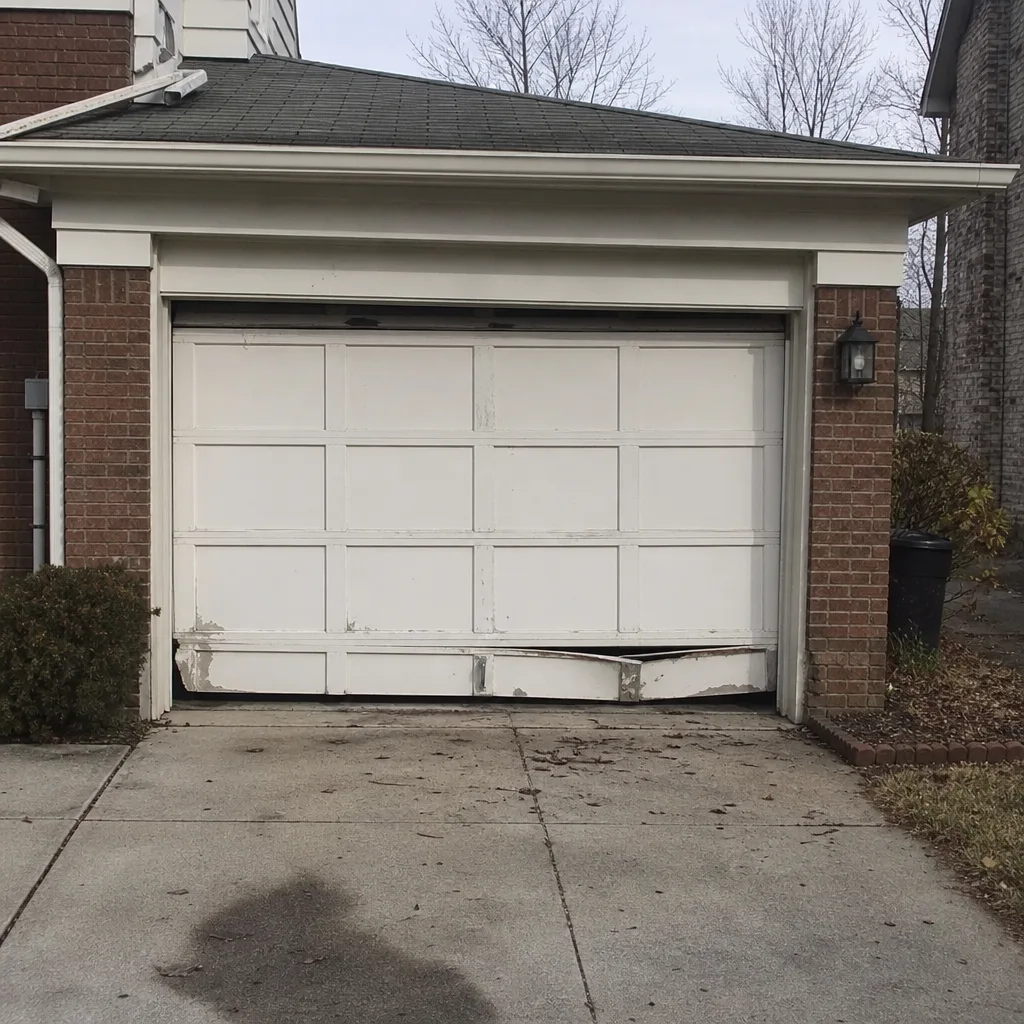 Before
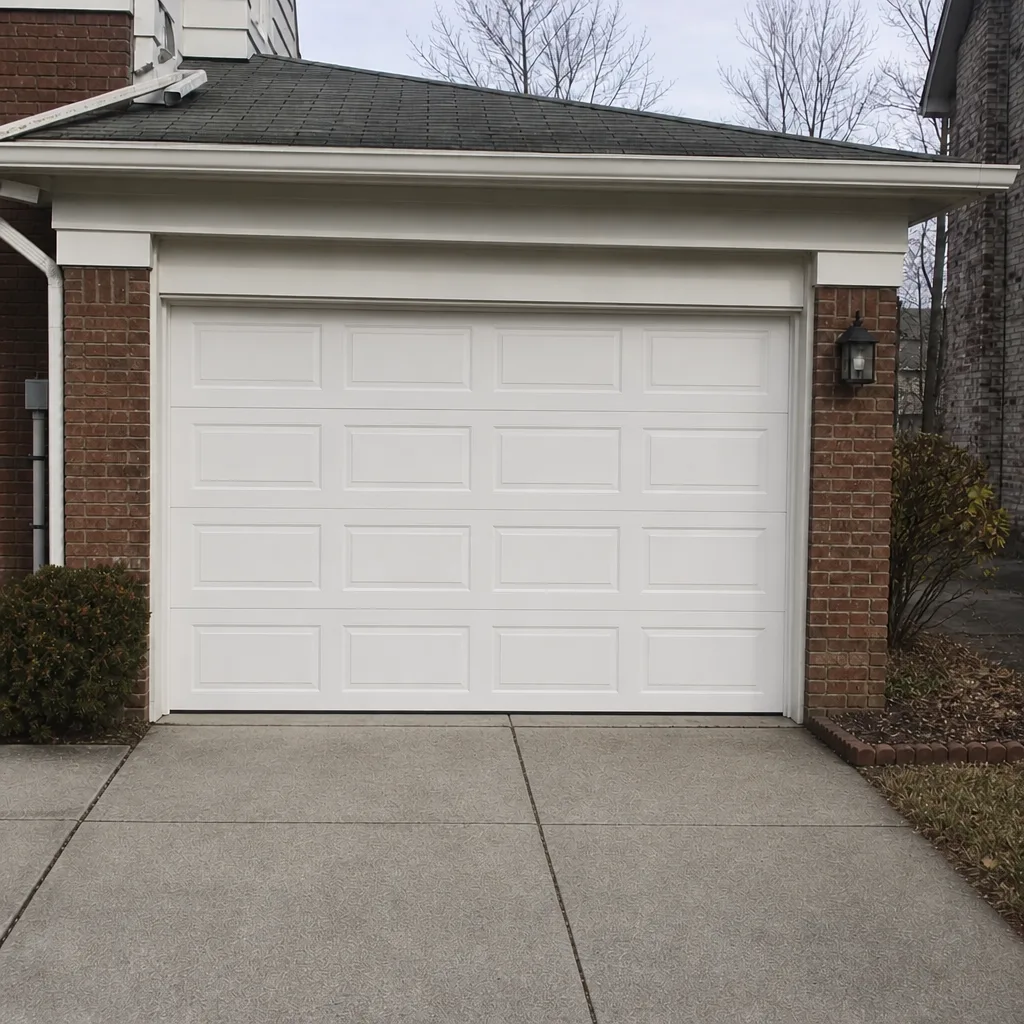 After
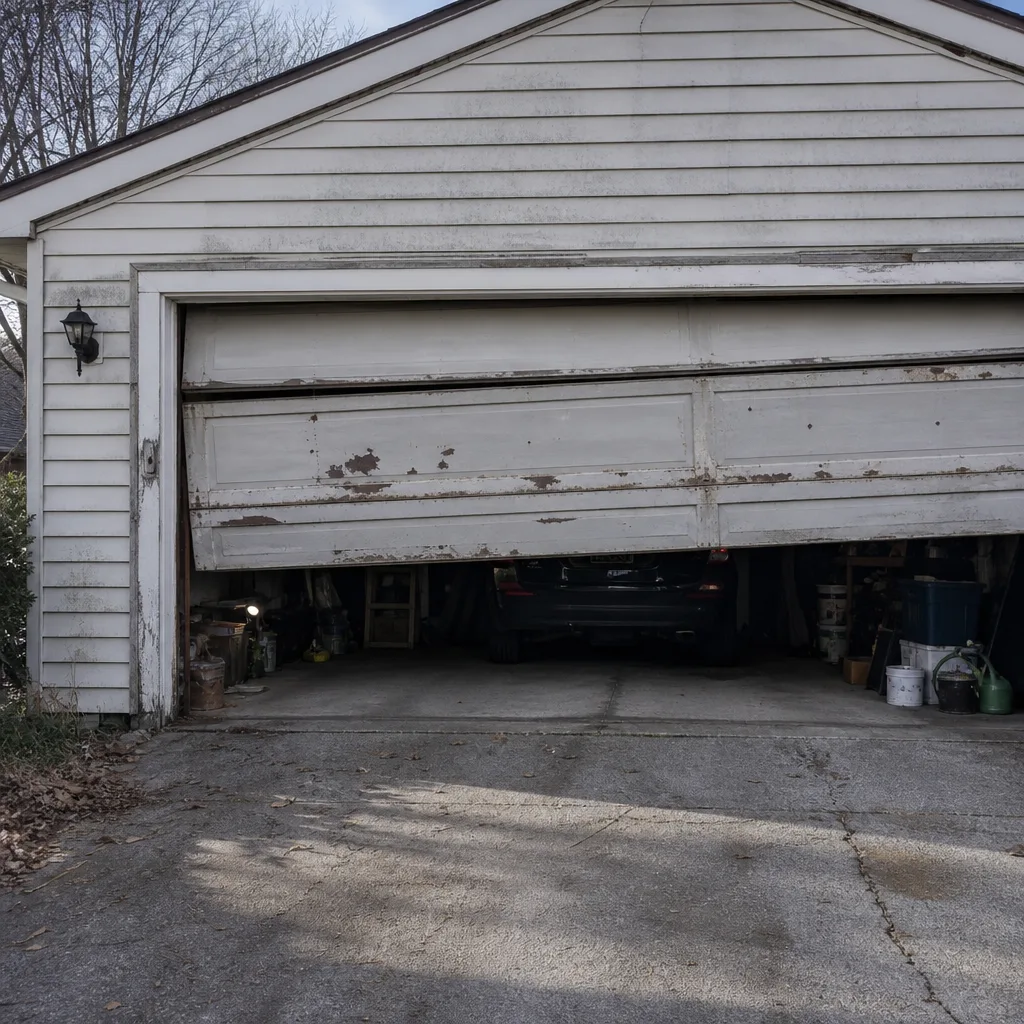 Before
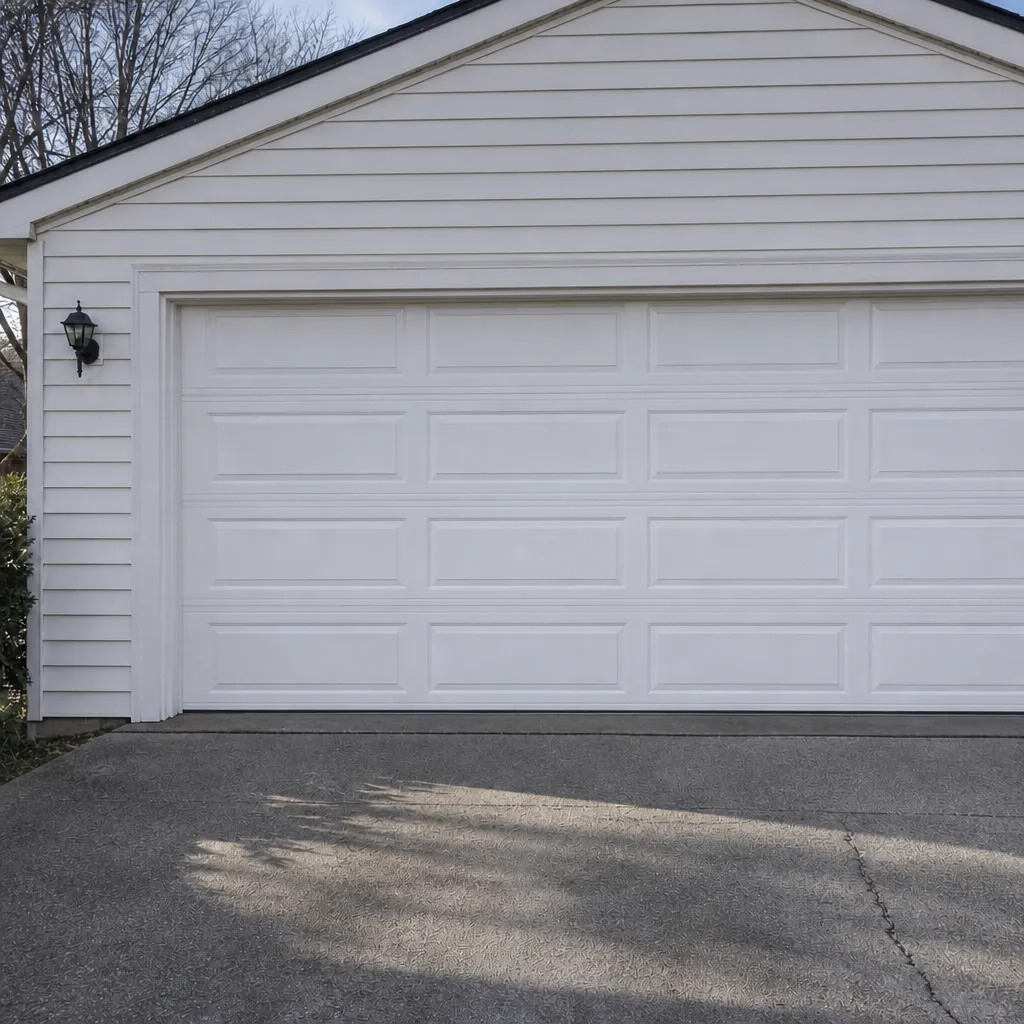 After
When to Call a Professional
Some of this you can do yourself – the inspections, the seal checks, the routine lubrication. The line is drawn at anything under tension or anything electrical. Call a professional if a spring has snapped or is clearly cracked, if a cable is frayed or loose, if the door is stuck open, hanging crooked, or won’t move, if the opener hums without moving the door, or if you’re planning a full replacement and need it measured and priced. The garage door spring is one of the most dangerous repairs a homeowner can attempt, and the opener and its wiring carry their own risks – both are jobs for trained hands. If your door is stuck or your home is unsecured, we offer emergency service for exactly that. Hilliard Garage Door Repair Pros offers free estimates in Hilliard – call (833) 918-9857. We answer 24/7. Fast dispatch from 7am to 7pm, Sunday through Friday. Every price is quoted and agreed before any work starts.
Frequently Asked Questions
Torsion springs typically last 10,000 to 15,000 cycles, which is roughly 7 to 10 years for typical use in a two-car household. Hilliard’s freeze-thaw winters add stress at the first cold snap, so if your springs are original on a door over 8 years old, plan for replacement before they fail. Call (833) 918-9857 for a free estimate.
Most garage door replacement work in the City of Hilliard requires a permit, while simple repairs usually don’t. The exact requirement depends on whether the door size or structure changes, so confirm it with the City of Hilliard building department before the job starts.
Repairs are quoted per job by a written estimate after we see the door, and the price is agreed before any work starts. A spring replacement on one spring and a matched pair at roughly twice that, plus the opener or seal work, are the most common line items – the free estimate will show the exact figure for your door. Call (833) 918-9857 for yours.
No. The written estimate is the price. We quote and agree the figure before any work begins, and that agreed estimate sets the final invoice – not a surprise later.
We offer same-day and emergency service for a stuck door or an unsecured home. We answer 24/7, and fast dispatch runs from 7am to 7pm, Sunday through Friday. A call on Saturday is booked into the next opening. Call (833) 918-9857.
We service the major residential brands, including LiftMaster, Chamberlain, Genie, and Craftsman, along with legacy systems and the newest smart-home-connected openers. If you’re not sure what’s on your ceiling, the model label tells us, and we’ll work on your brand rather than asking you to replace the whole system.
The Bottom Line
A garage door in Hilliard is a mechanical system that ages on a schedule. The springs count cycles, the seals count winters, and the opener counts years. Learn those numbers and you’ll know when to inspect, when to repair, and when a door has earned a replacement – and you’ll never again be surprised by a snapped spring on a cold morning. The rest is simple: check in fall and spring, leave the springs and cables to a trained technician, confirm any permit with the City of Hilliard, and get the price in writing before work begins. If you’ve got questions about your door, we’re a phone call away. Our technicians have up to 11 years of experience, we handle everything from a single spring to a full new installation, and our estimates are free.
Call (833) 918-9857 for a free estimate. We answer 24/7. Fast dispatch from 7am to 7pm, Sunday through Friday. You can also start with Hilliard Garage Door Repair Pros to see the full range of what we handle.
Written by the team at Hilliard Garage Door Repair Pros.