
Last updated November 22, 2026
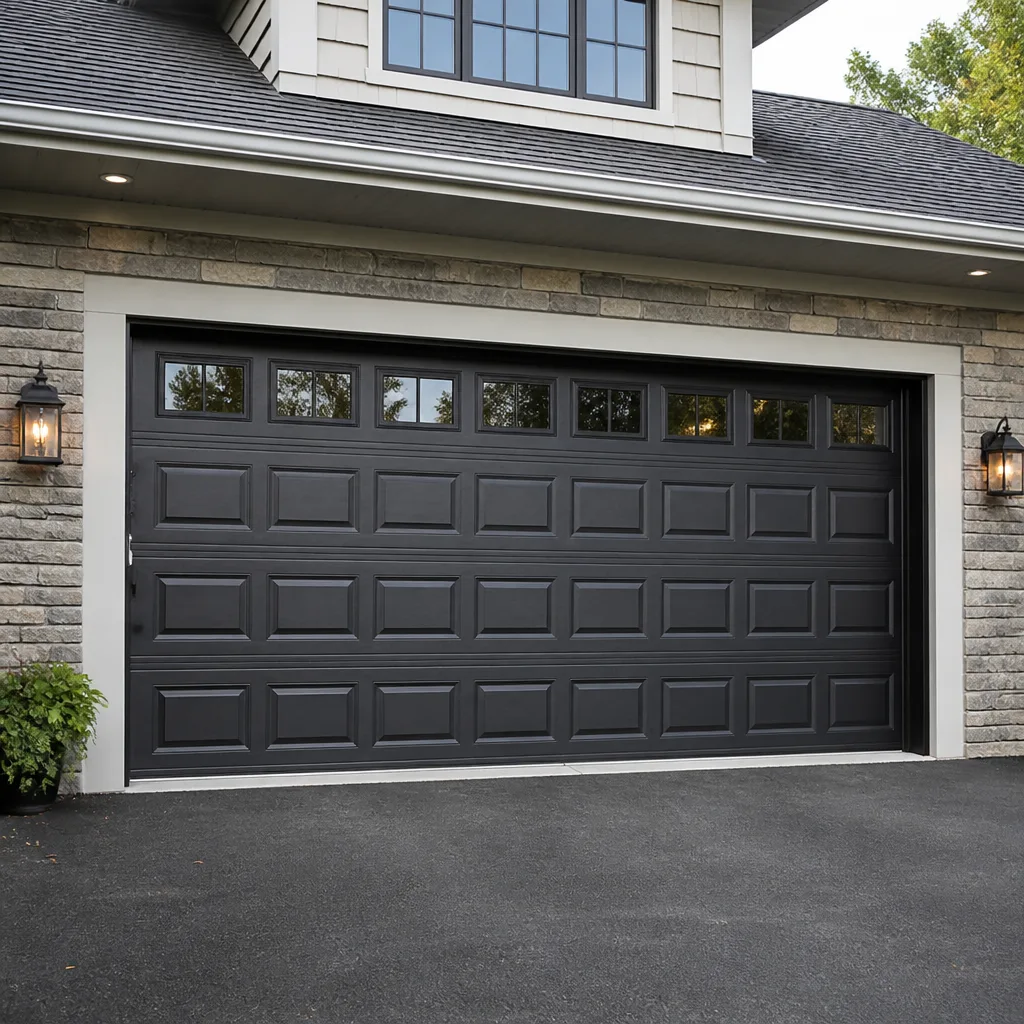 Raised-panel steel
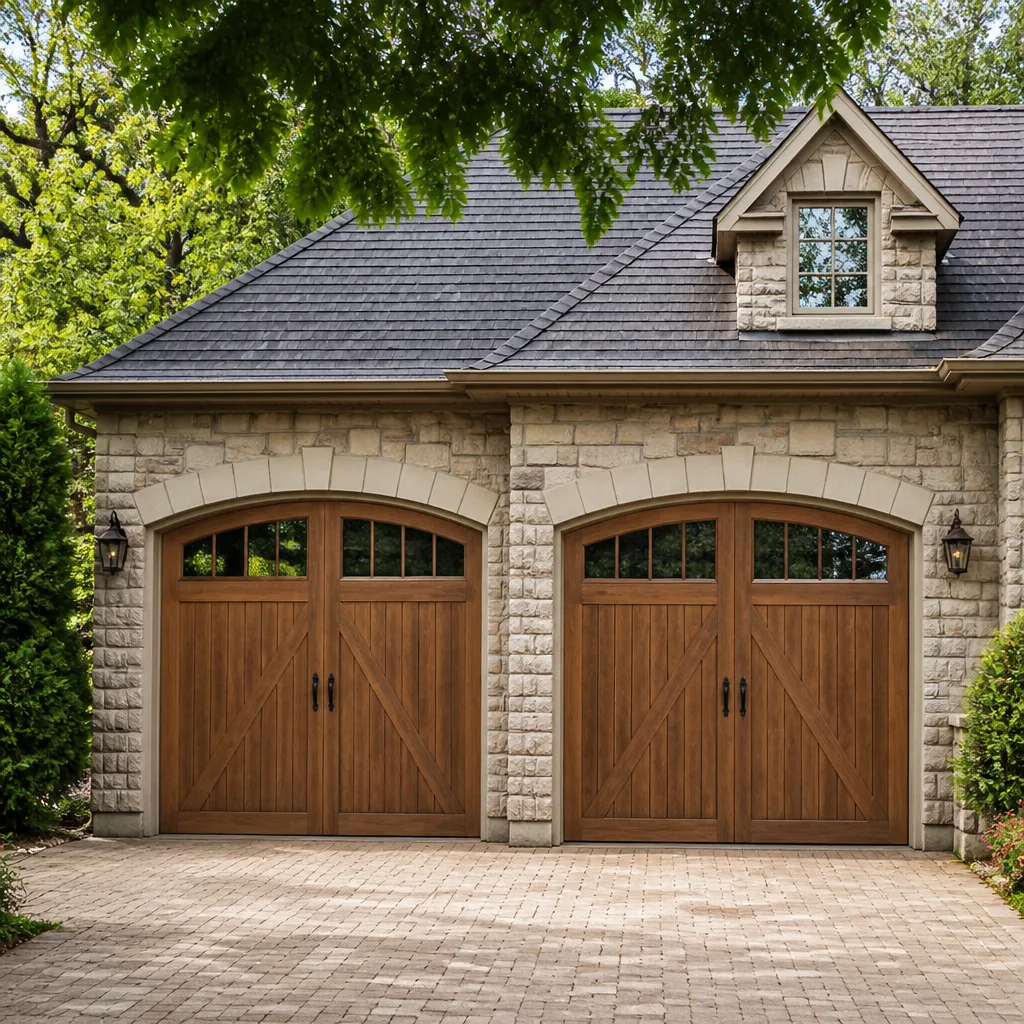 Carriage house
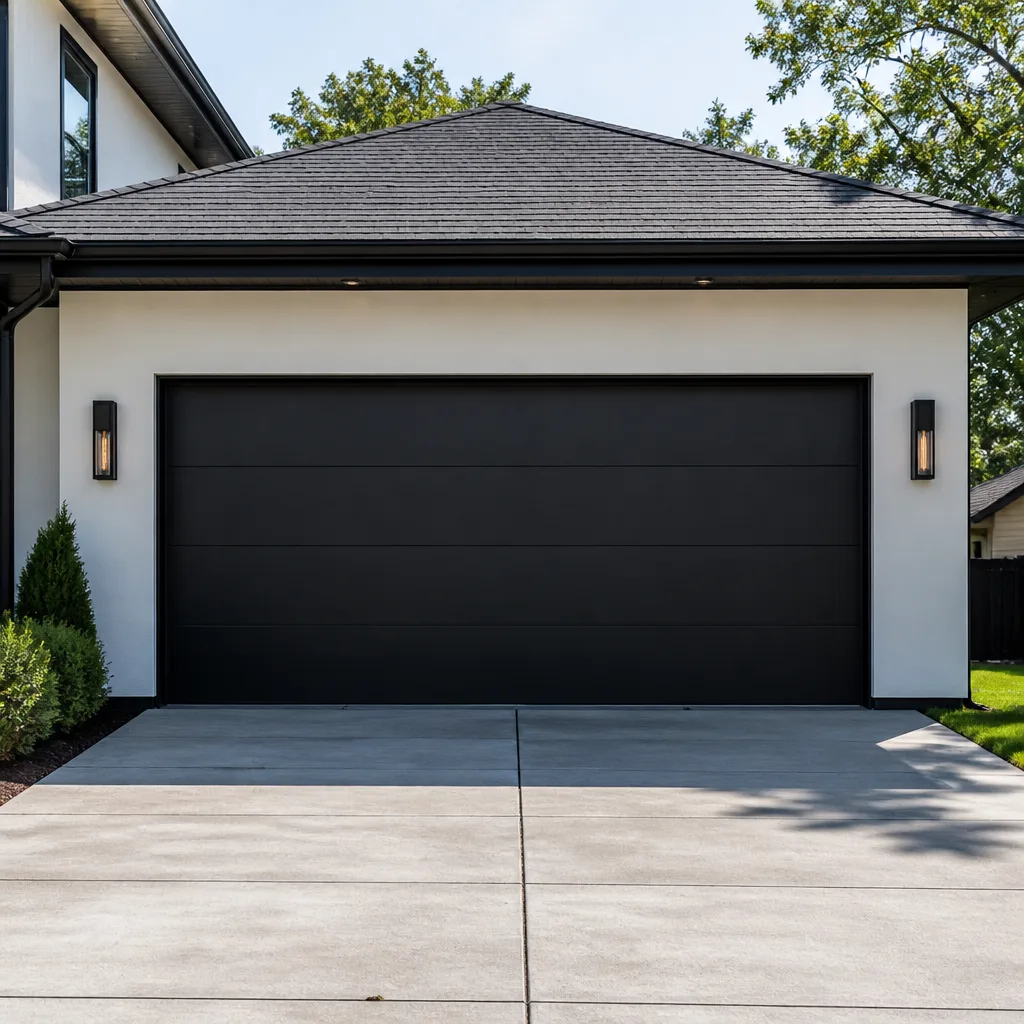 Modern flush
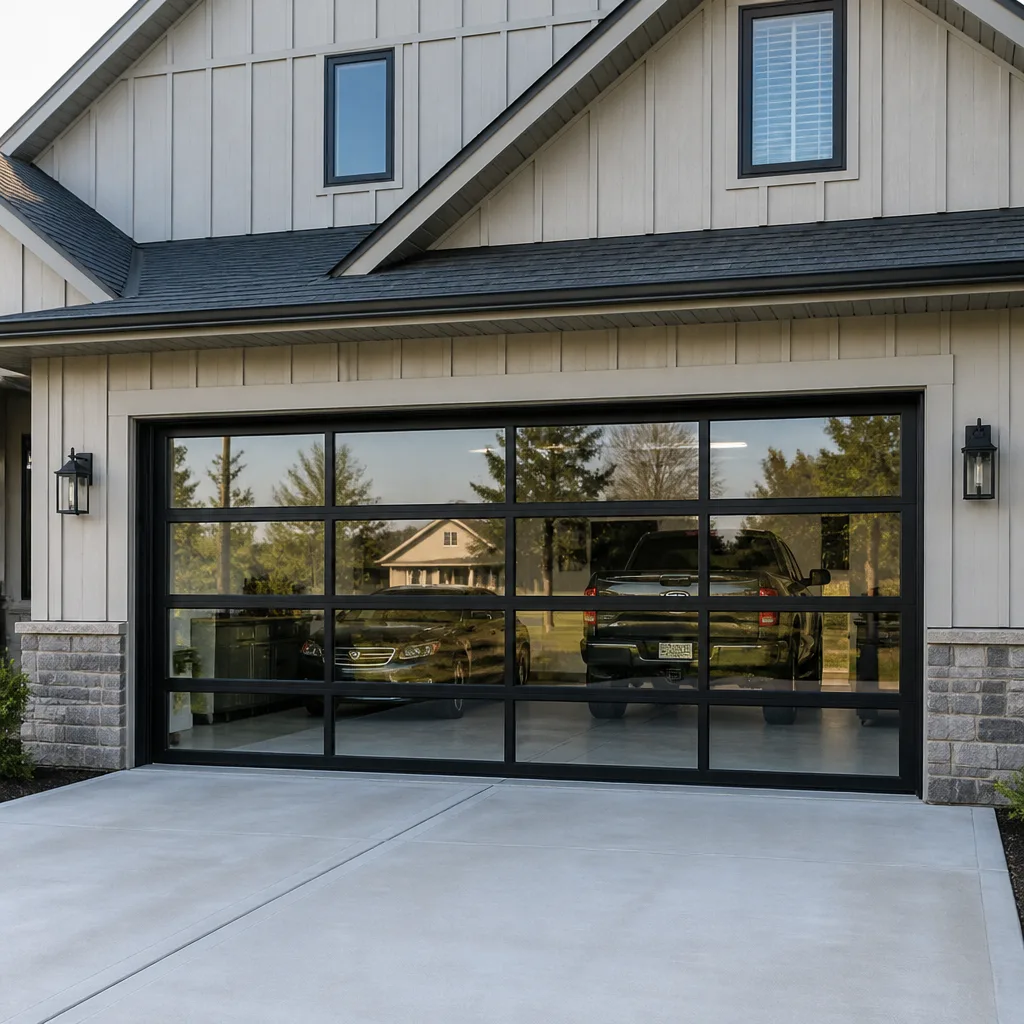 Full-view glass
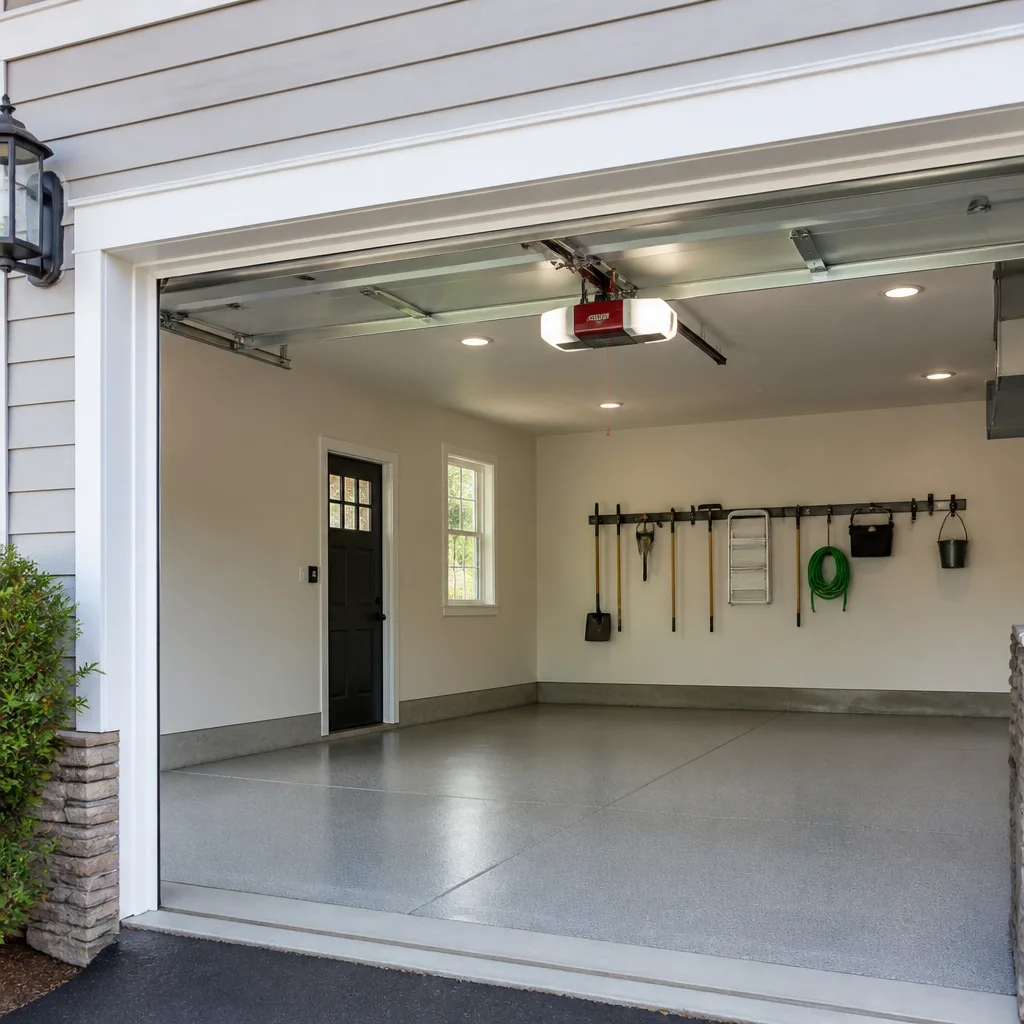 LiftMaster openers
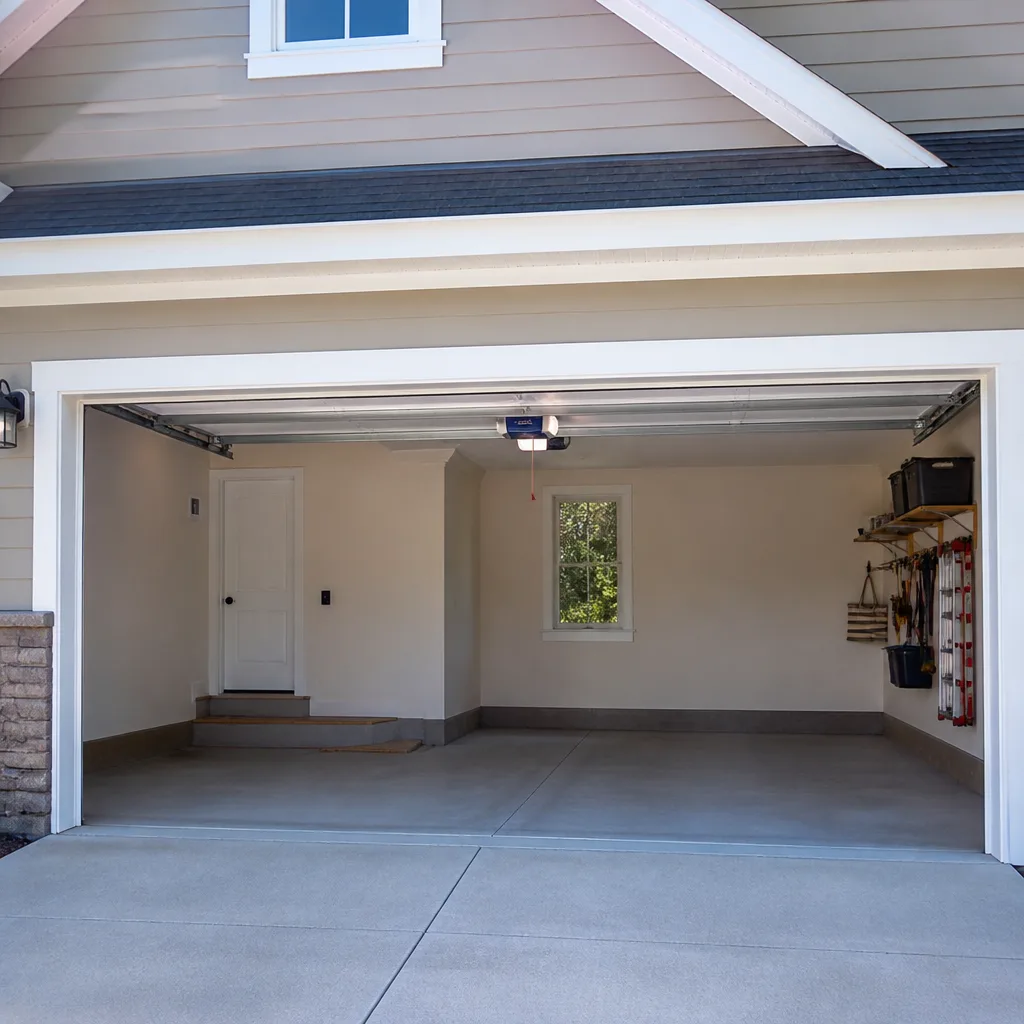 Chamberlain openers
Full 25-point door and opener safety check with every visit - springs, cables, rollers, tracks, and your LiftMaster or Chamberlain opener included
You get a price before we start. It does not change when the pro arrives.
Get your free estimateChoosing the Right Garage Door Brand: A Buyer’s Guide for Hilliard
Most garage door buying advice starts with the wrong question. It asks which brand looks best in a brochure, which one has the nicest panel designs, or which color samples best match the brick. But here in central Ohio, the brand name stamped on your door matters far less than whether a replacement spring for that system can actually be sourced without a two-week lead time in the middle of January. That is the question almost no homeowner thinks to ask until the door is stuck open and the part is on backorder from a warehouse three states away. This guide is written to change that order of thinking. We’ll walk through how brand choice affects part availability around Hilliard, how to read insulation ratings against our real winters, where hardware quality actually shows up, and what a “lifetime warranty” really covers once you read the fine print.
Quick Answer
For most Hilliard homeowners, the right garage door brand is one with local distribution in the Columbus market, a track record of durable hardware (rollers, hinges, springs), and insulation rated for a cold-climate climate zone if the garage is attached to the house. Clopay, Amarr, Wayne Dalton, and CHI all have distribution reach into central Ohio, which keeps repair parts available. The highest R-value door is not automatically the best buy, especially for a detached garage. Brand matters, but parts availability and hardware quality matter more.
Styles & brands we work with
- Raised-panel steel
- Carriage house
- Modern flush
- Full-view glass
- LiftMaster openers
- Chamberlain openers
Table of Contents
- Which Brands Have Local Distribution in the Columbus Market?
- How to Read R-Value for Hilliard’s Climate
- Hardware Durability: Where Brands Actually Differ
- Opener Compatibility: What to Verify Before You Buy
- What “Lifetime Warranty” Really Means
- Steel, Wood, or Composite: Material Choice by Brand
- A Step-by-Step Brand Selection Process
- Common Mistakes to Avoid
Which Brands Have Local Distribution in the Columbus Market?
The single most practical brand question for a Hilliard homeowner is this: when something breaks, can a replacement part for this door be found nearby? Garage doors are mechanical systems, and mechanical systems wear out. Springs lose tension, rollers flatten, hinges crack, and openers eventually fail. What separates a good long-term ownership experience from a frustrating one is how quickly those parts can be replaced. A brand with distribution reach into the Columbus area means a local supplier, dealer, or service network can source parts without shipping delays that stretch into weeks.
In the Columbus and Hilliard market, several major manufacturers have distribution that reaches central Ohio. Clopay is widely distributed and one of the most commonly installed residential doors in the region, which means parts and matching panels are relatively easy to find. Amarr has a broad dealer network and strong availability across the Midwest. Wayne Dalton is also well represented locally. CHI, a manufacturer that leans toward insulated steel doors, has distribution reachable from the Columbus area as well.
What does that mean in practice for a Hilliard homeowner? It means choosing a brand with local reach protects you in three specific ways:
- Replacement panels: If a section of your door is dented or damaged, a brand with local distribution can often supply a matching panel rather than forcing a full door replacement.
- Hardware matching: Rollers, hinges, and end plates vary by manufacturer. A brand stocked locally means the correct matching hardware is on hand.
- Faster repair turnaround: When we handle garage door repair in Hilliard, a locally available part means the door gets fixed in one visit instead of waiting on a shipment.
This is where a brand with a beautiful catalog but no central Ohio footprint becomes a liability. On paper it may look superior. In January, with a broken spring and a car trapped inside, the catalog means nothing. The question that matters is whether the part can be found. When you’re comparing brands, ask the supplier directly where parts ship from and how long a special-order panel takes to arrive. A brand that can’t answer that clearly is a brand that will cost you time down the road.
How to Read R-Value for Hilliard’s Climate
Insulation ratings on garage doors are expressed as R-value, a measure of thermal resistance. The higher the number, the better the door resists heat transfer. In a cold-climate market like Hilliard, where winters bring sustained freezing temperatures, insulation matters, but not in the way the marketing suggests. The highest R-value on the showroom floor is not automatically the right buy, and for some garages it’s money spent on a benefit you’ll never fully realize.
The key distinction is attached versus detached garages. An attached garage shares at least one wall with the living space, so its temperature affects the rooms next to it. A well-insulated door on an attached garage in Hilliard helps hold warmth in the house, reduces drafts through the shared wall, and takes load off whatever heating system serves the home. That is a real, measurable benefit. A detached garage is a different situation. It’s a separate structure, and a very high R-value door on a detached garage that isn’t heated or isn’t tightly sealed elsewhere does less than the spec sheet implies. The door can only do so much when the rest of the building envelope isn’t working with it.
Here’s how to think about insulation in practical terms:
- Attached garage, heated home: A well-insulated door earns its cost. Match the door’s insulation to the rest of the home’s efficiency and you’ll feel the difference in the rooms above and beside the garage.
- Attached garage, unconditioned: Insulation still helps with drafts and condensation, but a top-tier R-value is less critical than good sealing around the perimeter.
- Detached garage, unheated: Moderate insulation is usually enough. The premium for the highest rating rarely pays back in a space that’s cold by design.
- Detached garage, heated or used as a workshop: Insulation matters again, but the door is only one piece. The walls, ceiling, and seals carry equal weight.
One more point that brochures skip: installation quality affects real-world performance as much as the R-value printed on the door. A high-rated door installed with gaps around the frame or a poorly adjusted bottom seal will leak air regardless of its number. If you’re weighing a premium door against a mid-range door plus careful installation, the careful installation usually wins in a Hilliard winter.
Hardware Durability: Where Brands Actually Differ
Brand comparisons tend to focus on the door face, the panel style, the window options, the color. But the parts that determine how long a door lasts and how often it needs service are the moving pieces behind the face: the rollers, the hinges, the springs, and the track. These are where brands genuinely differ, and where the difference shows up years later when a cheap door is squeaking, wobbling, and shedding rollers while a better-built one is still running quietly.
Let’s break down where hardware quality varies across brands:
- Rollers: Nylon rollers run quieter and last longer than steel rollers. Brands that ship with quality nylon rollers up front save you a roller upgrade later. Steel rollers wear faster and are noisier, especially in cold weather when lubricant thickens.
- Hinges: Hinge quality is often overlooked until it fails. Stamped hinges with thin metal flex and eventually crack under the load of a heavy door. Brands using heavier-gauge hinges with better tolerances hold up far longer, particularly on wider, heavier doors.
- Springs: Spring quality is the most safety-critical hardware on the whole door, and it’s also where brands hide cost. Springs are rated by cycle life, meaning how many open-close cycles they’re engineered to survive. A spring rated for a longer cycle life costs more and lasts longer. This is genuine skilled work and not a commodity job, which is why spring replacement done right matters so much. If you suspect a spring issue, our garage door spring repair service handles it with the correct tools and matching parts rather than guesswork.
- Track and end plates: Thicker-gauge track resists bending and stays aligned longer. Flimsy track is a common source of doors that come out of alignment and start binding.
In our experience working on all eight of the most widely installed residential brands, the pattern is consistent: two doors can look identical from the driveway and be built to completely different standards underneath. The face panel is what you see. The hardware is what you live with. When you’re comparing brands, ask specifically about roller type, hinge gauge, and spring cycle rating. A brand that can answer those questions confidently is a brand built to last.
Opener Compatibility: What to Verify Before You Buy
Your garage door and your opener are a system, and they have to work together. A new door that’s heavier or differently balanced than the old one can overwhelm an opener that was sized for a lighter door. Modern smart-home openers add another layer, because some door brands and opener brands are engineered to pair more naturally than others. Getting this wrong before you buy means either an underpowered opener straining against a heavy door or a premium opener that can’t take advantage of its features.
The good news for Hilliard homeowners is that a quality opener paired with a well-balanced door rarely causes problems, and matching them is straightforward if you know what to verify. Here’s the checklist we walk through before recommending a door and opener combination:
- Door weight and balance: Confirm the new door’s weight and that it’s properly balanced on its springs. An opener should lift a balanced door with modest effort, not fight it. Heavier doors and openers need to be matched on lifting capacity.
- Opener type and lifting force: Belt-drive and chain-drive openers have different lifting capacities. Confirm the opener’s rated lifting force matches or exceeds what the door requires.
- Smart-home ecosystem: If you want app control and voice integration, confirm the opener works with the platform you actually use. LiftMaster and Chamberlain share the myQ ecosystem, which is the dominant smart-home-integrated platform. Genie offers its own connected options. Verify compatibility before committing.
- Safety features: Every modern opener should have safety reversal and a functioning photo-eye system. Confirm these are present and working with the new door.
- Legacy versus new: If you’re keeping an older opener and replacing the door, confirm the existing opener can handle the new door. Sometimes a door replacement is the right moment to update the opener too, and sometimes the existing one is fine. We check rather than assume.
This is where our opener expertise helps. We work on both legacy systems and modern smart-home-integrated openers, so we can tell you whether your existing opener will pair with a new door or whether an upgrade makes sense. If you’re keeping your door and just need opener service, our garage door opener repair handles everything from myQ connectivity issues to a motor that’s stopped responding.
What “Lifetime Warranty” Really Means
“Lifetime warranty” is one of the most misunderstood phrases in the garage door market. It sounds absolute, like the manufacturer will replace anything that ever goes wrong. In reality, a lifetime warranty is defined entirely by its exclusions, and the exclusions are where most homeowners get surprised. Understanding what a warranty actually covers before you buy is worth more than the banner language on the box.
Warranties on garage doors typically break down into separate coverage categories, each with its own terms:
- Section (panel) warranty: Often the longest, sometimes labeled lifetime. But it frequently covers only manufacturing defects in the panel itself, not damage from impact, dents, or normal wear. A dented panel from a car bumper is not a manufacturing defect, and the warranty won’t cover it.
- Hardware warranty: Covers hinges, rollers, and track, usually for a shorter period than the panel. Read the length carefully, because hardware is what wears out first.
- Spring warranty: Springs are sometimes covered and sometimes not, and the length varies widely. Since springs are the most common failure point, a warranty that excludes springs is far less valuable than it appears.
- Paint and finish: Often covered for a set period against peeling or fading, but usually excludes normal weathering, which is exactly what happens to a door facing an Ohio winter.
- Labor: Almost always excluded. The warranty covers the part, not the cost of installing it. That distinction matters when a covered part fails and you still pay for the service visit.
The takeaway is to read the exclusions, not the headline. A door with a shorter but more honest warranty that actually covers springs and hardware may serve you better than a door with a lifetime panel warranty that excludes every part likely to fail. When comparing brands, ask to see the actual warranty document, not the marketing summary. Then check what’s excluded, how long each category lasts, and whether labor is on you. That’s the real comparison.
Steel, Wood, or Composite: Material Choice by Brand
Material choice is closely tied to brand, because not every manufacturer builds in every material. Understanding the trade-offs helps you narrow the brand field before you start comparing prices. For most Hilliard homes, steel is the practical default, but there are situations where wood or composite earns its place.
Here’s how the main materials compare for a central Ohio climate:
- Steel: The most common residential choice, and for good reason. Steel doors resist the freeze-thaw cycling and moisture swings that come with Ohio winters, hold insulation well, and need less upkeep than wood. Clopay, Amarr, Wayne Dalton, and CHI all build extensively in steel. A steel door with a quality finish and good insulation is the sweet spot for most Hilliard homes.
- Wood: Beautiful and highly customizable, but wood is a higher-maintenance choice in a climate with real seasonal swings. It needs periodic refinishing to handle moisture, and left unprotected it can warp or crack. A wood door is a good fit for a homeowner who wants a specific look and is prepared for the upkeep, and it’s a poor fit for someone who wants a low-maintenance door.
- Composite and faux wood: Gives the look of wood without the maintenance. Resists moisture better than real wood and holds up to temperature swings. A reasonable middle ground for homeowners who want a wood aesthetic but not the refinishing routine.
The material conversation connects directly to the brand conversation. If you’ve decided steel is right for you, your brand shortlist is longer because more manufacturers build quality steel doors. If you’re set on wood, the field narrows. Either way, the pick should follow your maintenance appetite and your garage’s use, not just the photo in the catalog.
A Step-by-Step Brand Selection Process
Rather than starting with brand names and working backward, start with your situation and let it guide you to the right brand. Here’s the process we walk through with Hilliard homeowners:
- Identify your garage type and use. Attached or detached? Heated, unheated, or used as a workspace? This sets your insulation target and your budget priority.
- Set your material. Decide steel, wood, or composite based on the maintenance you’re willing to take on. Steel suits most Hilliard homes; wood suits those who want a specific look and the upkeep.
- Check part availability for your shortlist. For each brand you’re considering, ask where parts ship from and how long a replacement panel takes. Prefer brands with distribution reach into the Columbus market: Clopay, Amarr, Wayne Dalton, and CHI all qualify.
- Ask for the hardware spec. Roller type, hinge gauge, spring cycle rating. Confirm what you’re actually getting rather than trusting the face panel.
- Read the real warranty document. Check panel, hardware, spring, and paint coverage separately, and confirm whether labor is included. Exclusions matter more than the banner.
- Match your opener. Confirm your existing opener can lift the new door, or plan the opener update. If you want smart-home control, verify the door pairs with the ecosystem you use, such as the myQ platform shared by LiftMaster and Chamberlain.
- Get a written estimate and ask about installation. Installation quality decides real-world performance. A well-specced door installed poorly underperforms a mid-range door installed well.
Working through these steps in order keeps the process focused on what actually affects long-term satisfaction rather than what looks best on a sample card. It’s the same approach we use when we advise on a full door replacement, and it’s why we can work from a quick repair to a complete new installation without sending you to a second contractor.
Common Mistakes to Avoid
- Choosing a brand by appearance alone. The face panel is the least useful comparison point for durability. Two identical-looking doors can have completely different hardware underneath, and the hardware is what fails first.
- Ignoring local parts availability. A brand with no distribution reach into the Columbus market may look great until a spring or panel has to ship from across the country. For a Hilliard homeowner, that’s a two-week wait in the cold.
- Buying the highest R-value without checking the garage type. A premium insulated door on an unheated detached garage spends money on a benefit the space won’t deliver. Match the insulation to the building, not the brochure.
- Trusting the “lifetime warranty” headline. Look at the exclusions, the separate coverage periods for panel, hardware, spring, and paint, and whether labor is included. A warranty that excludes springs and hinges isn’t much protection.
- Forgetting to match the opener. A new door that’s heavier or differently balanced than the old one can strain an opener that wasn’t sized for it. Verify compatibility, including the smart-home platform, before you buy.
- Overlooking installation quality. A perfectly specced door installed without proper sealing and alignment will leak air and wear faster. The installer matters as much as the brand.
- Not asking about matching replacement panels. If a single section is damaged, a brand with local distribution and matching panel availability can repair the door instead of replacing the whole thing.
See the difference
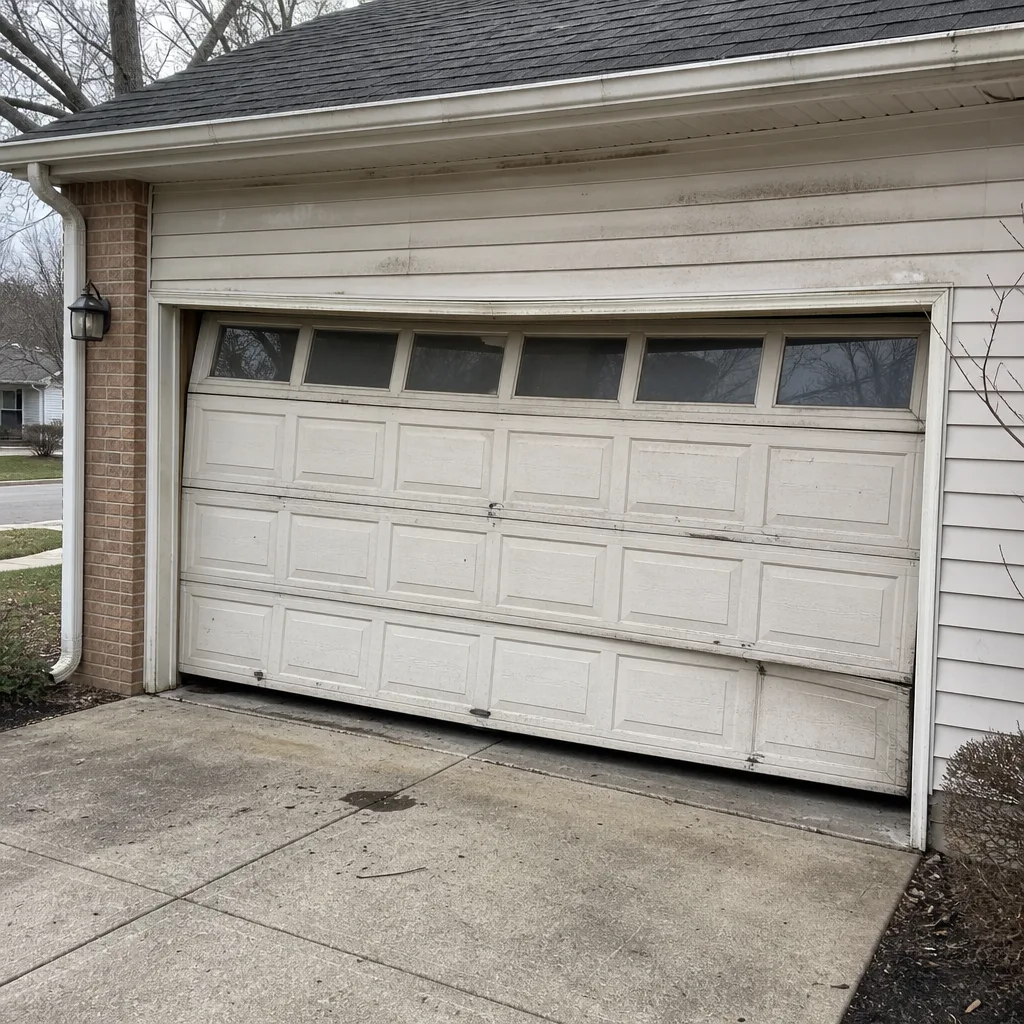 Before
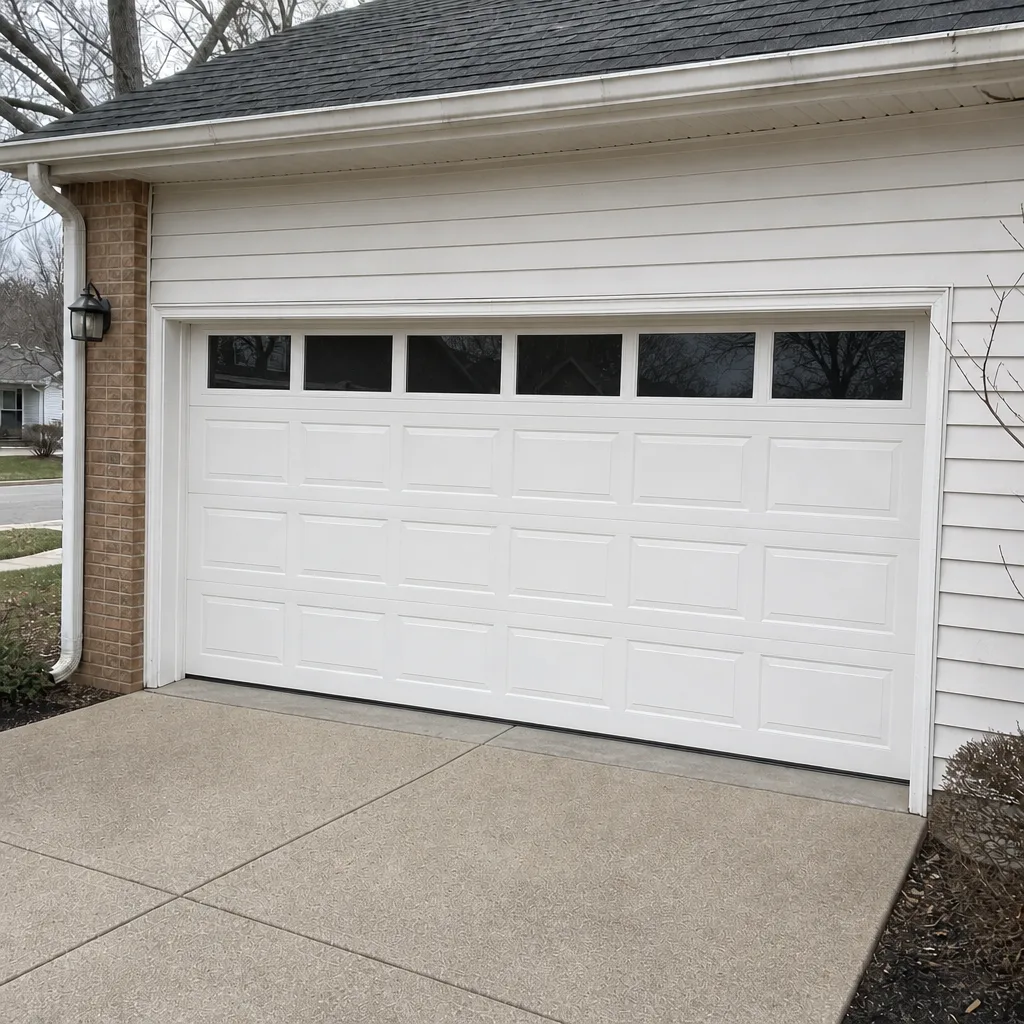 After
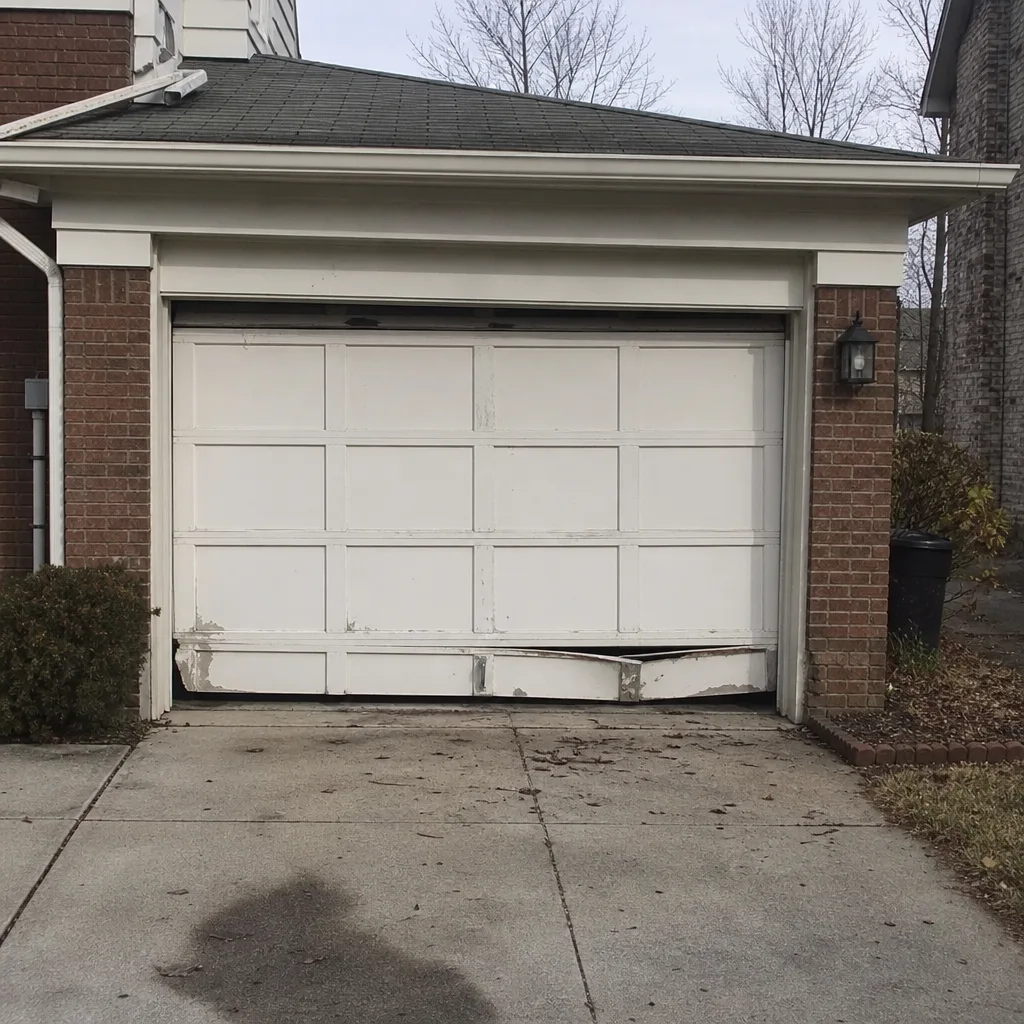 Before
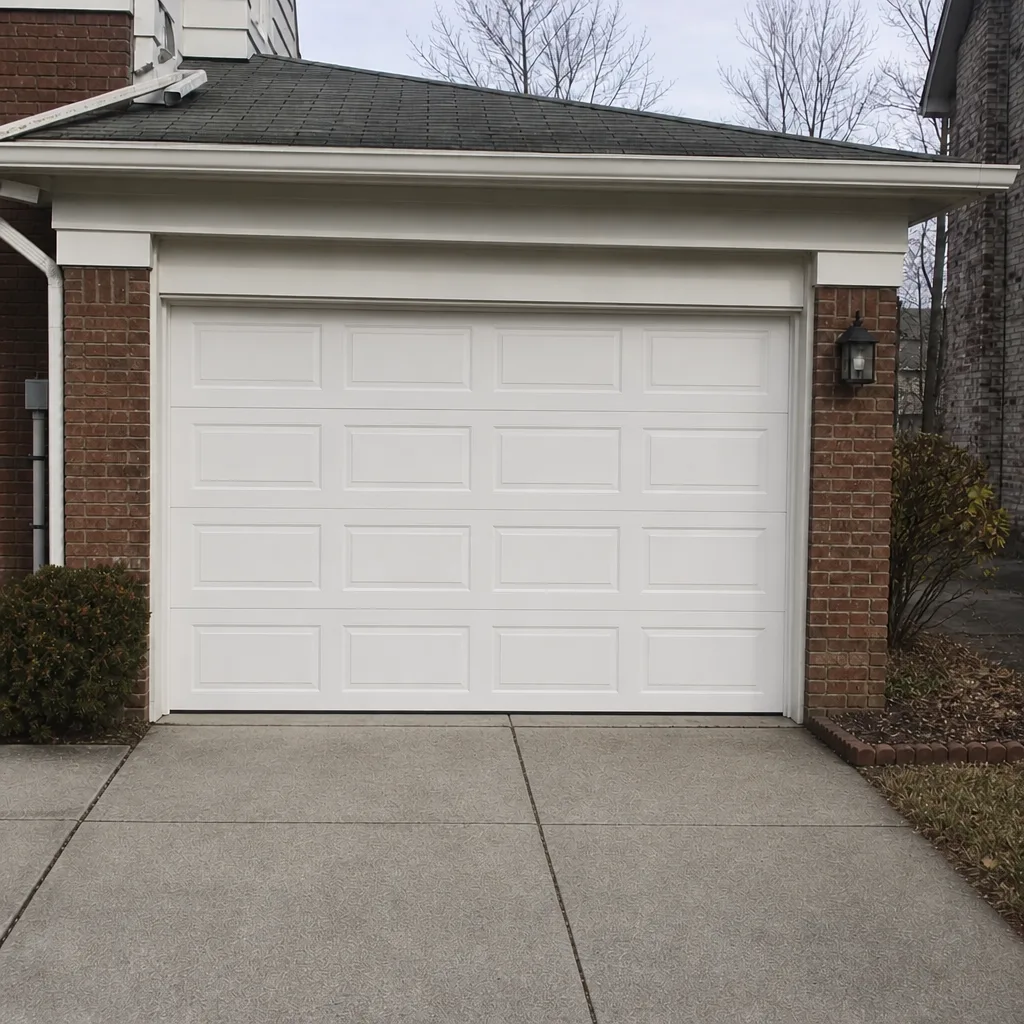 After
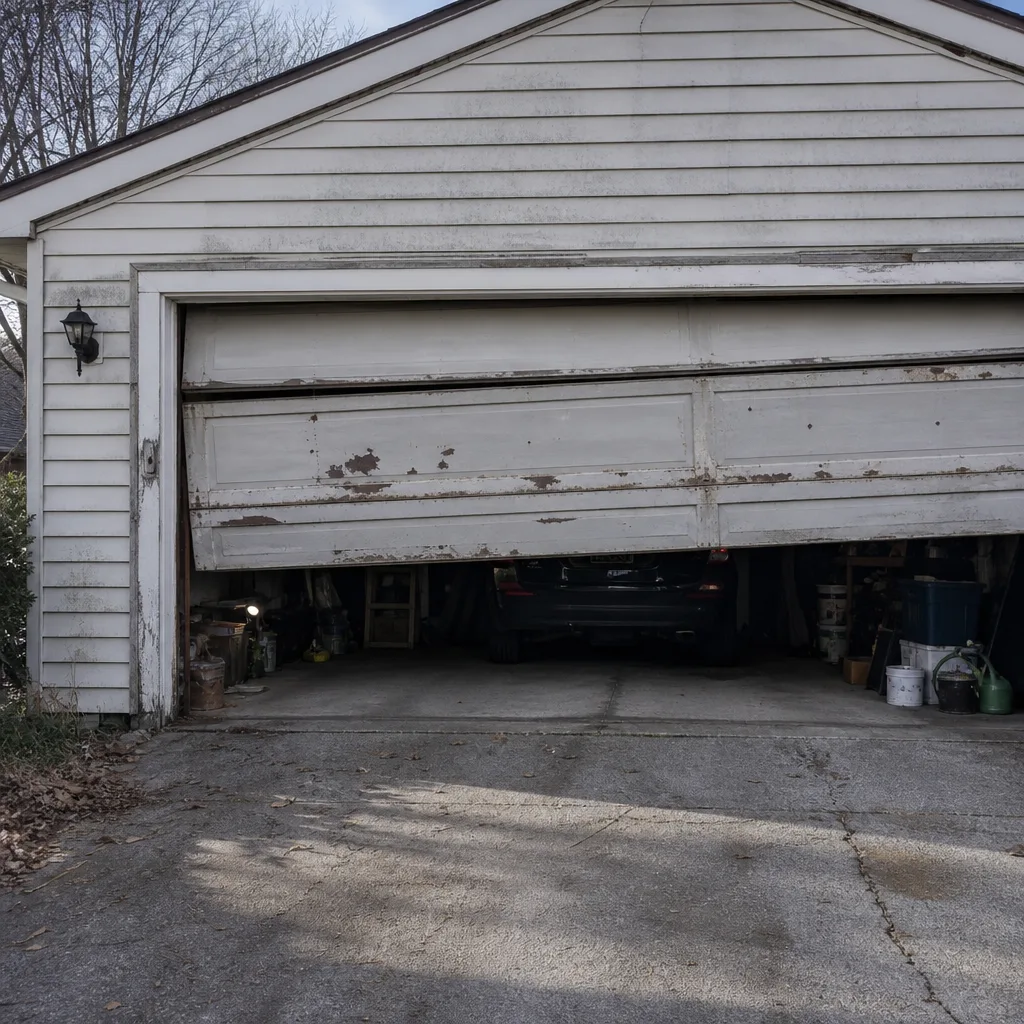 Before
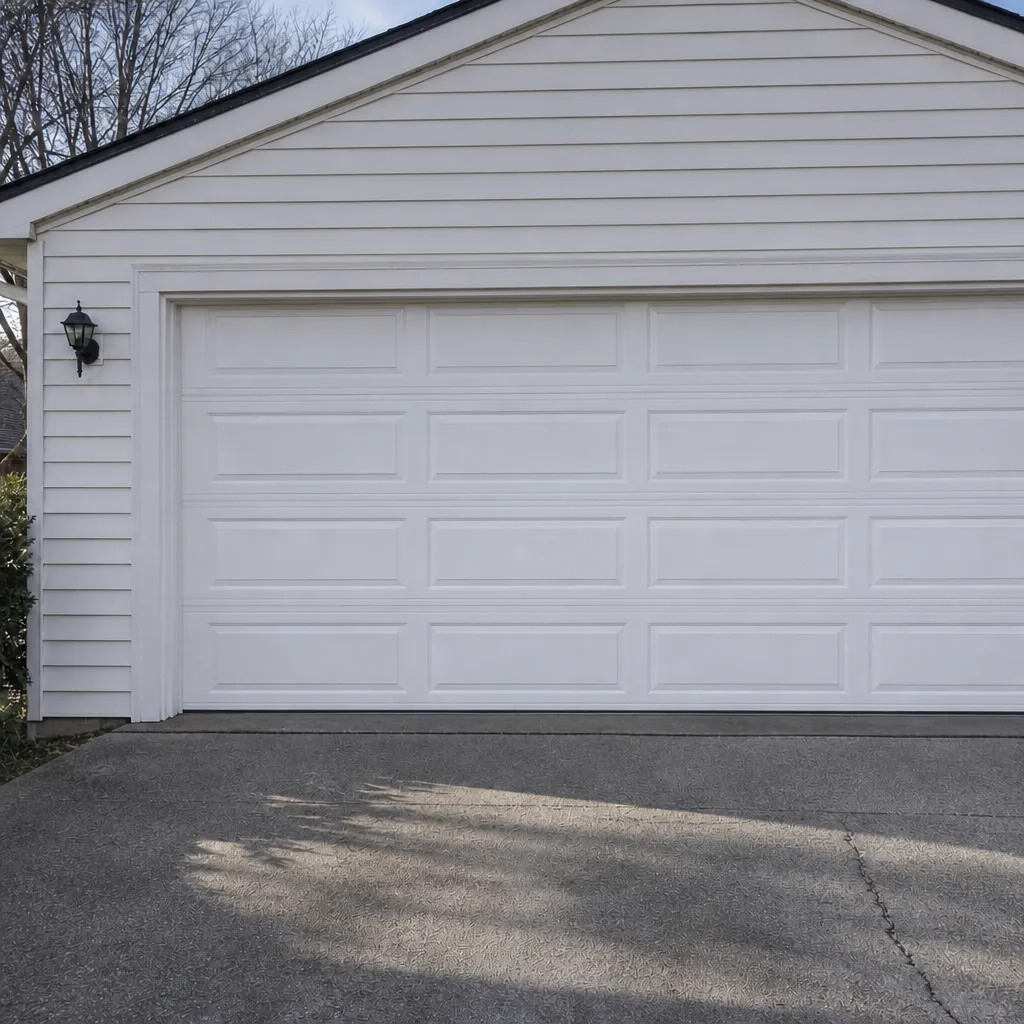 After
When to Call a Professional
Some brand research you can do yourself, and some decisions need a trained eye on the actual equipment. Call a professional when you’re unsure whether your opener can handle a new door, when a spring has broken (the most safety-critical part of the whole system, and not a DIY job), when a door is stuck open or a vehicle is trapped, or when you’re weighing a repair against a full replacement and want a straight answer on what makes sense for your garage. When you’re ready to sort out a specific brand question, or you need service on the door you already have, Hilliard Garage Door Repair Pros offers free estimates in Hilliard. Call (833) 918-9857. We answer 24/7, with fast dispatch from 7am to 7pm, Sunday through Friday. Our technicians have up to 11 years of experience across all eight of the widely installed residential brands, so we work on your brand, not just one manufacturer’s equipment.
Frequently Asked Questions
The best brand is one with local distribution in the Columbus market, durable hardware, and insulation rated for a cold-climate zone if the garage is attached. Clopay, Amarr, Wayne Dalton, and CHI all have distribution reach into central Ohio, which keeps repair parts available. Beyond that, the right brand follows your garage type, material preference, and opener setup. Call (833) 918-9857 for a free estimate and we’ll help you sort it out.
Brand matters, but not for the reason the brochures suggest. The name on the door means little by itself; what matters is local parts availability, hardware quality (rollers, hinges, springs), and insulation appropriate to Hilliard’s climate. Two doors can look identical and be built to completely different standards underneath. Call for advice before you commit.
Because garage doors are mechanical systems that wear out, and the difference between a fast repair and a two-week wait is whether the part can be sourced nearby. A brand with distribution reach into the Columbus market lets a local service network supply matching panels and hardware without weeks of shipping delay. That matters most in winter, when a broken door leaves a home unsecured. Call (833) 918-9857 for help sourcing the right parts.
Not usually. The highest R-value pays back best on an attached garage, where the door’s insulation helps hold warmth in the living space. On an unheated detached garage, moderate insulation is typically enough, and the premium for the top rating rarely earns its cost. Match the insulation to the building and its use, not the brochure. Call for a free estimate to right-size the door.
Most well-balanced doors can work with a LiftMaster or Chamberlain opener, but the pairing has to be checked, not assumed. Verify the door’s weight and balance match the opener’s lifting capacity, and confirm smart-home features work with the myQ ecosystem if you want app control. We check this before recommending a combination. Call (833) 918-9857 to verify your setup.
Usually less than it sounds like. A lifetime warranty is defined by its exclusions, and coverage is typically split into separate periods for the panel, hardware, spring, and paint, with labor usually excluded. A warranty that doesn’t cover springs or hinges offers little real protection. Read the actual document and check what’s excluded before you buy. Call for a straight answer on a specific brand’s warranty.
The Bottom Line
When you’re choosing a garage door brand for a Hilliard home, the decision that shapes your long-term satisfaction is not the look of the panel. It’s local parts availability, hardware durability, insulation matched to your actual garage, opener compatibility, and a warranty that holds up once you read the exclusions. Clopay, Amarr, Wayne Dalton, and CHI all have distribution reach into central Ohio, which keeps repair parts within reach all year. Start with your garage type and material, check the hardware spec and the real warranty document, and verify the opener pairing before you buy. We work on your brand, from quick repairs to full installation, and we’re happy to help you weigh the options. Call (833) 918-9857 for a free estimate. We answer 24/7. Fast dispatch from 7am to 7pm, Sunday through Friday. Learn more about Hilliard Garage Door Repair Pros and how we approach every door.
Written by the team at Hilliard Garage Door Repair Pros.