
Last updated November 22, 2026
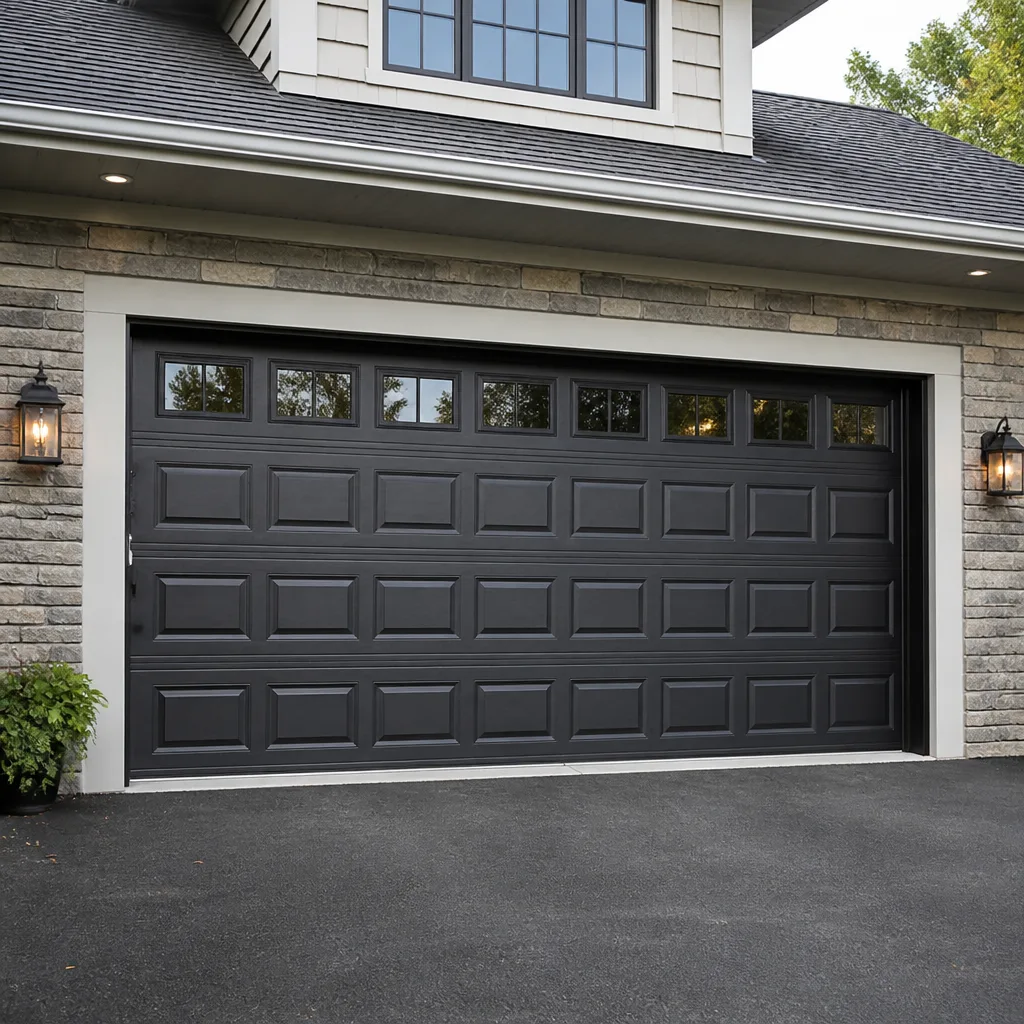 Raised-panel steel
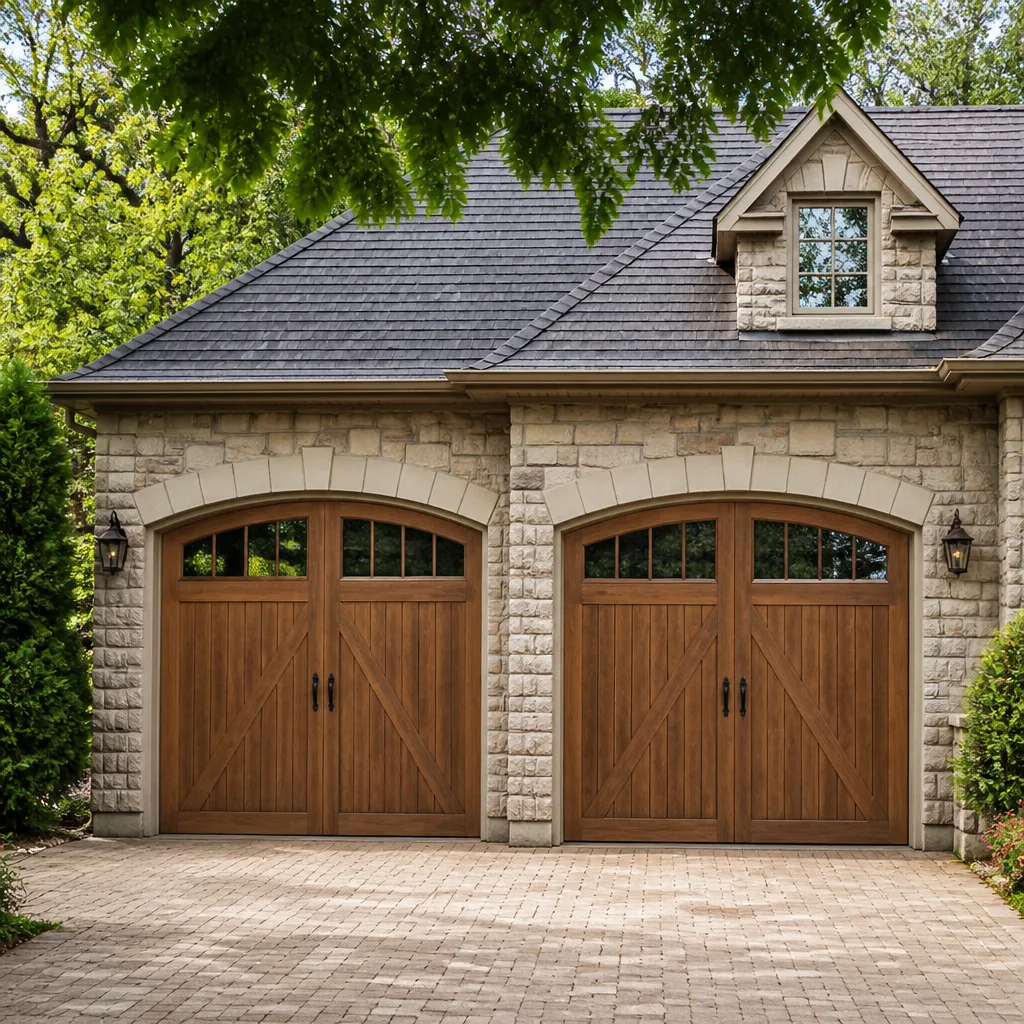 Carriage house
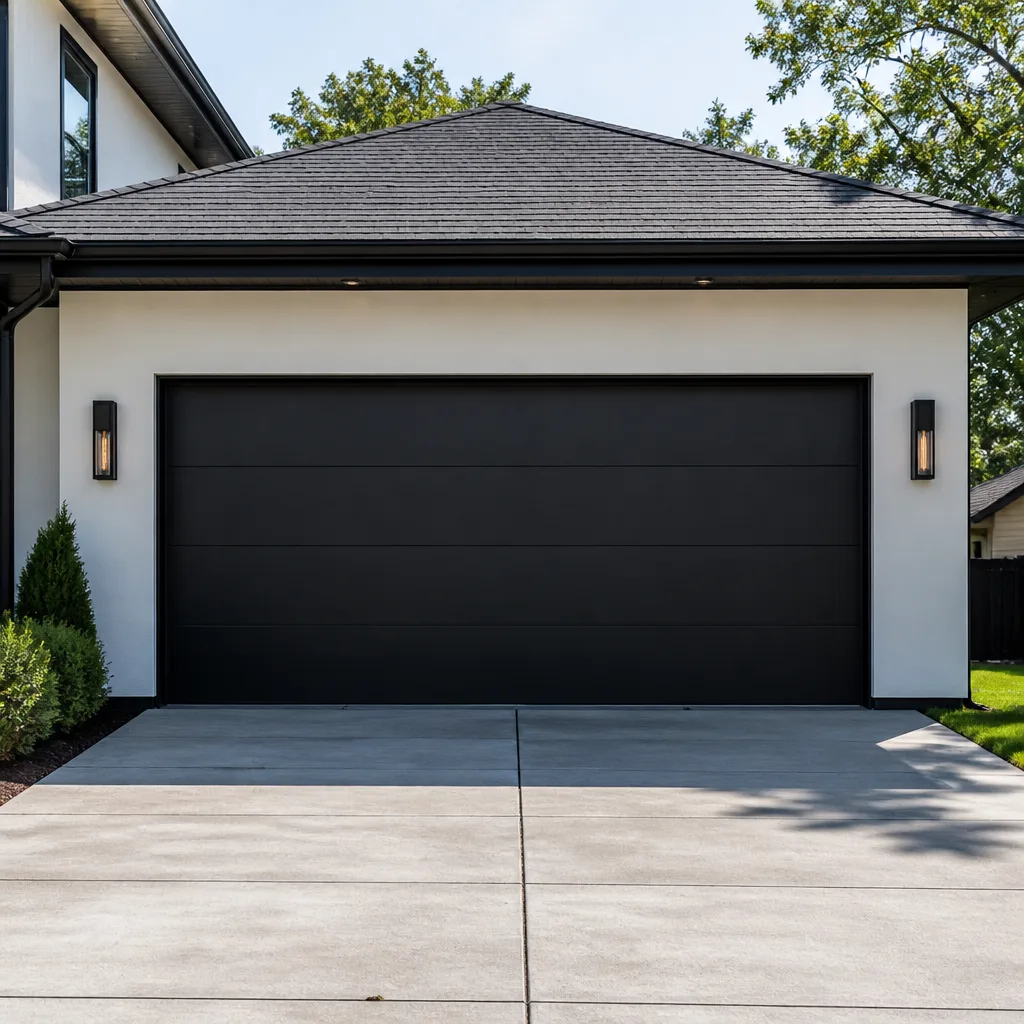 Modern flush
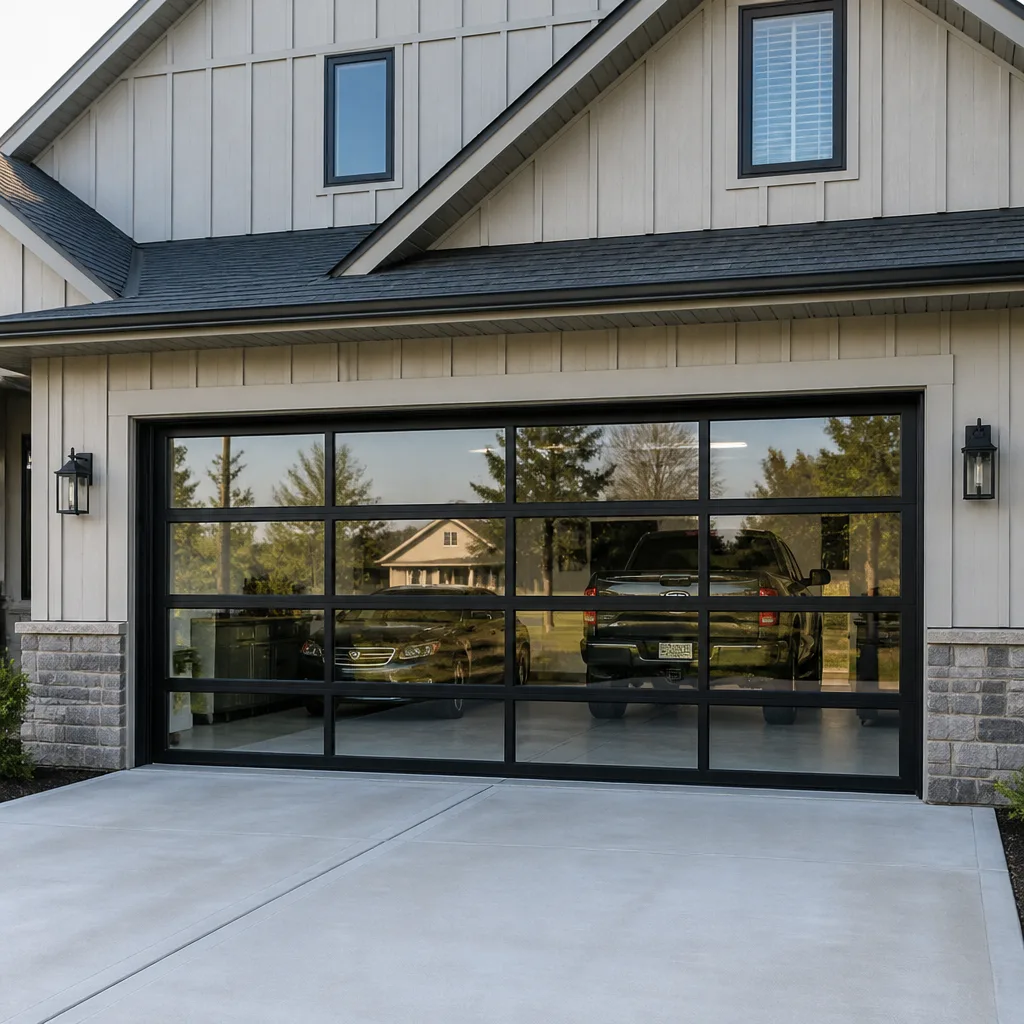 Full-view glass
 LiftMaster openers
 Chamberlain openers
Full 25-point door and opener safety check with every visit - springs, cables, rollers, tracks, and your LiftMaster or Chamberlain opener included
You get a price before we start. It does not change when the pro arrives.
Get your free estimateGarage Door Warning Signs: A Hilliard Homeowner’s Reference Guide
Most garage doors don’t fail out of nowhere. A torsion spring that snaps on a cold Hilliard morning has usually been telling you something for weeks – in a slightly slower lift, a thin gap in the coil, a groan the opener has been fighting against. Those signals are quiet, though, and they look like nothing unless you know what you’re looking at. That’s the gap this guide fills.
Below we map the sounds, the visible clues, and the small tests you can run from the floor of your garage to catch a failing part before it strands your car or leaves the door hanging open. You’ll learn what’s safe to watch, what needs a scheduled repair, and what means you should stop using the door altogether.
Quick Answer
The most common garage door warning signs are a door that moves slower than it used to, grinding or popping sounds during travel, a visible gap in the spring coil, frayed or slack cables, and rollers that wobble or squeal. In Hilliard, the seasonal freeze-and-thaw cycle stresses springs and metal tracks more than a steady climate does, so the same door tends to show wear faster.
Any sign that involves a broken spring, a loose cable, or a door that won’t stay balanced means you should stop operating it and have a trained technician look at it. We answer 24/7, and fast dispatch runs from 7am to 7pm, Sunday through Friday.
Styles & brands we work with
- Raised-panel steel
- Carriage house
- Modern flush
- Full-view glass
- LiftMaster openers
- Chamberlain openers
Table of Contents
- What the Sounds Coming From Your Door Are Telling You
- The Three-Minute Visual Inspection: Springs, Cables, Rollers, Tracks
- Is Your Opener Overworking? The Motor Is Usually the Messenger
- The 30-Second Balance Test That Reveals Spring Health
- Warning Signs That Mean Stop Using the Door Now
- Signs That Allow a Scheduled Repair
- How Hilliard Weather Shapes Garage Door Wear
- What Hilliard Homeowners Can Expect to Pay for Repairs
- Sharp popping or a gunshot crack, followed by the door dropping: that’s a torsion spring breaking. It’s the loudest failure in the system and the one you don’t want to be standing under. Stop using the door and call a professional.
- Rhythmic grinding that speeds up with the door: usually worn rollers or a dry, pitted track. Grinding is metal-on-metal friction, and it gets worse every cycle you run.
- Scraping from one side of the door: the track is likely bent, or a roller has jumped the rail. The door is traveling crooked, which stresses the opener and the hinges.
- A groan or hum from the opener with little movement: the motor is straining against a door that’s gotten too heavy for it, often because a spring has lost tension.
- Rattling or clanking in the overhead track: loose hinges or roller stems that need tightening or replacement.
- Squealing that changes with the weather: dry rollers and springs. In Hilliard this one shows up most in the first cold snap of the season.
- Springs (the coiled hardware above the door or the long springs along the track): look for a visible gap in a coil. A broken torsion spring shows a clean separation; a door with extension springs may show one spring hanging slack. A gap means the spring has failed – stop here and don’t operate the door.
- Cables (the steel wires at the sides): check that both are taut and sitting properly in their drums. Frayed strands, a slack cable hanging off the drum, or cables that look uneven side-to-side are all stop signs.
- Rollers: with the door closed, look at the rollers in the tracks. Worn rollers are flat-spotted, cracked, or wobbly on their stems. Steel rollers that have lost their nylon sleeve will be noisy and abrasive.
- Tracks: sight down each rail like a carpenter checking a board. Bends, dents, or sections that are pulling away from the door frame mean the door isn’t riding true.
- Hinges and brackets: look for loose screws, cracks at the hinge leaves, or rust. Loose hardware rattles and, over time, throws the door out of alignment.
- The door lifts more slowly than it used to, or hesitates at the start.
- The opener housing feels warm to the touch after a single cycle.
- The motor hums and strains, and the door barely moves or stops partway.
- The opener occasionally reverses on its own mid-travel.
- The lights on the unit flicker or dim when the door runs.
- The door slams down hard instead of easing into the floor.
- Stand clear and use the wall control (or the opener’s remote) to raise the door about halfway.
- Stop the door and disconnect the opener using the manual release cord, so the door is on its own springs.
- Let go gently and watch. A healthy door stays roughly where you left it. A door with failing springs will sag or drop under its own weight.
- Reconnect the opener and lower the door.
- A gap in a torsion spring, or a visibly broken spring of any kind. The door is now unsupported, and running it can damage the opener or drop the door.
- A cable that’s frayed, snapped, or off its drum. Cables hold the door’s sides together under tension; a failed one is a genuine safety risk.
- A door that comes down unevenly or hangs crooked. That points to a broken spring or cable and a door that could bind or fall.
- A door that won’t stay up on its own. If the manual release leaves it dropping, stop.
- Bent or detached tracks, where a roller can pop out and the door can jam or come off the rail.
- An opener that runs but the door doesn’t move, with a loud strain – something is broken between the motor and the door.
- Rollers that squeal or wobble but the door still travels smoothly.
- Rattling hinges that just need tightening or replacement.
- A track with a slight bend that hasn’t yet affected how the door runs.
- Dry or rusting springs, caught before any gap appears.
- An opener that occasionally reverses or has weak remote range.
- Weatherstripping along the bottom or sides that’s cracked and letting in drafts.
- One torsion spring replacement: typically $180-$340 for a single spring. Springs are almost always replaced as a matched pair, so a pair runs about twice that.
- Roller replacement: commonly a few dollars per roller plus labor, often bundled into a tune-up.
- Hinge replacement: modest per-hinge cost, again usually part of a larger repair.
- Cable replacement: priced per job, since cables, drums, and springs are handled together.
- Opener repair: varies by the part – a gear, a logic board, or a sensor – so it’s quoted after we identify the fault.
- Track realignment: priced per job depending on how much of the rail needs correcting.
What the Sounds Coming From Your Door Are Telling You
A garage door makes noise. The question is which noise, and where it comes from. Most “unusual noise” advice stops at that vague phrase, which helps nobody. Here’s how we map specific sounds to specific failing components.
One useful habit: stand in the garage and listen to the whole open-close cycle once a week. A noise that’s new compared to last month is your earliest warning. If a sound appears suddenly or repeats every cycle, it’s worth a look sooner rather than later.
The Three-Minute Visual Inspection: Springs, Cables, Rollers, Tracks
You can check the main wear points of your door in under three minutes, standing safely on the garage floor with the door closed. This is a look-and-observe guide, not a repair guide – and that distinction matters, because the springs and cables carry serious stored tension.
If a spot check turns up a broken spring or a compromised cable, don’t try to test further. Those parts are under high tension, and adjusting them without the right tools and training can cause serious injury. This is exactly the kind of work our garage door spring repair technicians handle safely, and it’s why we tell Hilliard homeowners to call rather than experiment.
Is Your Opener Overworking? The Motor Is Usually the Messenger
Here’s a pattern we see constantly: a homeowner calls certain their opener has died, when the opener is actually the first thing to complain about a failing spring or a door that’s gone out of balance. The motor is sized to lift a balanced door. When the door gets heavier – because a spring has weakened or a roller has seized – the opener works harder than it was built to.
Watch for these signs that the motor is being pushed:
If you catch it here, you may only need spring or balance work rather than a whole new opener. Left alone, an overworked motor can burn out its gears and you end up paying for both repairs. We service the openers most Hilliard homes actually have – LiftMaster, Chamberlain, Genie, Craftsman, and legacy systems alike – so we work on your brand rather than steering you toward a replacement you don’t need. Once it’s clearly the motor itself, our garage door opener repair team can sort out whether it’s a repair or a swap.
The 30-Second Balance Test That Reveals Spring Health
This is the single most useful check a homeowner can do, and it takes half a minute. It tells you whether your springs are still doing their job of counterbalancing the door’s weight. Do it only when the door is in good working shape and nothing looked wrong in the visual inspection.
If the door won’t hold its position halfway up, the springs have lost their counterbalance and the opener has been carrying the difference. That’s a warning sign worth acting on before something lets go. Don’t try to adjust the springs yourself to “fix” the balance – the tension they hold is dangerous to work around without training. A door that drops suddenly during this test, or is heavy to lift by hand, means stop and call.
Warning Signs That Mean Stop Using the Door Now
Some warning signs are a “get to it soon” notice. Others are a “leave it alone” alarm. Here’s the list that falls into the second category – if you see any of these, don’t cycle the door again until a professional has looked at it.
For these, the practical move is to secure the door (with the manual release engaged and the door closed by hand only if it’s safe) and call for help. Emergency garage door service exists for exactly the cases where a malfunctioning door leaves a home unsecured or a vehicle trapped. If your Hilliard door fails this way, call (833) 918-9857. We answer 24/7, and fast dispatch runs from 7am to 7pm, Sunday through Friday.
Signs That Allow a Scheduled Repair
Not every warning sign is an emergency. Plenty of them are the door asking for routine attention, and catching them early is how you avoid the expensive version of the same problem. These signs can wait for a planned visit:
The value of scheduling is that you’re not paying for the same trip twice. Rollers and hinges replaced together cost less than dealing with a bent track they eventually caused. If your door has a few of these smaller signs, a free estimate is the right first step – we’ll tell you what actually needs attention and what can wait. Our garage door repair work starts with a look at the whole system, not just the part that’s making noise.
How Hilliard Weather Shapes Garage Door Wear
Garage doors in central Ohio live through real seasonal swings. Hot, humid summers can swell wooden door panels and soften lubricants, while cold snaps contract metal and stiffen the grease in the rollers. The freeze-and-thaw cycle is the tougher one: when moisture gets into small gaps and refreezes, it works loose the fasteners and stresses the metal. Springs, in particular, tend to fail on the coldest mornings, which is a common pattern in Hilliard and across the region.
What that means practically: run your sound and visual checks a little more often after the first hard freeze and again as spring arrives. Hilliard’s housing stock runs from older homes with original hardware to newer builds on the west-side subdivisions, and each ages differently. Older Wayne Dalton and Craftsman systems often need a closer look at hinges and rollers, while newer doors with smart openers tend to show trouble at the spring or the opener first. Whatever’s on your door, the goal is the same – flag the wear before the season turns it into a breakdown.
What Hilliard Homeowners Can Expect to Pay for Repairs
Knowing the typical ranges helps you tell a fair quote from a padded one. The figures below are estimates for common repairs; the written estimate you get after an inspection is what sets the final price, so nothing gets added once work starts without your agreement.
Replacements and new installations are measured first and scheduled, with a written price before any work begins. For the full range of repairs and installs, our Hilliard Garage Door Repair Pros team is the single trade you’re dealing with – no general handyman who’s guessing at springs.
Common Mistakes to Avoid
- Ignoring a new noise. It’s tempting to treat a groan or a squeal as “the door being the door.” A new sound every cycle is your earliest, cheapest warning – and the most expensive thing to ignore.
- Assuming the opener is at fault. Many “dead opener” calls are really a spring or balance problem wearing the motor out. Replacing the opener without fixing the underlying weight issue just kills the new one too.
- Doing the spring repair yourself. Torsion and extension springs carry dangerous stored tension, and they’re the job most likely to cause serious injury to a homeowner. Leave them to trained technicians with the right tools.
- Lubing the wrong parts. Grease on a track attracts grit; too much on the springs can collect dirt. The right lubrication goes on the rollers, hinges, and springs in measured amounts.
- Skipping the balance test. It’s the quickest window into spring health, and homeowners who run it can spot a problem before the door fails.
- Calling a handyman for a garage door. Springs, cables, balance, and opener electronics need a specialist who works these systems every day. A generalist often means a second trip and a second bill.
- Waiting through a cold snap to check anything. In Hilliard, the first hard freeze is when springs tend to go – do a sound and visual check before it arrives, not after.
See the difference
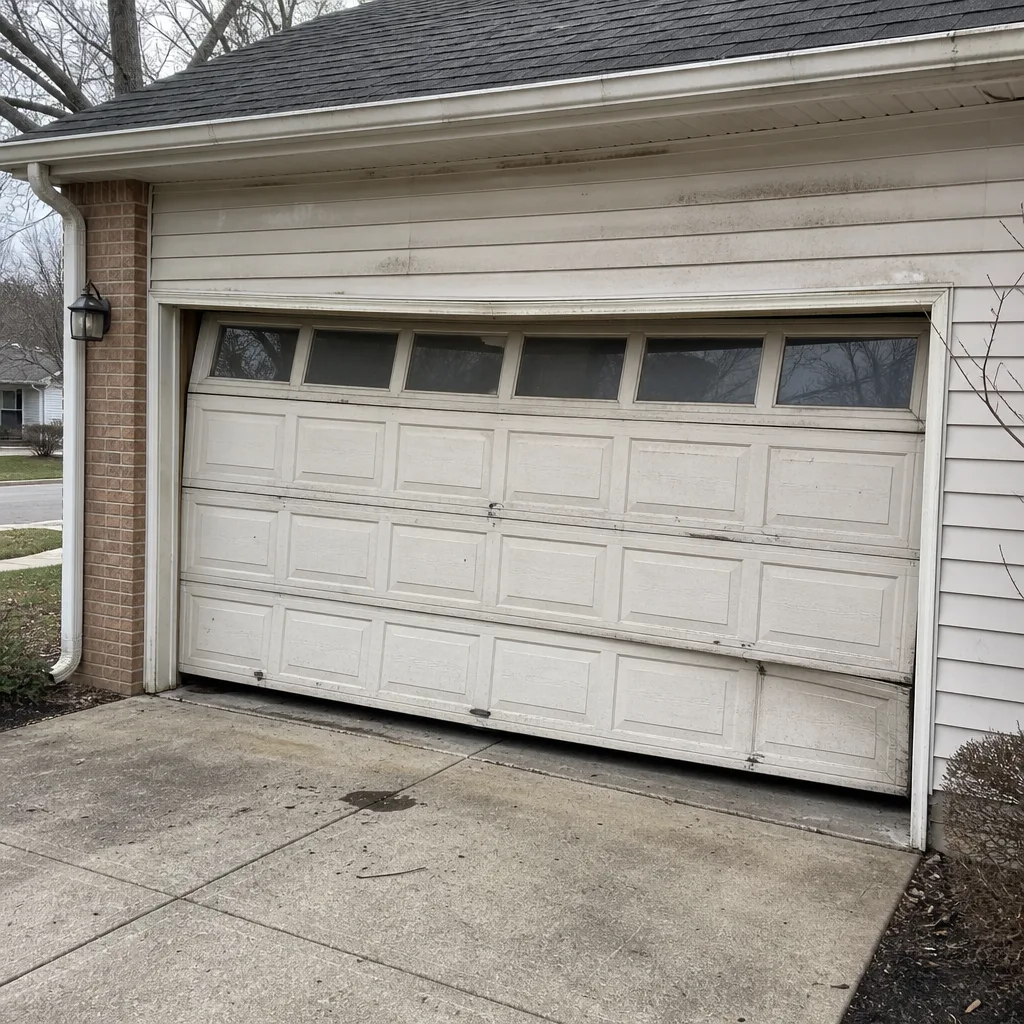 Before
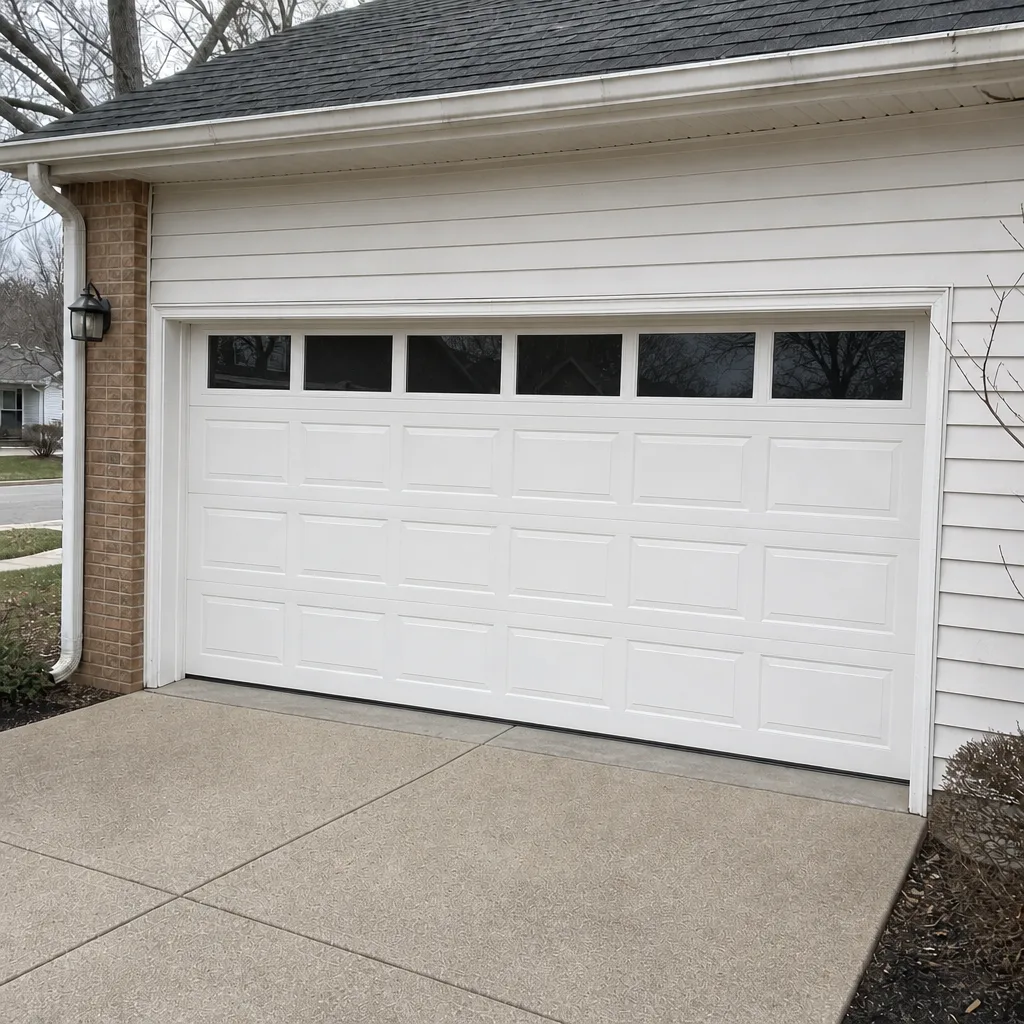 After
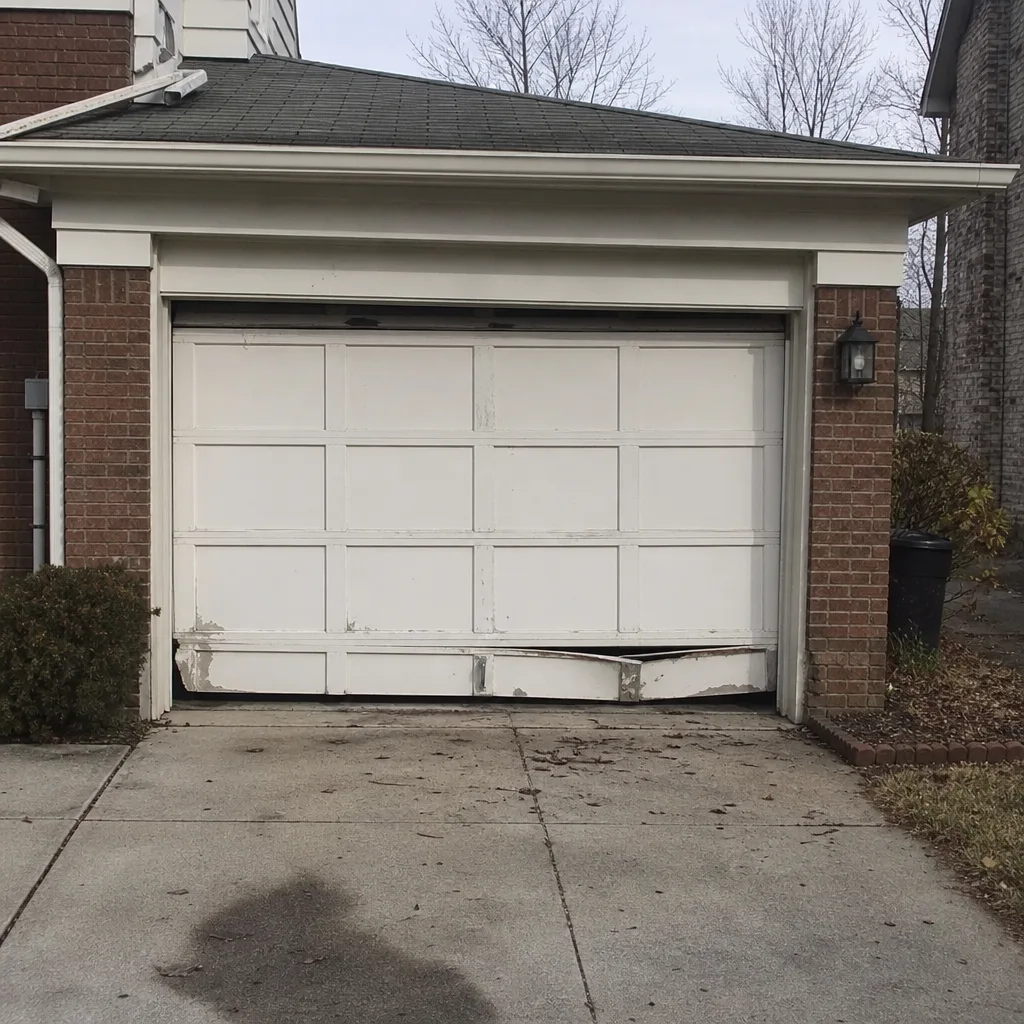 Before
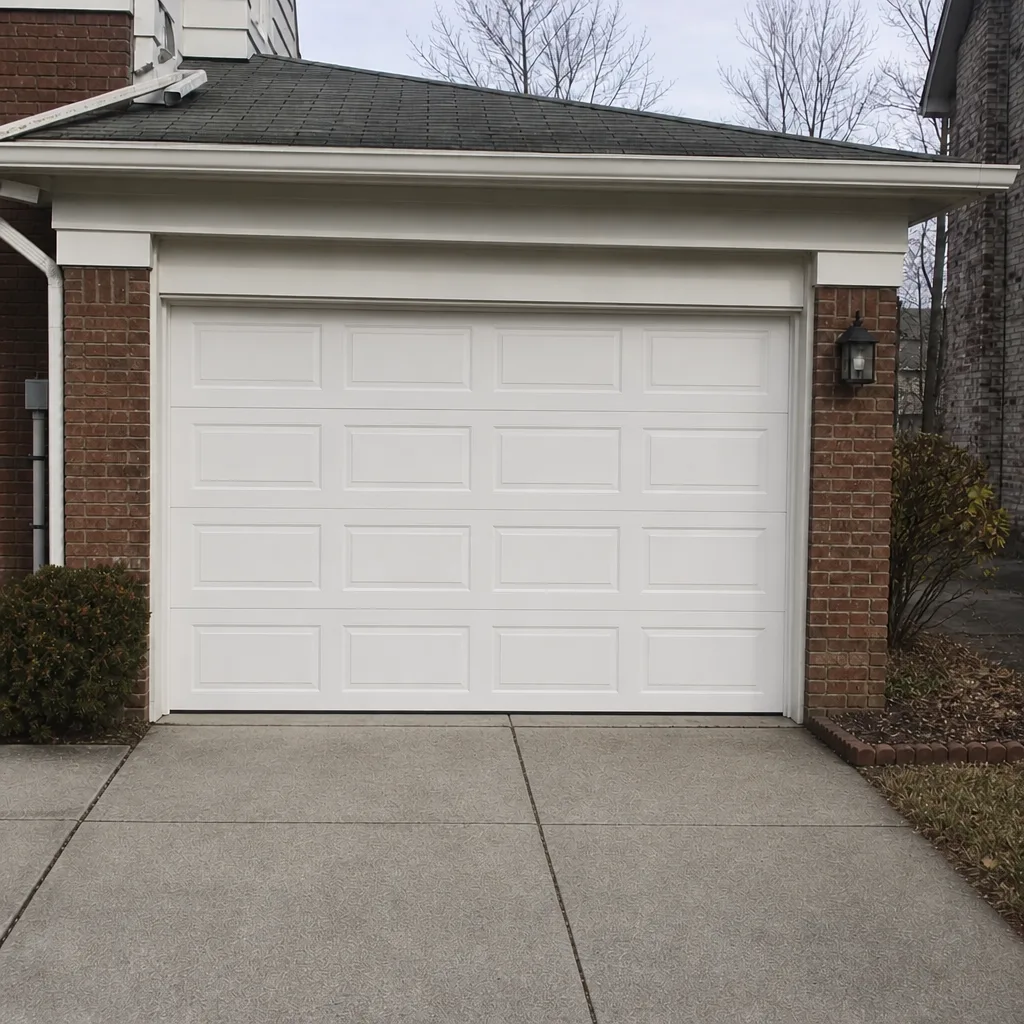 After
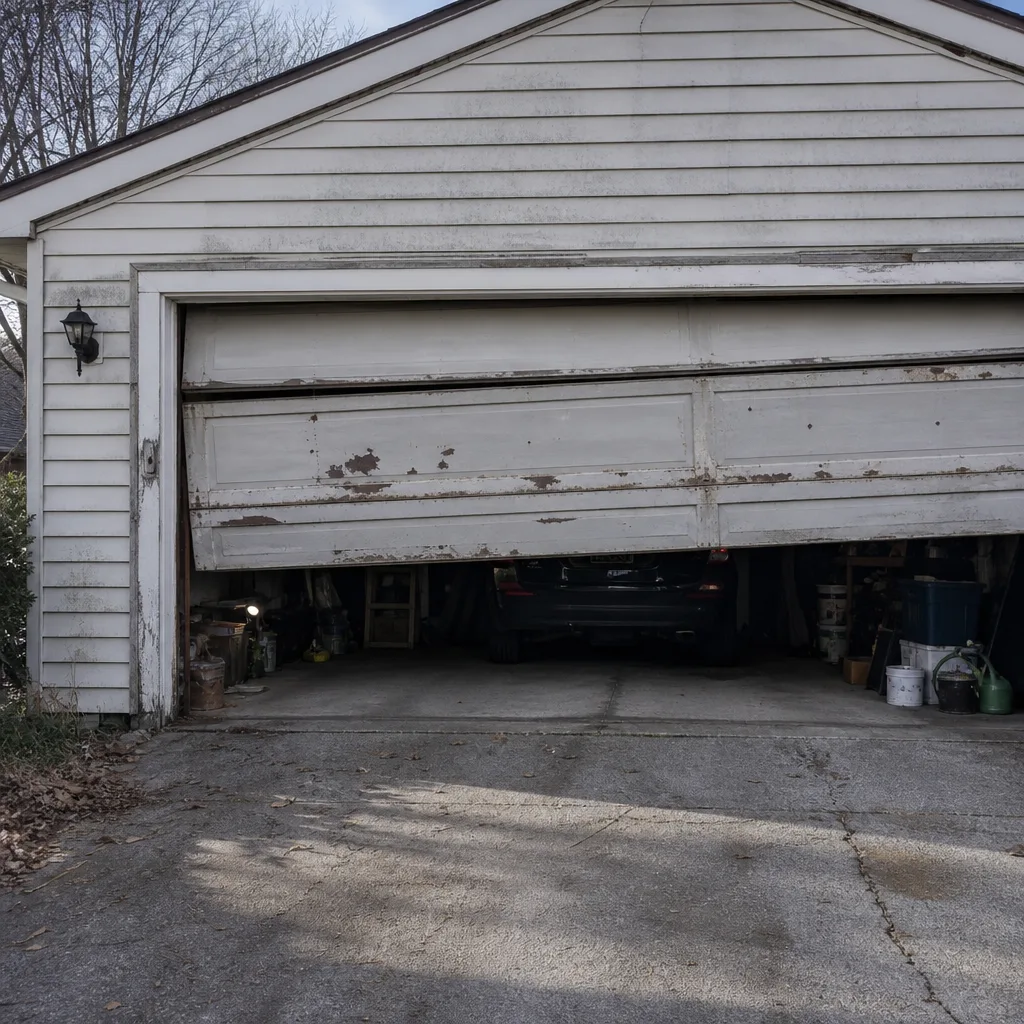 Before
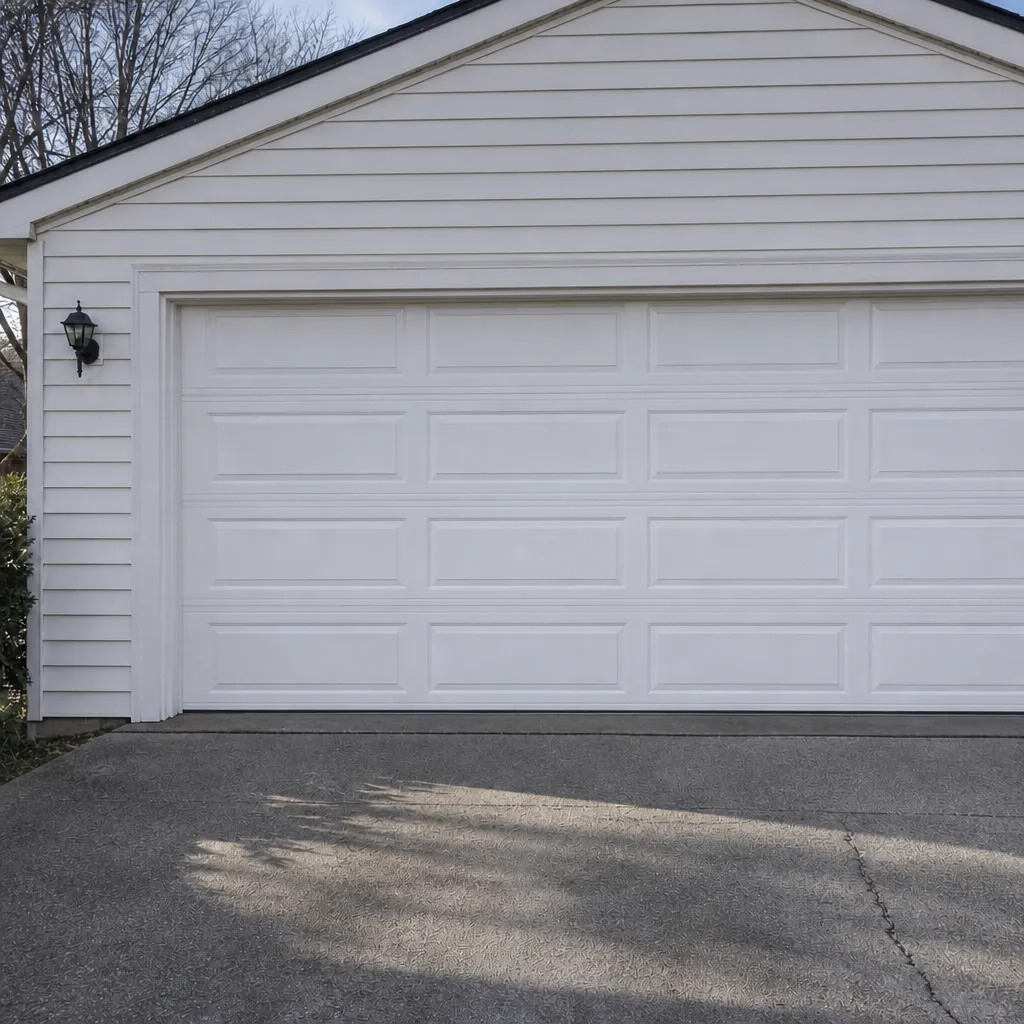 After
When to Call a Professional
Some warnings are yours to watch, but a few situations are always a call. If you see a gap in a spring, a frayed or slack cable, a door that hangs crooked, or one that won’t stay up, stop using it and call – those are safety issues, not tune-up items. The same goes for an opener that hums without moving the door, or a door that reverses mid-cycle and won’t stay down.
For slower signs – rollers, hinges, a slight track bend – a scheduled visit keeps small problems small. Hilliard Garage Door Repair Pros offers free estimates in Hilliard, and our technicians have up to 11 years of experience across the brands in your garage. Call (833) 918-9857. We answer 24/7, and fast dispatch runs from 7am to 7pm, Sunday through Friday.
Frequently Asked Questions
A door that lifts more slowly or struggles at the top of its travel is often the first sign, followed by a visible gap in the spring coil. Running a quick balance test can confirm whether the springs are still counterbalancing the door. If the door won’t hold position or looks crooked, stop using it and call for a professional look. For spring work in Hilliard, call (833) 918-9857 – estimates are free.
It usually sounds like a sharp pop or a gunshot crack, often followed by the door dropping or becoming very heavy. If you hear it, stop operating the door and don’t try to lift it by hand. That’s the moment to call a technician, and we can get a trained set of eyes on it quickly.
One torsion spring typically runs $180-$340, and since springs are almost always replaced as a matched pair, a pair costs about twice that. The written estimate you get after inspection sets the final price, and the price is quoted before any work starts. Call (833) 918-9857 for an exact quote – estimates are free.
Yes – a door stuck open is one of the situations we treat as urgent, since your home is left unsecured. We answer 24/7, and fast dispatch runs from 7am to 7pm, Sunday through Friday, so we can work to get a technician out the same day. Call (833) 918-9857 and we’ll sort out the timing.
Often not. A door that moves slowly or that the motor has to strain against usually has a spring or balance problem, not an opener failure. Fixing the underlying weight issue frequently saves the opener. We’ll check both before recommending anything, so you’re not paying for equipment you don’t need.
No. After we inspect the door, you get a written estimate, and that’s the price for the job you agree to. If we find something else that needs attention, we tell you before doing it so nothing is added without your okay. Call (833) 918-9857 to book a free estimate.
The Bottom Line
Garage door failures leave a trail, and it’s usually visible and audible weeks before the part lets go. Watch for the slow lift, the gap in the coil, the groan from the opener, the frayed cable. Run the sound and visual checks, and use the 30-second balance test every so often – those three habits catch most problems while they’re still small and cheaper to fix. In Hilliard, pay extra attention around the first freeze and the spring thaw. And when you see a stop-now sign, don’t operate the door. That’s when a trained technician makes the difference.
If anything on your door has you unsure, call Hilliard Garage Door Repair Pros at (833) 918-9857 for a free estimate. We answer 24/7, with fast dispatch from 7am to 7pm, Sunday through Friday. From a snapped spring to a full new installation, your door is our specialty.
Written by the team at Hilliard Garage Door Repair Pros.