
Last updated November 22, 2026
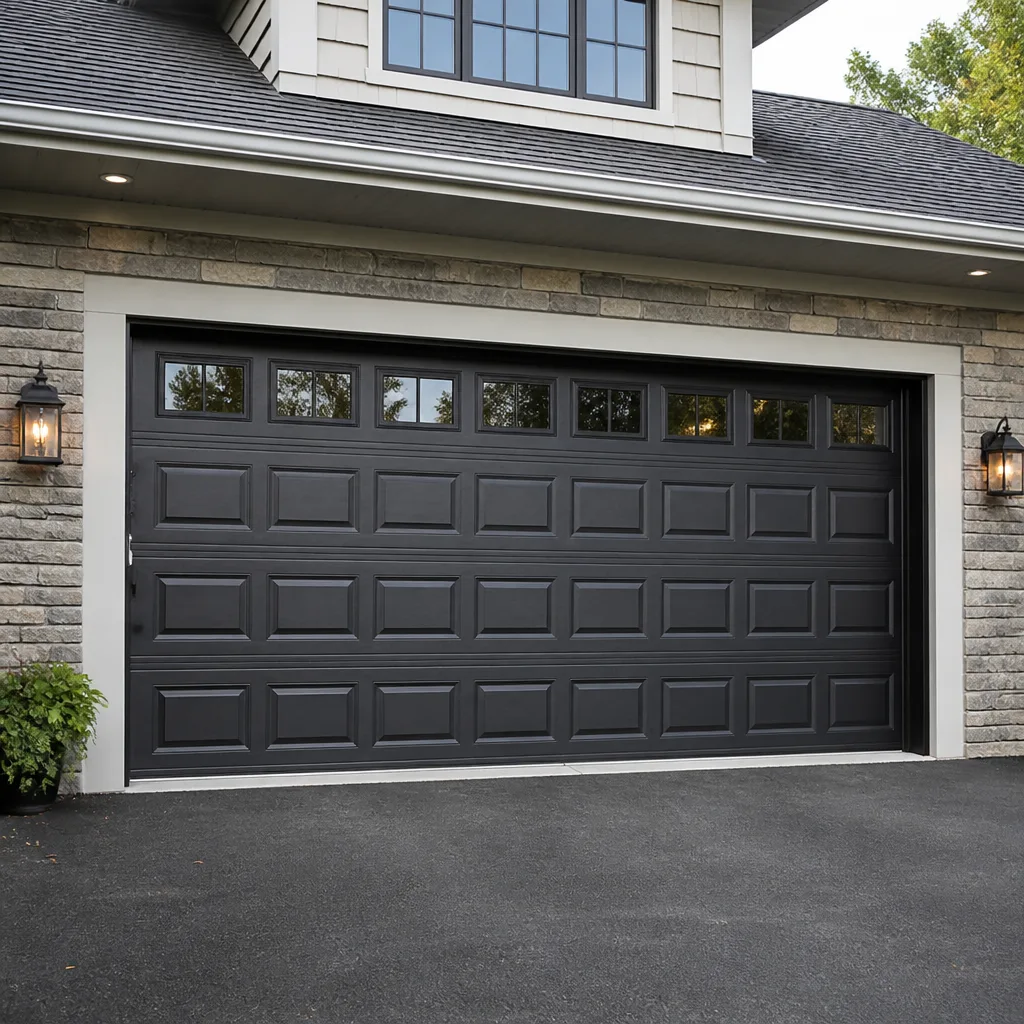 Raised-panel steel
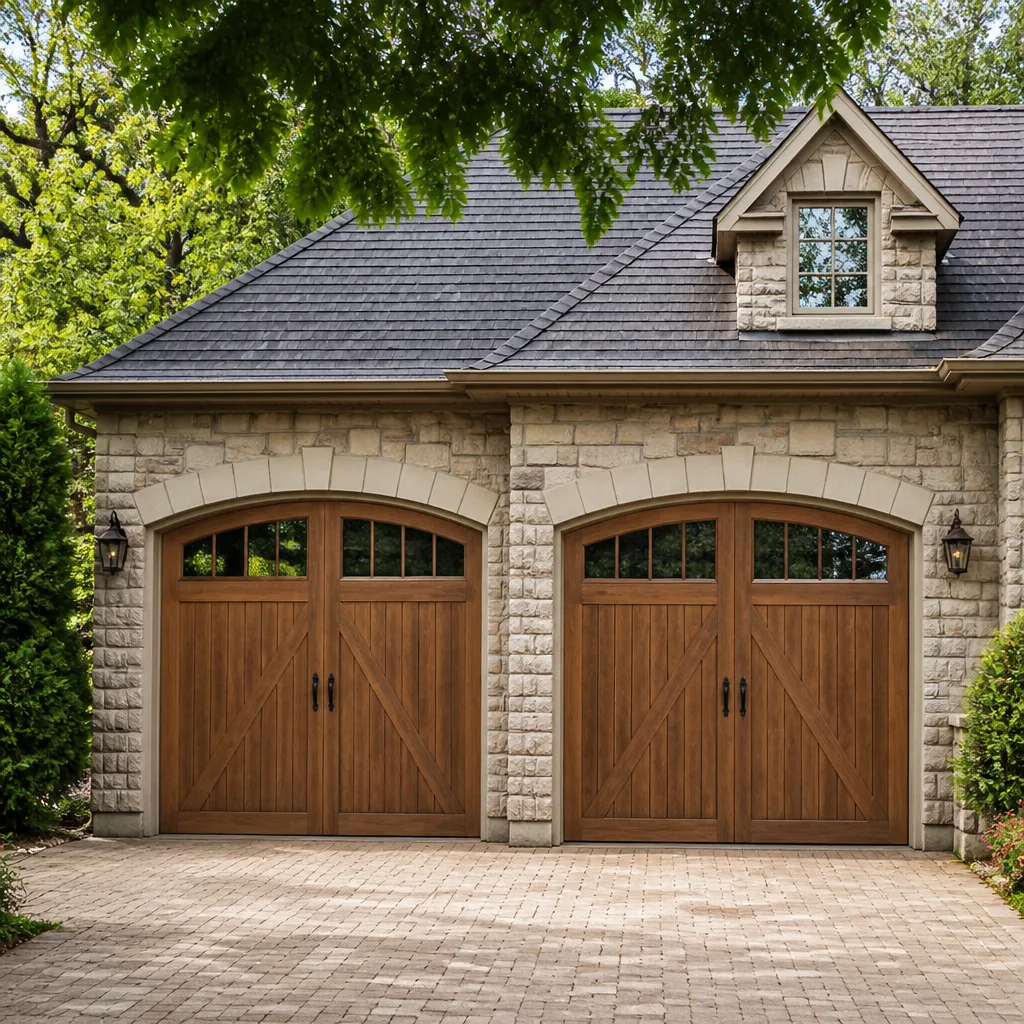 Carriage house
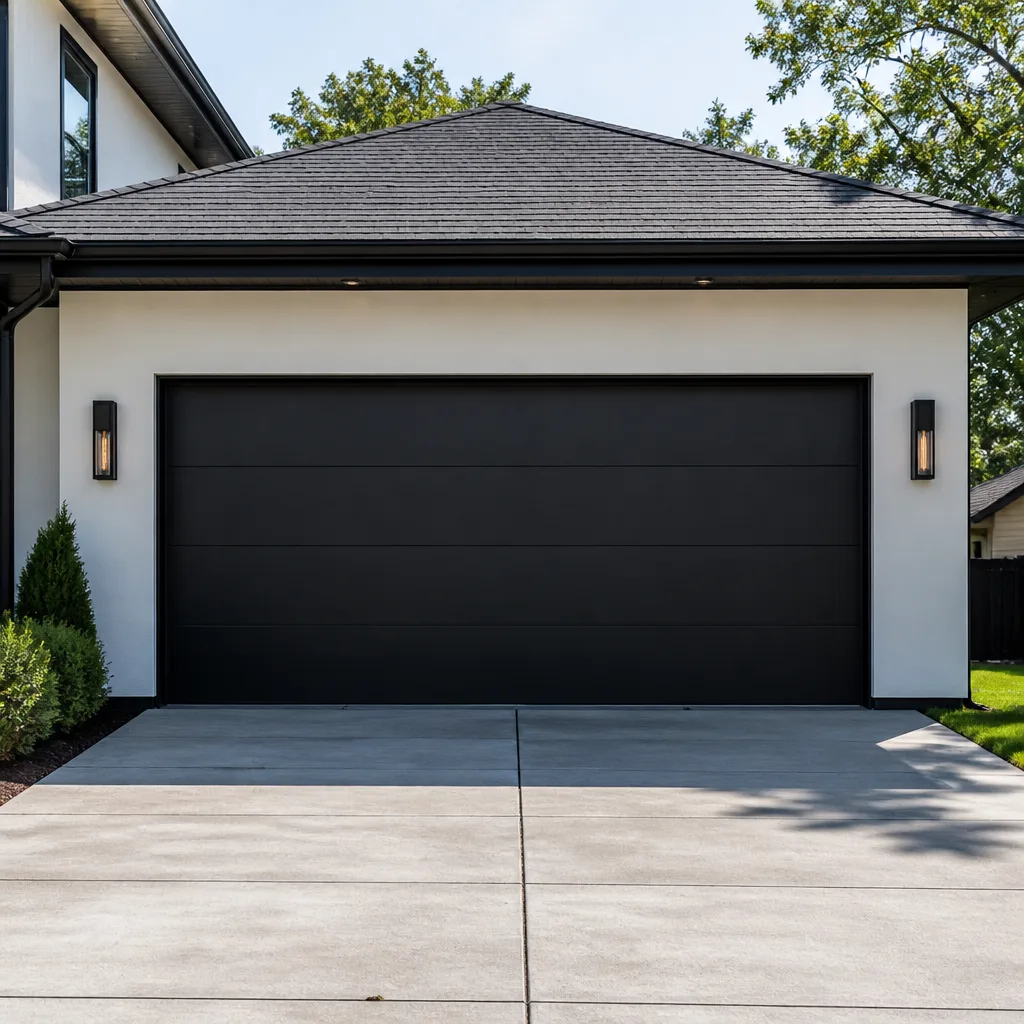 Modern flush
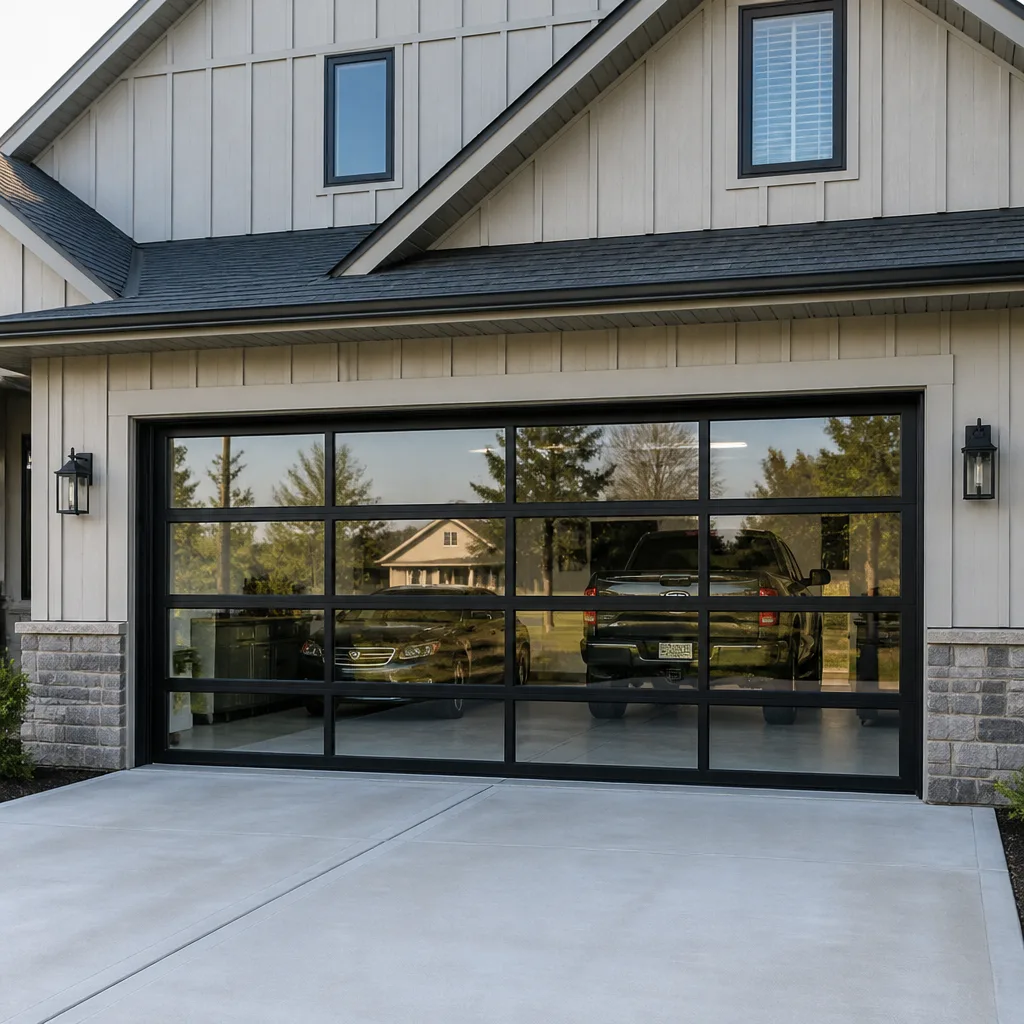 Full-view glass
 LiftMaster openers
 Chamberlain openers
Full 25-point door and opener safety check with every visit - springs, cables, rollers, tracks, and your LiftMaster or Chamberlain opener included
You get a price before we start. It does not change when the pro arrives.
Get your free estimateGarage Door Repair Troubleshooting in Hilliard: Common Problems and How to Fix Them
There are exactly four garage door problems a homeowner should touch themselves. Everything else is a liability waiting to happen, and confusing the two is the most expensive mistake in home repair. Most of the service calls we take in Hilliard could have been avoided with ten minutes of careful, hands-off diagnosis. And most of the injuries and doubled repair bills we hear about started with a homeowner who crossed the line without knowing where it was. This guide draws that line clearly. You’ll learn what each sound and symptom means, how Hilliard’s freeze-thaw winters push specific parts toward failure, and exactly which fixes are safe to try before you call.
Quick Answer
Most garage door problems in Hilliard fall into one of five categories: spring failure, opener trouble, roller or track wear, seal or weatherstripping damage, and sensor or remote faults. You can safely diagnose all five by listening, watching, and testing the door by hand. You can safely fix sensor misalignment, remote batteries, and manual-release issues yourself. Springs, cables, and anything involving the torsion assembly are professional-only work, no exceptions.
Styles & brands we work with
- Raised-panel steel
- Carriage house
- Modern flush
- Full-view glass
- LiftMaster openers
- Chamberlain openers
Table of Contents
- The Safe-DIY vs. Call-a-Pro Decision Tree
- What Your Door’s Sounds Are Telling You
- The Slow Door Diagnostic
- How Hilliard’s Freeze-Thaw Cycles Wear Out Your Door
- Why Torsion Springs Are Never a DIY Repair
- Opener Diagnostics: From Old Craftsman Units to Smart Openers
- Safe Workarounds While You Wait for a Technician
- Common Mistakes to Avoid
The Safe-DIY vs. Call-a-Pro Decision Tree
The single most useful skill in garage door troubleshooting is knowing what not to touch. A garage door is one of the heaviest moving objects in your home, suspended on high-tension springs that store enough force to cause serious injury in an instant. That doesn’t mean every problem needs a professional. It means you need a clear filter before you pick up a tool.
Work through this in order. Stop at the first item that applies to your situation.
- Is the door stuck open, stuck closed, or hanging crooked? Stop. Don’t force it. A crooked or hanging door usually means a broken spring or a cable off its drum, and running the opener makes both worse. Call for service.
- Is there a visible gap, snapped coil, or hanging piece above the door? Stop. That’s the spring assembly. Never attempt this repair yourself.
- Does the door move freely by hand when you pull the manual release? If yes, the springs and balance are probably fine and the problem is likely in the opener. If no, or if the door feels extremely heavy, the springs need attention.
- Did the door stop at the same point every time? That points to a travel limit or sensor issue on the opener, which you can usually diagnose safely from the ground.
- Are the safety sensors blinking or misaligned? This is safe DIY territory. Straighten them, clear the path, and retest.
- Is the door noisy but functional? Lubrication and a visual roller check are safe. Anything requiring you to remove hardware is not.
Our technicians have up to 11 years of experience, and the pattern holds across every one of them: the calls that turn into the biggest jobs are the ones where a homeowner kept running the opener on a door that was already compromised. If you’re ever unsure which branch of the tree you’re on, that’s the moment to pick up the phone rather than guess.
What Your Door’s Sounds Are Telling You
Your door is a mechanical system, and it talks. The type of noise narrows the failing component faster than any visual inspection. Here’s how we read the three most common sounds in Hilliard.
Grinding
Grinding usually points to metal-on-metal contact: dry or seized rollers, a roller that has jumped its track, or a torsion tube that’s running without lubrication. It tends to build gradually, which is why homeowners tune it out until the door starts binding. If the grinding is rhythmic and matches the door’s travel, suspect a roller or the track. If it happens in one spot only, look at the track alignment there.
Squealing
Squealing is typically friction from a dry hinge, a dry roller bearing, or a roller that’s flat-spotted. It’s the least urgent of the three sounds and the one most often fixed with proper lubrication on the correct points (not the tracks themselves, which should stay clean). If squealing persists after lubrication, a roller is likely worn and needs replacement. That’s a job to schedule rather than an emergency.
Popping
Popping is the sound that ends the diagnosis. A sharp pop, especially followed by the door suddenly feeling heavier or refusing to open, is the signature of a torsion spring breaking. In a Hilliard winter, that pop often happens on the first cold morning of a stretch, when the metal is at its most brittle. Stop using the door immediately. Don’t run the opener to “see if it works.” A door with a broken spring and a working opener will drag itself up unevenly and can bend panels, snap a cable, or drop. Call for professional garage door spring repair.
One useful rule: know whether your door has torsion springs (a horizontal bar above the door) or extension springs (running along the horizontal tracks on each side). Extension springs should have safety cables running through them. If yours don’t, add that to your list of things to have inspected. It’s a cheap safety improvement.
The Slow Door Diagnostic
A door that moves sluggishly has one of three problems, and they carry very different price tags and urgency levels. Getting the diagnosis right on the first try saves you from paying for the wrong repair. Run this test sequence in order.
- Pull the manual release and lift the door by hand. A well-balanced door lifts with one hand and stays put around halfway up. If it feels heavy or slams down, the springs have lost tension and are the problem. If it lifts easily, the springs are fine and the issue is downstream.
- Inspect the rollers. Worn nylon or steel rollers develop flat spots, seize, or lose their bearings. A door with seized rollers drags no matter how good the opener is. Roller replacement is routine maintenance and among the least expensive repairs in the trade.
- Check the opener’s force and travel settings. If springs and rollers are healthy but the door still moves slowly or unevenly, the opener’s force adjustment or travel limits may be off. Modern openers like LiftMaster and Chamberlain units use automatic force sensing and may be resisting a door that has a hidden bind.
Why does the distinction matter? Three problems, three different fixes, three different costs. A spring tension issue is a professional spring job. A roller problem is a lower-cost mechanical repair you could have scheduled weeks ago. An opener torque or force problem is a diagnostics call that sometimes resolves without any parts at all. Getting the sequence right means you pay for the repair you actually need rather than the one that “seemed likely.”
If the door is slow but otherwise functional, we’d rather you schedule it than wait for it to fail outright. A dragging door works its rollers and opener harder with every cycle, so the eventual repair tends to be bigger than the original problem. That’s a good reason to book a free estimate rather than ride it out through the season.
How Hilliard’s Freeze-Thaw Cycles Wear Out Your Door
Hilliard sits in a climate with genuinely distinct winters and summers, and that seasonal swing puts specific stress on a garage door that homeowners in warmer parts of the country simply don’t see. The mechanism is simple: water gets into gaps, freezes, expands, thaws, and repeats. Over a winter, that cycle works on the parts that seal and align your door.
Bottom seals take the hardest hit
The bottom seal is your door’s weather barrier. When water collects on the apron of the driveway or the garage floor and freezes against the seal, the rubber stiffens, cracks, and loses its ability to conform to the floor. A worn seal lets in cold air, moisture, and sometimes pests. If you notice daylight under the door or a draft at the base, the seal has likely hardened through one too many freeze-thaw cycles. Replacement is inexpensive and worth doing before another winter.
Rollers and tracks shift with the ground
Freeze-thaw movement in the ground around the garage shifts the slab slightly, and that movement transfers into the tracks. Over time, tracks can bow inward or outward, and the door starts binding or rubbing against them. Rollers take the wear when that happens. If you notice the door getting noisier or rougher in late winter and then smoothing out in spring, track alignment is a likely culprit. It’s worth having checked before it wears out a set of rollers.
Wood and hardware expand and contract
Older wood doors in Hilliard’s neighborhoods are especially sensitive to this. Joints tighten in summer humidity and loosen in winter dry air, and hinges and brackets shift with them. That’s normal, but it means hardware needs periodic retightening and inspection. Rotted bottom sections are common on aging wood doors where the seal has failed. Once rot is in the bottom panel, patching is usually a short-term fix. We’ve seen enough of these to know that the decision between repair and replacement often comes down to how much of the door is sound.
None of this means every hilliard garage door is falling apart. It means these are the parts worth checking every year before the cold arrives: the bottom seal, the track alignment, and the rollers. A fifteen-minute annual inspection catches most of it.
Why Torsion Springs Are Never a DIY Repair
We’ll be direct here, because this is the part of the guide where being polite gets people hurt. Torsion springs are under extreme tension at all times, even when the door is closed and looks relaxed. They’re the component that counterbalances a door that can weigh several hundred pounds. When you see a video of someone replacing a spring, you’re watching a carefully timed sequence involving specific tools and controlled release of stored force. Get it wrong, and the spring or cable can release with enough force to break bones.
A few hard facts worth knowing about spring jobs:
- Torsion springs are marked with a color code that identifies their wire size, inside diameter, and expected cycle life. Matching that code correctly is essential; a wrong spring fails early and can damage the door.
- Cables near a broken spring can be loose. Never touch the cables on a door with a broken spring, even if they look slack. They can snap back without warning.
- Springs usually fail in pairs. When one breaks on a two-spring door, the other is at similar age and stress and is likely to fail soon. Replacing both together is standard practice for a reason.
- The door must be balanced after the job. A spring replacement is only done when the door’s weight is evenly supported. A professional balances and tests every job before handing the door back.
Our dedicated spring service exists precisely because this repair is where DIY mistakes do the most damage. It’s not a commodity job, and it shouldn’t be treated as one. If you’ve got a snapped spring or a door that won’t lift, don’t run the opener and don’t try to force it. Call instead. We’ll get a trained technician out to handle the springs with the right tools and matched parts, and we’ll balance the door before we leave.
Opener Diagnostics: From Old Craftsman Units to Smart Openers
Opener problems often mimic door problems, and vice versa. Sorting one from the other is half the battle. Here’s how to narrow it down from the ground, without tools.
- Opener runs, door doesn’t move. Check the manual release. If it’s been pulled (often by a child or during a power outage), the door is disconnected. Reconnecting it is safe and simple.
- Door moves but the opener light flashes or beeps. This usually points to a safety sensor issue or an obstruction. Clear the path, check the sensor lenses for cobwebs, and align the two sensors so their indicator lights are solid.
- Remote works intermittently. Replace the battery before anything else, then retest. If a second remote behaves the same way, the receiver in the opener is the likely culprit.
- Door reverses immediately after closing. This is almost always force sensitivity reacting to a bind, a swollen seal, or a track issue. Don’t keep raising the force setting to compensate. The opener is telling you something in the door needs attention.
- Wall button works, remotes don’t (or vice versa). A wiring or receiver problem on the opener side. Worth a call.
Openers are also where we see the widest range of hardware in Hilliard. Plenty of homes still run dependable older Craftsman or Raynor units that have decades of service left in them, and plenty of newer homes have moved to smart openers in the LiftMaster and Chamberlain myQ ecosystem, where the door is tied to a phone app and home automation. Both ends of the spectrum are everyday work for us, and we don’t push replacement when a fix will do. If your opener needs attention, book garage door opener repair and we’ll diagnose it on site.
One thing we’d ask: if your opener is failing intermittently, make a note of when it happens. Cold mornings, hot afternoons, after a power flicker, only on the first press. That pattern often does more to isolate the fault than an hour with a multimeter.
Safe Workarounds While You Wait for a Technician
Some workarounds are safe and will get you through to the appointment without extra damage. Others are the reason a small repair becomes a big one. Here’s the split.
Safe while you wait
- Use the manual release. If you need to get a car in or out, pull the release handle and move the door by hand. Only do this if the door is balanced and moves without excessive effort. Never force a door that’s stuck, hanging, or dragging.
- Lock the door mechanically. If the door is closed and secure, lock it at the slide bolt or use a locking bar. This keeps the house secured while you wait for the repair without adding stress to the system.
- Park outside if you can. If the door is open and won’t close, leave the vehicle outside, don’t prop the door, and get it fixed as soon as possible.
- Record the pattern. Write down the exact sound, when it happens, and whether the door stalls in the same spot. That saves diagnostic time on the visit.
Workarounds that cause extra damage
- Running the opener on a broken spring. The opener will try to lift a door that weighs far more than it was rated for, and it will either strip the gear or bend the door.
- Forcing a crooked door. A crooked door means a spring or cable has failed. Every attempt to move it risks a panel, a roller, or the person doing the pushing.
- Adjusting the force limits to compensate for a bind. This disables a safety feature. It doesn’t fix the underlying problem and can lead to the door closing on an obstruction.
- Wedging the door open or closed. Shims and blocks can slip and either drop the door or spring loose when you least expect it.
- Spraying lubricant in the tracks. Lubricated tracks collect grit and can cause the rollers to slide rather than roll. Lubricate the rollers and hinges, not the track surface.
If you’re not sure whether your door is safe to move, call first. We’d rather answer that question than quote a repair for the aftermath. Hilliard Garage Door Repair Pros offers free estimates in Hilliard, and our phone line is answered around the clock. Call (833) 918-9857. We answer 24/7. Fast dispatch from 7am to 7pm, Sunday through Friday.
Common Mistakes to Avoid
- Assuming the opener is the problem when it’s really the springs. A slow or heavy door with a working opener is almost always a balance issue, not an opener issue. Diagnose the door by hand before you spend a penny on opener parts.
- Ignoring a stiff bottom seal through the winter. A hardened seal lets in more water, which feeds the freeze-thaw cycle that damages tracks and rollers next. Replace it before the cold, not after.
- Buying a replacement spring at a big-box store without matching the color code. A spring that isn’t matched to your door’s weight will fail early and can damage hardware on its way out. Springs aren’t universal.
- Lubricating the tracks. The tracks should stay clean and dry. Lubricant on the track surface produces a gummy film that grabs grit and wears out rollers faster. Lubricate the moving parts, not the guide.
- Raising the opener’s force setting to make the door close. The force setting exists to protect people. If a door won’t close at normal force, something in the door is binding. Fix the bind, not the setting.
- Hiring a general handyman for a spring or track job. Garage doors are a specialty. Generalists often lack the tools for spring work and the parts to match your door. A single-trade specialist will do it right the first time.
- Putting off scheduling a repair because the door “still opens.” Doors fail hard and fast once a component is worn. A booked appointment is almost always cheaper than an emergency call on a morning the door won’t open.
See the difference
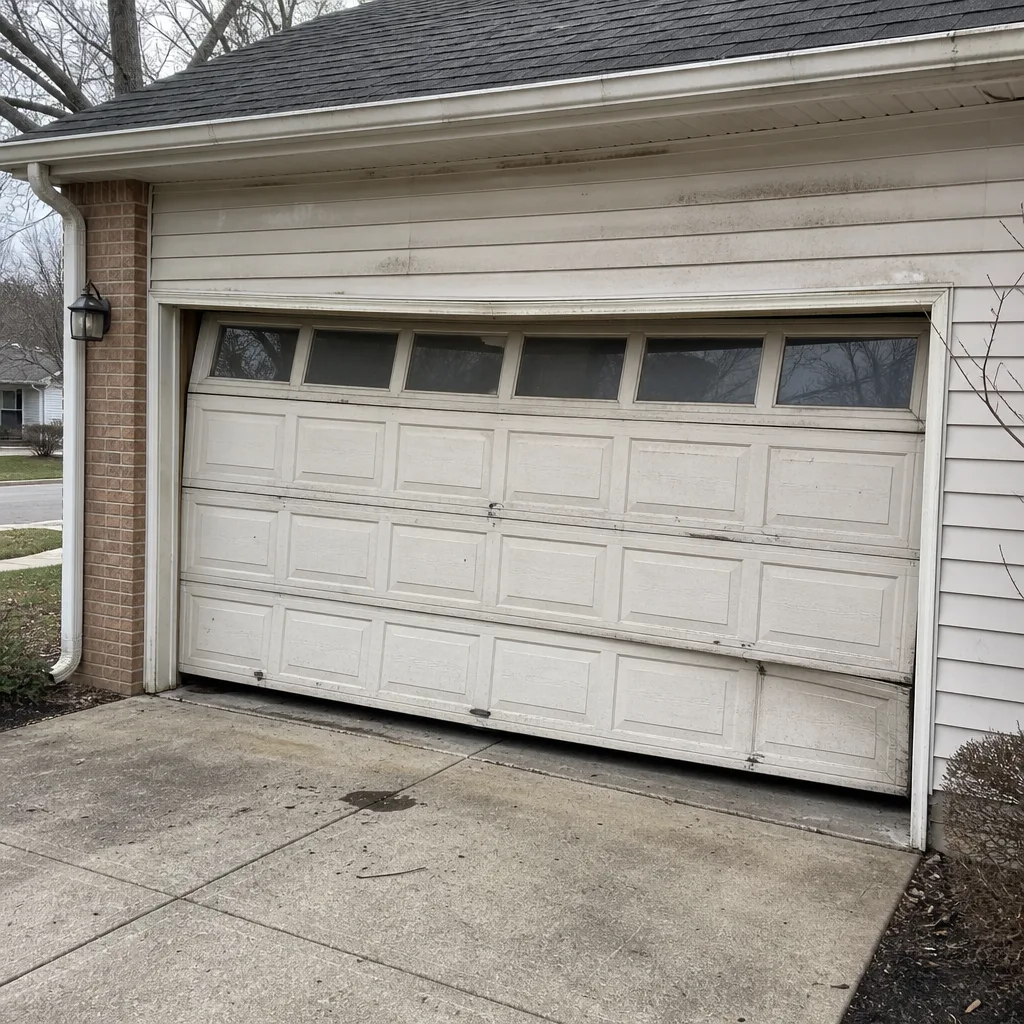 Before
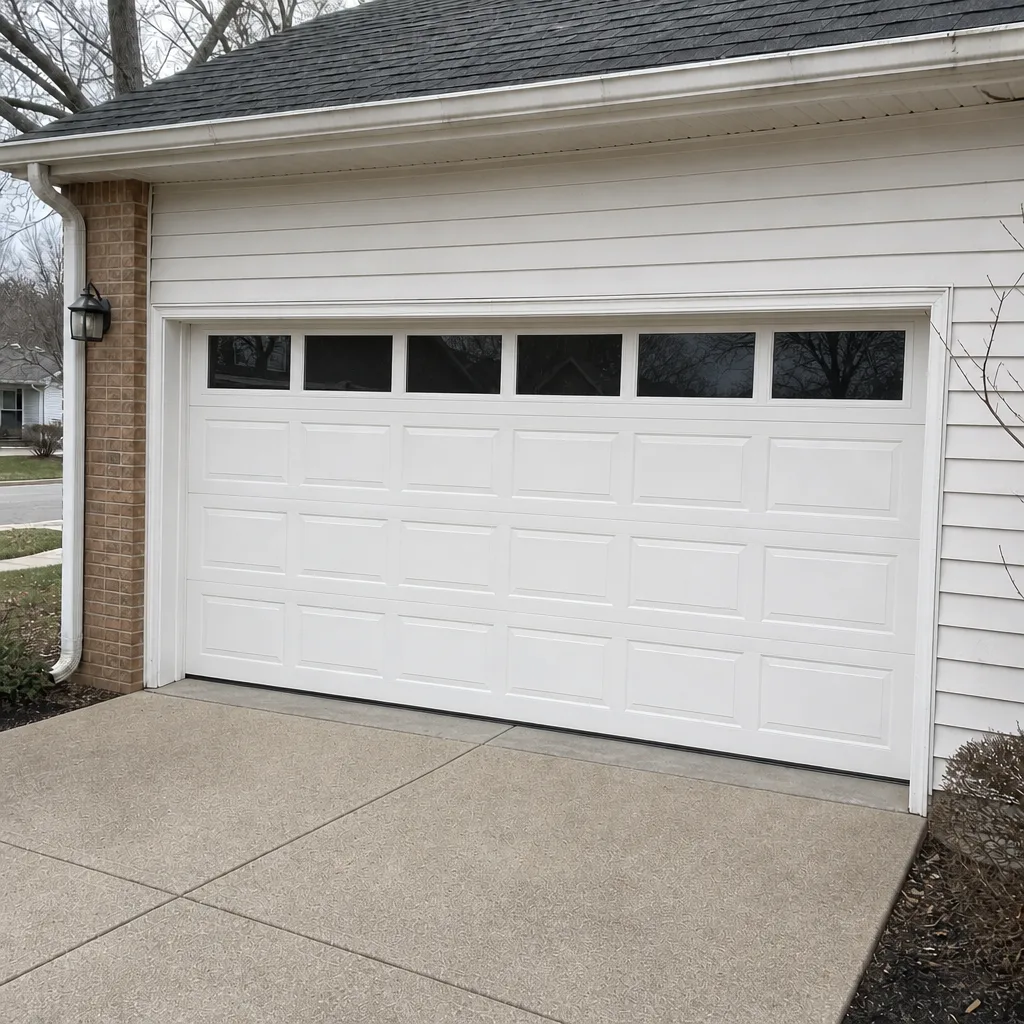 After
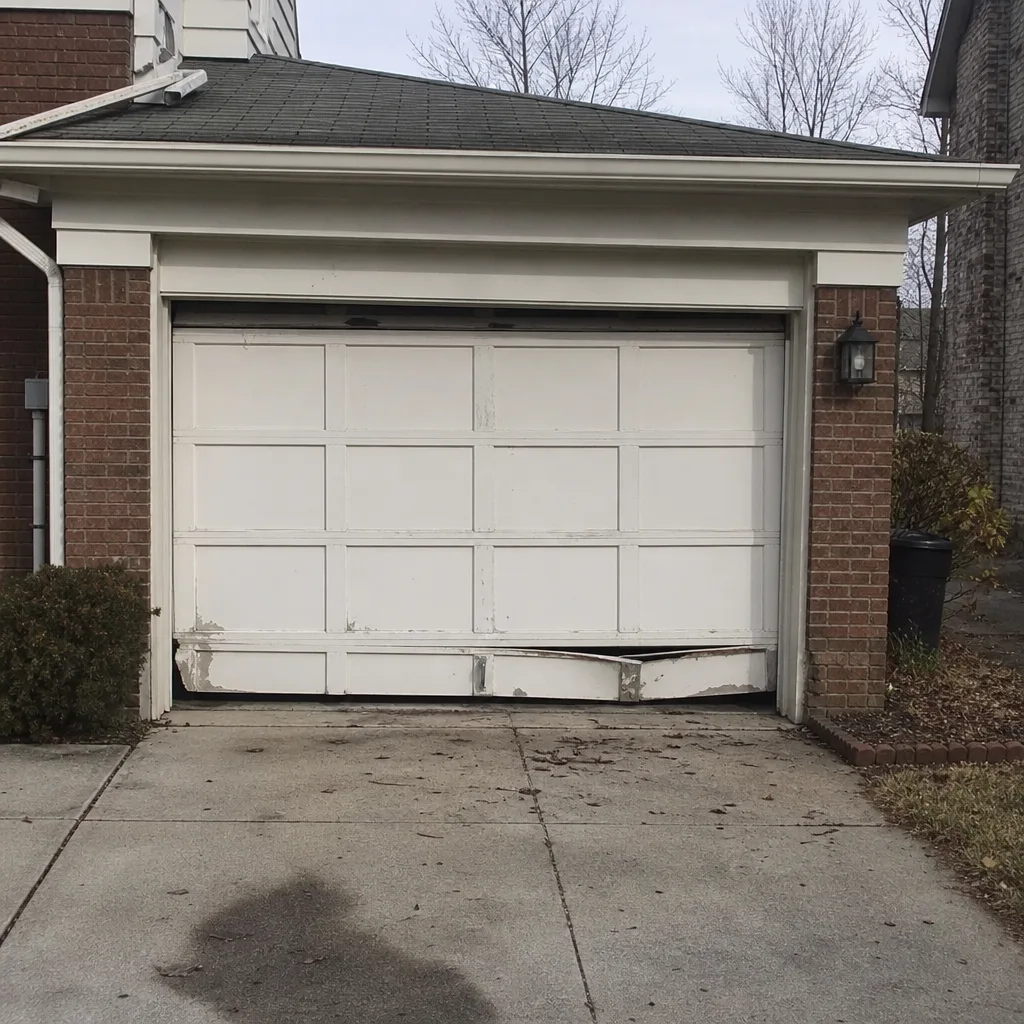 Before
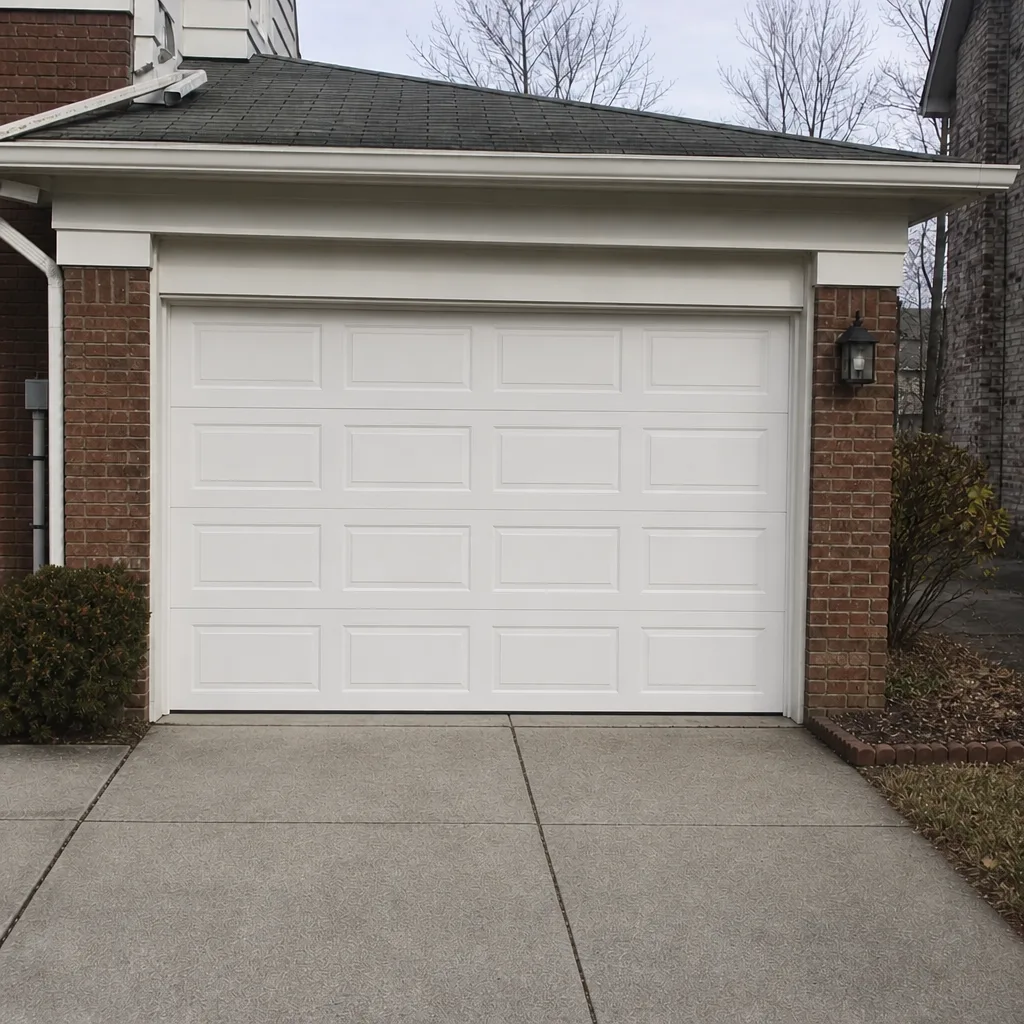 After
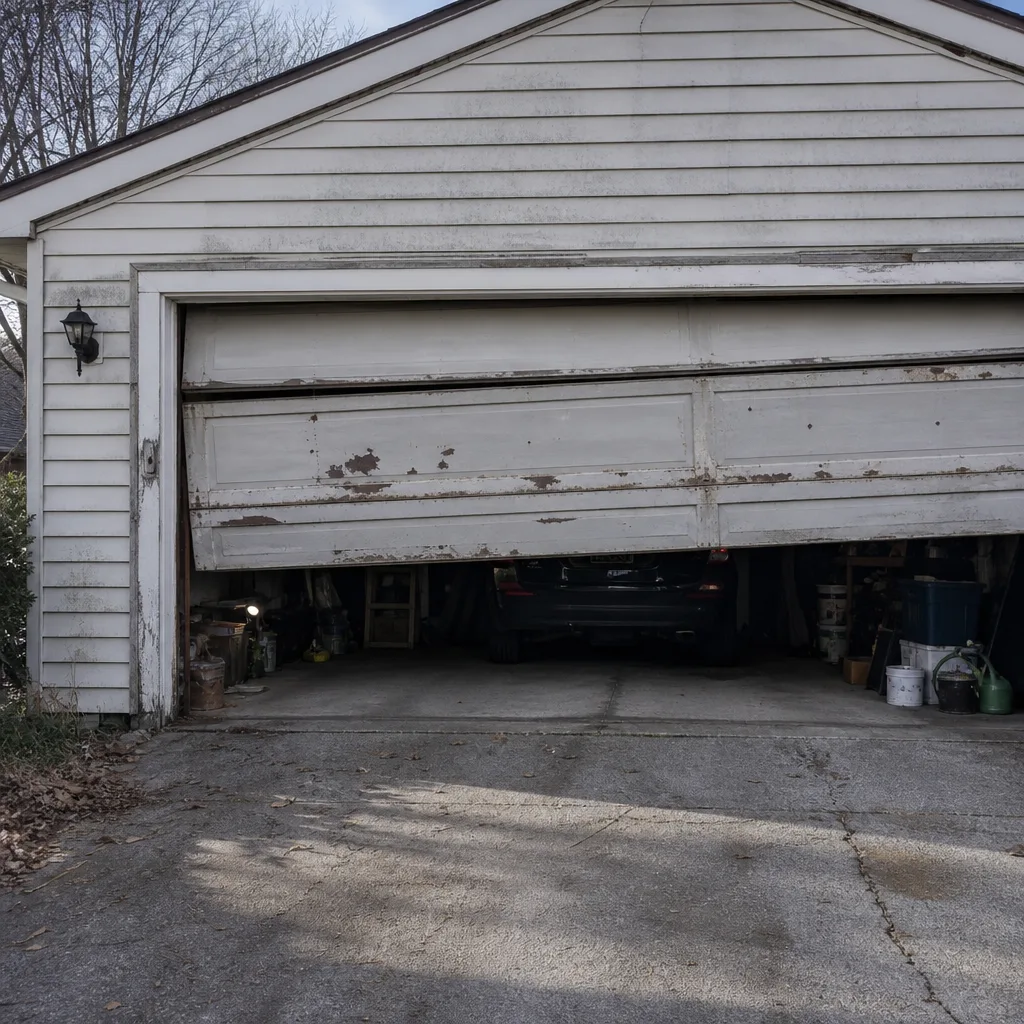 Before
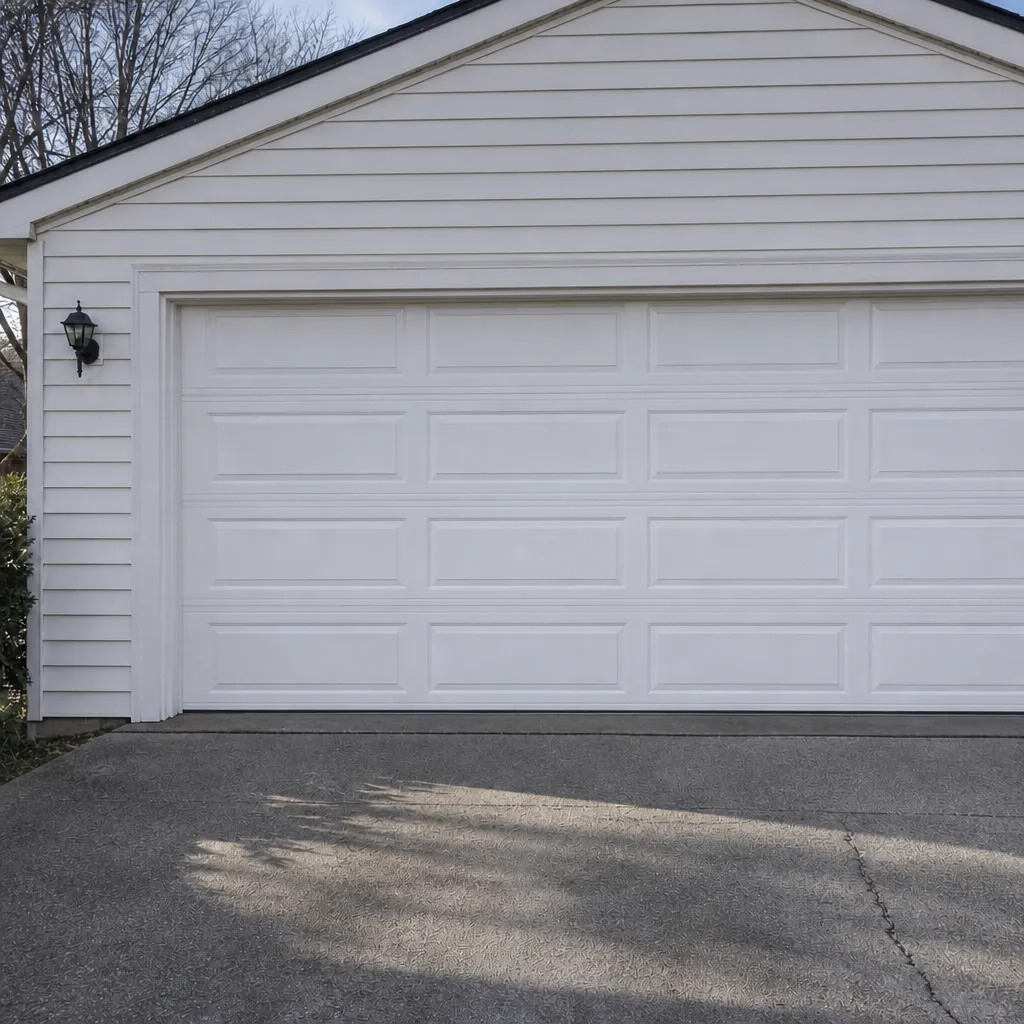 After
When to Call a Professional
Call a professional in any of these situations: the door won’t open or close and the opener isn’t the problem; you hear a pop and the door suddenly feels heavy; the door hangs crooked or is off its track; you see a broken spring, a slack cable, or hardware that’s detached; the door reverses repeatedly and won’t stay closed; or the opener runs but the door doesn’t move after the manual release is checked. We’d also suggest calling if you simply don’t know which category the problem falls into. A diagnostic visit is the cheapest way to stop guessing.
Hilliard Garage Door Repair Pros offers free estimates in Hilliard. Our technicians have up to 11 years of experience across the eight most widely installed residential door and opener brands, from Wayne Dalton and Raynor doors to LiftMaster and Chamberlain smart openers. We handle repair, spring work, opener service, and full new installation, so a single call covers whatever the diagnosis turns up. Call (833) 918-9857 for an exact quote – estimates are free.
Frequently Asked Questions
Typical repair cost in Hilliard depends on the component: simple fixes like sensors, rollers, or remotes are inexpensive, while spring replacement and track realignment cost more because they require trained labor and matched parts. Your written estimate sets the final price before any work starts. Call (833) 918-9857 for an exact quote – estimates are free.
Yes, we offer emergency garage door service for situations where the home is unsecured or a vehicle is trapped. Call (833) 918-9857. We answer 24/7. Fast dispatch from 7am to 7pm, Sunday through Friday. A call outside dispatch hours is booked into the next opening.
No. Torsion springs are under extreme tension and can release with enough force to cause serious injury, so this repair should always go to a trained technician. Don’t run the opener on a broken spring either; that can bend the door or snap a cable. Call (833) 918-9857 for professional spring repair.
Hilliard’s freeze-thaw cycles stiffen the bottom seal, shift the tracks, and dry out hardware, which is why doors often get louder in winter. Rollers and hinges may also need lubrication or replacement after a cold stretch. If the noise comes with binding, book an inspection. Call (833) 918-9857.
No. The written estimate we give you is the price for the job, and we confirm it with you before any work starts. If we find something additional during the visit, we’ll show you and quote it separately before we touch it. Call (833) 918-9857 for a free estimate.
Yes. We service both legacy opener systems, including older Craftsman and Raynor units, and smart-home-integrated LiftMaster and Chamberlain myQ openers. We also service the doors themselves across LiftMaster, Chamberlain, Genie, Clopay, Amarr, Wayne Dalton, Craftsman, and Raynor. Call (833) 918-9857 to book.
Pull the manual release and lift the door by hand. If it feels heavy or won’t stay put halfway up, the springs need attention. If it lifts easily but runs slow under the opener, the rollers or opener settings are the likely cause. Call (833) 918-9857 and we’ll confirm on site.
Yes. We handle repair through full installation, so a single call covers anything from a snapped spring to a brand-new door. Installation is scheduled after measure and order, and you get a written price first. To book garage door repair or a new install, call (833) 918-9857.
The Bottom Line
Most garage door problems fall into five categories, and most Hilliard calls can be narrowed down by listening for the sound, testing the door by hand, and checking the opener’s sensors and limits from the ground. The line between safe DIY and professional work is clear: sensors, remotes, seals, lubrication, and manual release are yours to handle. Springs, cables, torsion assemblies, and anything involving a crooked door belong to a trained technician. When in doubt, don’t force it. A quick call is always cheaper than a bend in the door. Hilliard Garage Door Repair Pros handles repair, spring work, opener service, and installation for every brand in your garage. Call (833) 918-9857 for a free estimate. We answer 24/7. Fast dispatch from 7am to 7pm, Sunday through Friday.
Written by the team at Hilliard Garage Door Repair Pros.