
Last updated November 22, 2026
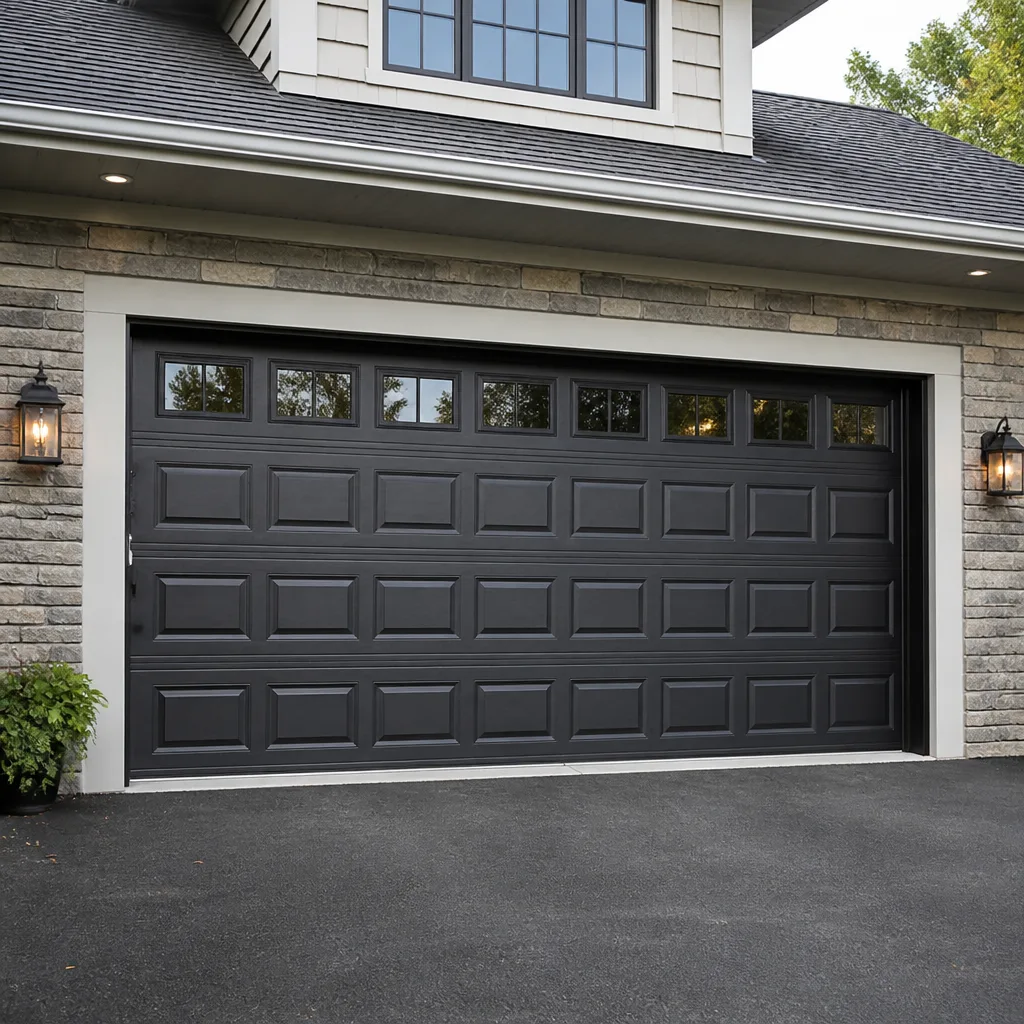 Raised-panel steel
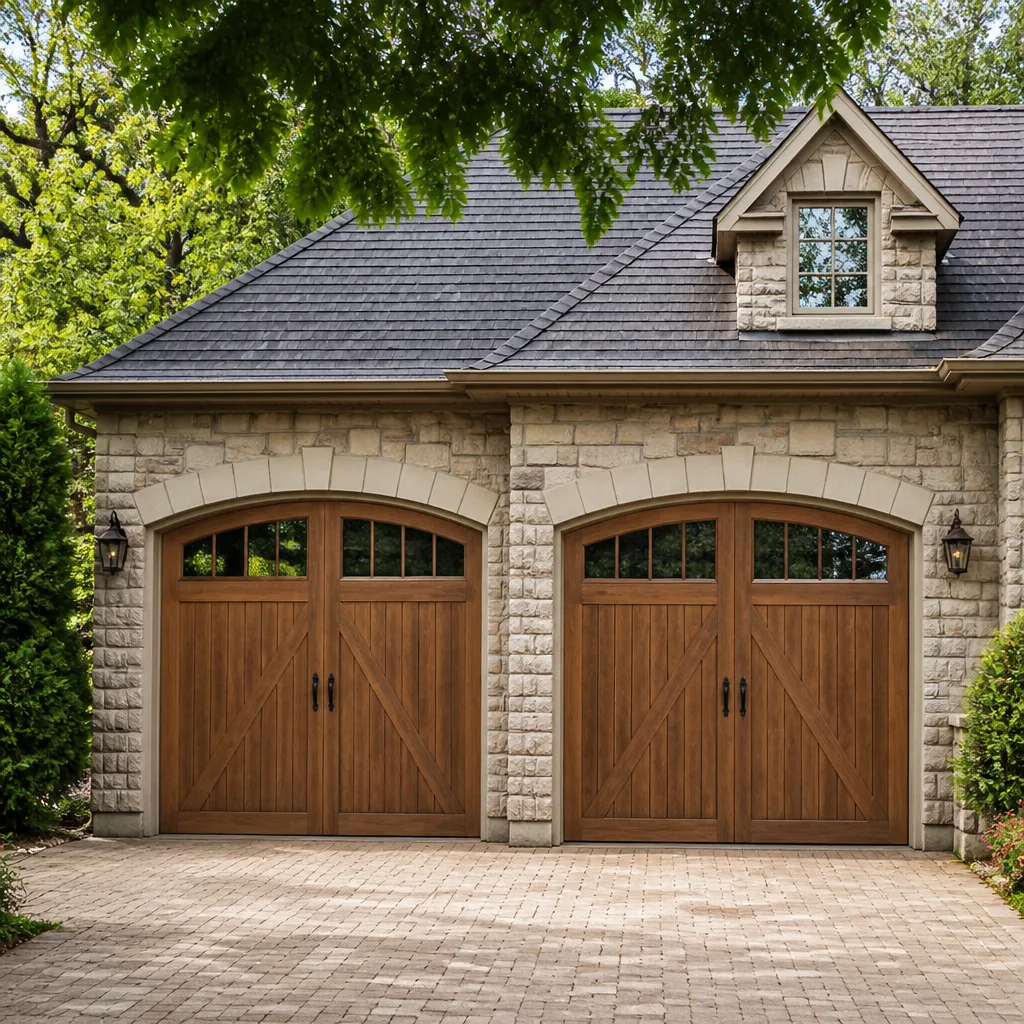 Carriage house
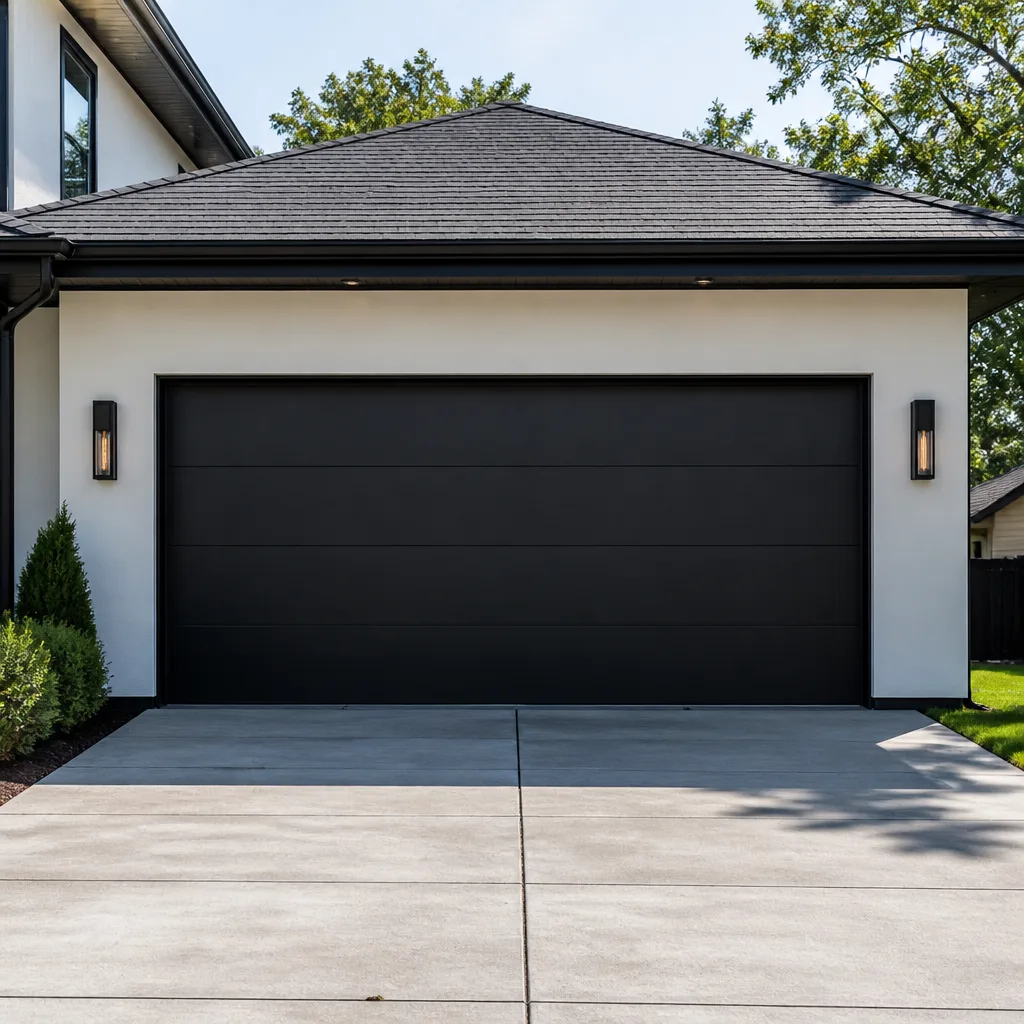 Modern flush
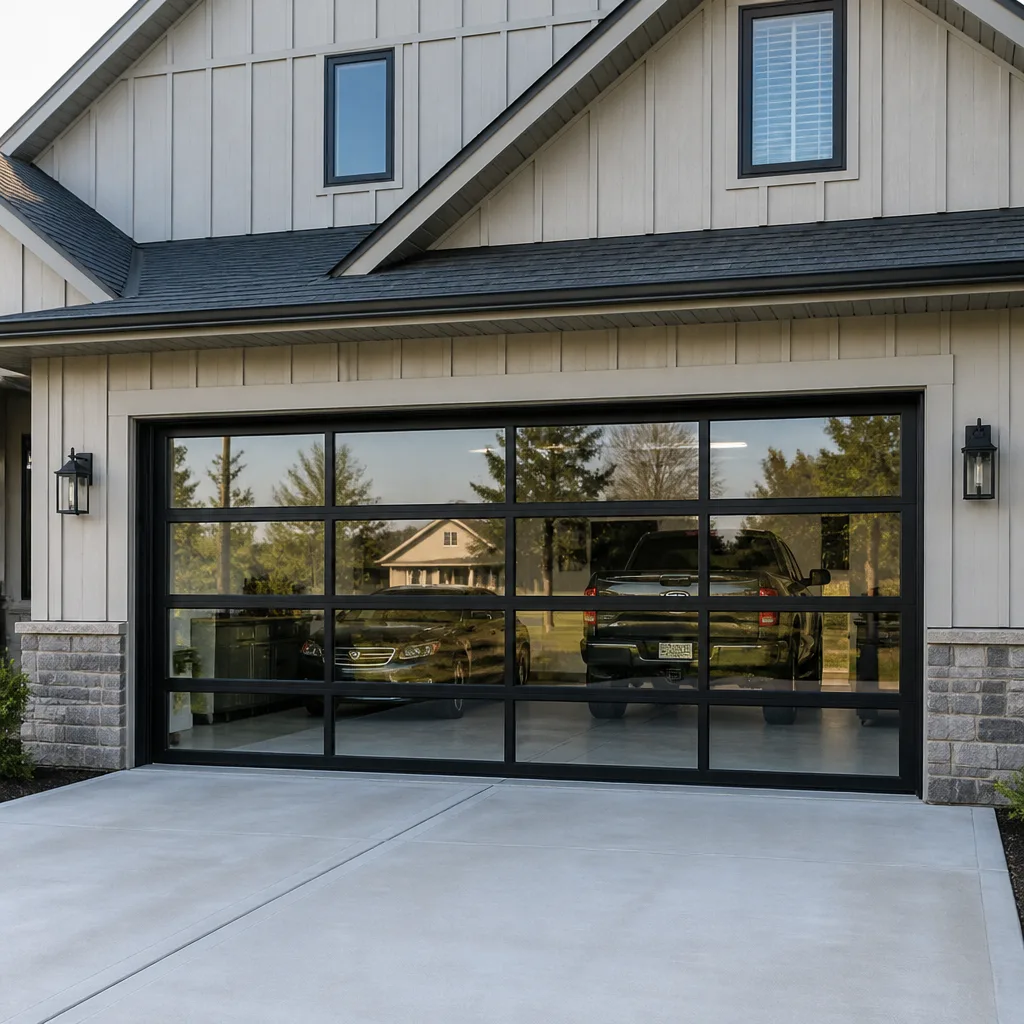 Full-view glass
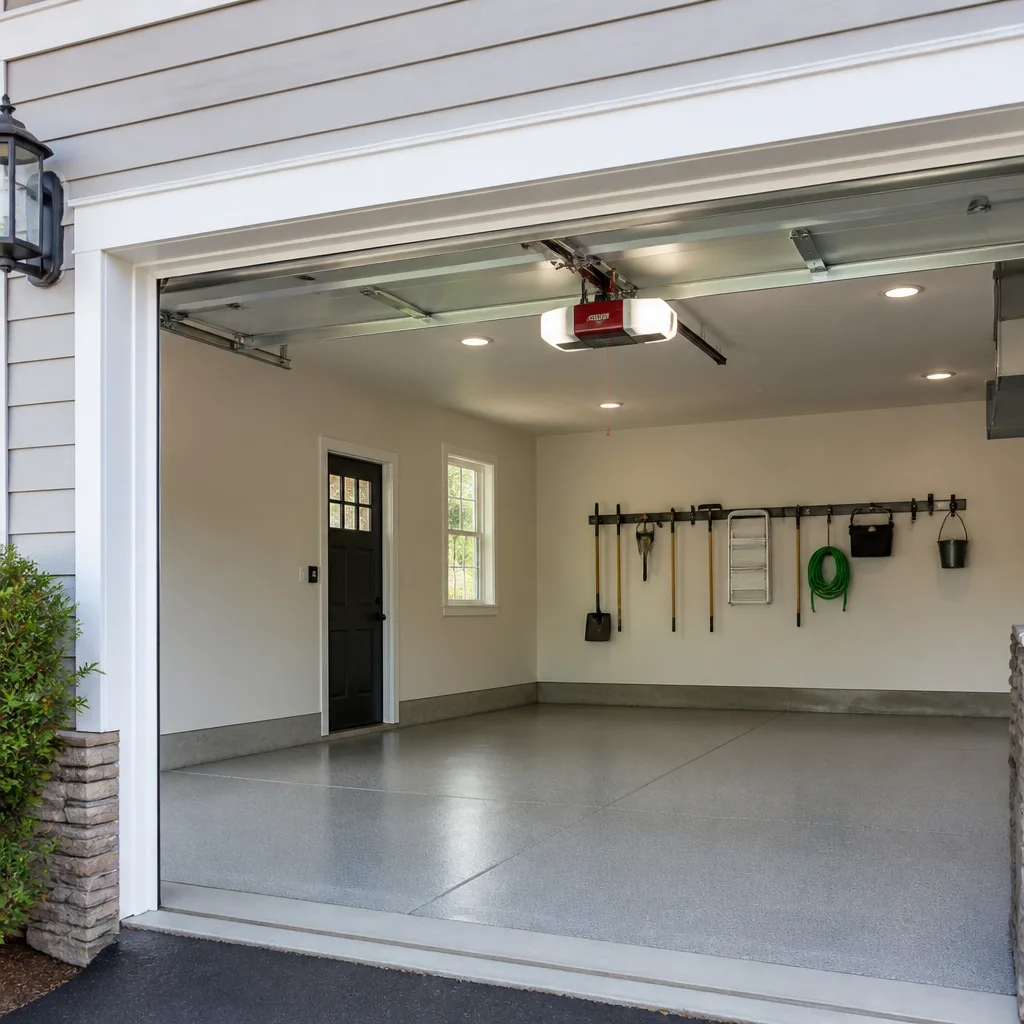 LiftMaster openers
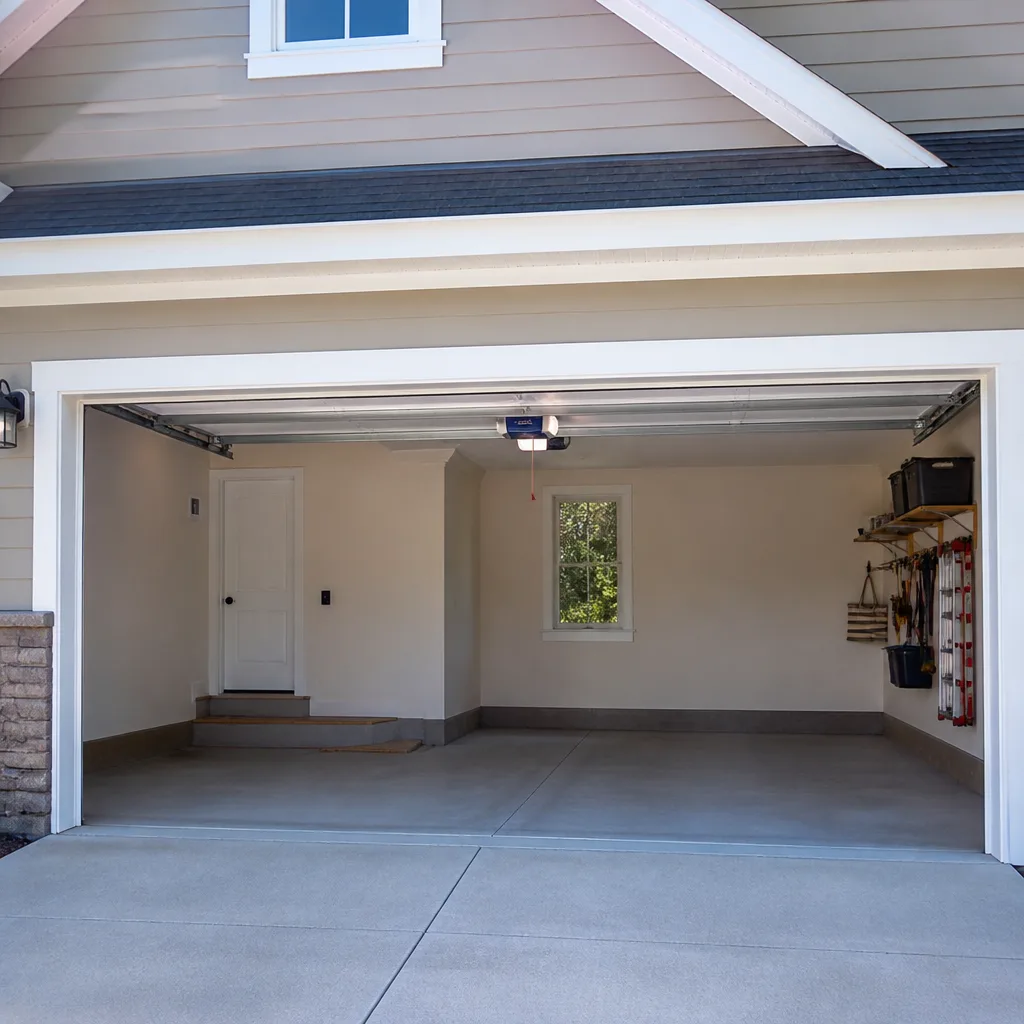 Chamberlain openers
Full 25-point door and opener safety check with every visit - springs, cables, rollers, tracks, and your LiftMaster or Chamberlain opener included
You get a price before we start. It does not change when the pro arrives.
Get your free estimateGarage Door Permits, Codes & Inspections in Hilliard, OH: What You Need to Know
Here’s the part of a garage door replacement most Hilliard homeowners never think to ask about: the permit. People research panel styles, insulation values and opener brands for weeks, then hand a contractor a deposit without ever checking whether the city requires a permit for the work. A garage door replacement done without a required permit in Hilliard can flag on a home inspection report years later, and that flag becomes a negotiating chip a buyer uses to knock money off your asking price. This guide cuts through the code language. You’ll learn when Hilliard requires a permit for garage door work, when it doesn’t, what inspectors actually look at, and how to pull your own property’s permit history before anyone touches your door.
Quick Answer
In Hilliard, Ohio, a like-for-like garage door replacement generally does not require a building permit, but any change to the opening itself – a new size, structural changes to the header or framing, or electrical work on the opener circuit – typically does, and you should confirm the rule with the City of Hilliard’s building department before work starts. Garage door installations must also meet Ohio Building Code requirements, including the fire rating of the wall between the garage and adjacent living space. A final inspection is what confirms the work was done to code, and your property’s permit history is pullable through the City of Hilliard and Franklin County records.
Styles & brands we work with
- Raised-panel steel
- Carriage house
- Modern flush
- Full-view glass
- LiftMaster openers
- Chamberlain openers
Table of Contents
- When does a garage door replacement require a permit in Hilliard?
- When you probably don’t need a permit
- What Ohio Building Code requires for your garage door
- How to check your property’s permit history
- Your liability if the installation wasn’t permitted
- What inspectors actually check on inspection day
- How to hire a contractor who handles the permit correctly
- Common mistakes to avoid
When does a garage door replacement require a permit in Hilliard?
A garage door replacement requires a permit in Hilliard when the job goes beyond swapping one door for another of the same size and type. If the opening itself changes – width, height, header, framing, or the track and hardware configuration – that’s construction work, and construction work gets reviewed. Electrical changes to the opener circuit, including adding a new outlet in the ceiling or rewiring an existing one, also generally fall under permit territory because they’re electrical work, not door work.
The distinction matters most in older Hilliard neighborhoods where garages were built to different dimensions than what’s manufactured today. A homeowner replacing a failing single door in a 1960s ranch home and whose opening matches a stock size will often sail through with no permit needed. A homeowner converting a two-car opening to a wider single door, or adding a door where a solid wall used to be, is looking at structural review. Those are different jobs with different oversight.
We get this question constantly, and the honest answer is that the threshold is set by the city, not by us. Hilliard’s building department makes the call on whether your specific project needs a permit, and that call can depend on details that only come out during a conversation about your address and your existing door. Anyone who tells you a permit is never needed or always needed without asking those questions is guessing.
What usually triggers a permit in Hilliard
- A change in door width, height or opening dimensions
- Structural changes to the header, jambs or wall framing
- Converting a solid wall into a garage door opening, or the reverse
- New or relocated electrical outlets for the opener
- Adding a garage where none existed before
What usually doesn’t
- Swapping a like-for-like replacement door of identical size and type
- Replacing a broken spring, cable, roller or hinge
- Repairing or replacing an opener on an existing circuit
- Replacing weather seals, bottom seals or trim
If your door is failing and the repair is mechanical – a snapped spring, a door off its track, an opener that’s given up – that’s a repair, not a construction project. Our garage door repair service handles those jobs without any permit conversation, because replacing parts on an existing opening isn’t construction. Spring work specifically is a job for trained hands; our garage door spring repair team handles the high-tension side of the door where the injury risk is real.
When you probably don’t need a permit
Most garage door work in Hilliard is repair and replacement of existing components, and most of that doesn’t require a permit. The city isn’t interested in how you fixed a squeaky roller or replaced a worn bottom seal. The permit question only becomes serious when the work touches the structure of the building or the electrical system.
Here’s a simple way to think about it. Ask yourself: after this work is done, is the garage door opening the same size it was before, and is the wall around it structurally unchanged? If yes, you’re almost certainly in repair-and-replacement territory.
A like-for-like replacement – same size, same style, same rough opening – is the most common scenario where homeowners ask us about permits. A Clopay door swapped for another Clopay door of identical dimensions, or a Wayne Dalton replaced with a comparable model, rarely triggers review because nothing about the building envelope changes. The door is a component; the opening is the structure. Replacement of a component on unchanged structure typically falls outside permit requirements.
Opener replacement is another area where the answer is usually no. An opener swap on existing wiring is a repair. Running a new circuit for a new opener in a garage that never had one – that’s electrical work and may need review. Our garage door opener repair service handles LiftMaster, Chamberlain, Genie and Craftsman systems daily, including the myQ smart-home platform that a lot of newer Hilliard homes have, and the permit conversation only comes up when the circuit itself has to change.
That said, “probably doesn’t need one” isn’t the same as “definitely doesn’t.” City rules change, and a Hilliard building official reading the code today could interpret a project differently than a contractor did last year. The only reliable answer comes from calling the city with your address and project details. We encourage that call every time. It costs nothing and it prevents a headache at resale.
What Ohio Building Code requires for your garage door
The Ohio Building Code has specific requirements for the wall separating a garage from living space, and this is a detail many contractors skip when quoting a job. The wall between a garage and a habitable room – a bedroom, kitchen, living area – must meet a fire separation rating because of the fire risk a vehicle and its fuel pose. A garage door itself is not the fire-rated element in most residential setups; the wall and the door between the garage and the house are.
Where this trips people up is at the opening. If your garage is attached to your home and the door between the garage and the house was replaced or modified at some point without consideration for the fire rating, that’s a code issue independent of the overhead door. We see it in older Hilliard housing stock where a previous owner installed a hollow-core door or removed a self-closing mechanism to make moving boxes easier. The overhead garage door isn’t usually the failing item. The pedestrian door and the surrounding wall often are.
What the code requires for your specific wall assembly depends on the age of the home, the construction type and what the city’s building department accepts for your address. We don’t quote code sections here because the citation that applies to your house depends on facts we can’t see from outside. What we can tell you is that the fire separation requirement is real, that inspectors look at it, and that a garage door contractor who never mentions it isn’t giving you the full picture.
What the code baseline means for your project
- The wall between an attached garage and living space has a fire separation requirement
- The door between the garage and the house is part of that separation
- Self-closing hardware on that door is part of the assembly, not an optional extra
- Changes to the overhead door opening can affect the surrounding wall assembly
- Your city’s building department makes the final call on what your address requires
If you’re installing a new overhead door and the wall around it is being modified, budget for the fire separation question to come up. It’s not a scare tactic. It’s one of the details that separates a properly inspected job from one that sails through unnoticed until a home inspector catches it years later.
How to check your property’s permit history
You can pull your own property’s permit history in Hilliard before any contractor starts work, and doing so is one of the smartest five-minute steps a homeowner can take. Permits issued for work on your address are public record, and those records tell you what’s been done, when, and whether it was ever inspected.
Start with the City of Hilliard’s building department. A phone call or an in-person visit to the city offices gets you the permit record for your address, including whether any open permits exist. An open permit is a red flag: it means someone started a job that was never signed off, and it can block a future sale until it’s resolved.
Next, check Franklin County records. The county auditor maintains property data including improvements and sometimes references to permits and inspections. County records and city records don’t always match perfectly – a permit might show in one but not the other – so checking both gives you the fuller picture. If you’re not sure which municipality your address falls under, which happens near Hilliard’s edges, ask the county auditor’s office which jurisdiction has authority over your parcel.
- Note your exact address and parcel number
- Call the City of Hilliard building department and ask for the permit history on your address
- Ask specifically whether any permits are open, expired or unresolved
- Check the Franklin County Auditor’s records for the same property
- Compare the two and note any discrepancy
- Ask your contractor to reconcile anything that doesn’t match before work starts
If your history shows a previous garage door installation with no permit and no final inspection, you’re not stuck. It’s a conversation to have with the city about what’s needed to close it out. Better to have that conversation now, on your timeline, than during a buyer’s inspection period.
Your liability if the installation wasn’t permitted
If an unpermitted garage door installation causes injury or property damage, the exposure lands on the property owner, and that’s a fact many Hilliard homeowners don’t fully appreciate until they’re facing it. The city’s interest in permits is code compliance. Your interest is that a door installed without review may not have been installed to the standards that protect you.
The scenarios that matter aren’t exotic. A torsion spring that was sized wrong fails and damages a vehicle. A door that wasn’t balanced properly comes off its track and injures someone in the driveway. An opener installed on a circuit that wasn’t rated for it overheats. In each case, the question of whether the installation was done correctly and to code becomes central, and the absence of a permit and inspection makes that question harder to answer in your favor.
Then there’s the resale angle. Buyers and their inspectors expect to see a clean permit history for any significant work done to a home. A garage door replacement that shows up on an inspection report as unpermitted gives the buyer a lever. That lever doesn’t require the buyer to prove anything is actually wrong with the door – the mere absence of a final inspection creates enough doubt to justify a request for a price reduction or a repair credit that comes out of your side of the table.
Insurance is the other piece. Work done without required permits can complicate a claim if a loss is later tied to that work. We can’t tell you how your specific policy would respond, because that’s a conversation for your insurer. But the question is worth asking your agent before you hire anyone, especially if you’ve owned the home through a previous roof, deck or garage project that may have skipped permits too.
The practical takeaway: if the work requires a permit, get it. If it doesn’t, be able to show that it didn’t. Either way, the record matters more than the door.
What inspectors actually check on inspection day
If your Hilliard garage door project requires an inspection, knowing what the inspector looks at turns a stressful unknown into a checklist you can walk through yourself before they arrive. Inspectors aren’t looking for stylistic choices. They’re verifying that the door and its components meet the standards that keep the building safe and the installation compliant with the permit.
The first thing they check is that the work matches what the permit described. If the permit application said a same-size replacement and the installed door is wider, that’s a stop. The door needs to match the approved scope, and the scope needs to be accurate on the permit.
From there, inspectors typically look at the door’s operation under load – how it opens, closes, and whether the balance is correct. They check the safety features that protect people and property: the auto-reverse function that should make a closing door back off when it meets resistance, and the photoelectric sensors that should stop the door when something breaks the beam. A balanced door with functioning safety reverse and working sensors covers most of the operational side of the inspection.
The inspection checklist
- Confirm the installed door matches the approved permit scope
- Operate the door and confirm it runs smoothly through the full cycle
- Test that the door reverses when it meets an obstruction
- Test the photoelectric safety sensors
- Check that the door is balanced on its springs and doesn’t drift or drop
- Verify the hardware is secured and the track is properly fastened
- Review the fire separation between the garage and living space if it’s part of the scope
We always connect and test a door’s safety reverse and sensors before we consider the job finished. Not because an inspector is coming, but because a door without working safety reverse is a hazard every time it closes. Our technicians have up to 11 years of experience and they know a Clopay or Amarr installation well enough to see the finish line before the inspector does. If you’re trying to avoid surprises, start with a Hilliard garage door specialist who treats the inspection checklist as a minimum rather than a target.
How to hire a contractor who handles the permit correctly
The contractor you hire determines whether your permit question gets handled right or becomes your problem in three years. A good garage door contractor tells you whether your job needs a permit before you sign anything, and they don’t leave that research to you. Here’s how to tell the difference.
Ask the permit question directly during the estimate. The answer should be specific – not “they never require permits for this” but “here’s what Hilliard requires for your type of project, and here’s how we handle it.” If the contractor can’t answer, that’s information. A garage door specialist who works in Hilliard regularly knows the permit landscape because it comes up on nearly every replacement project.
Ask who pulls the permit if one is needed. Some contractors pull permits as a standard part of the job; others expect the homeowner to do it. Either arrangement can work, but you need to know which one you’re signing up for, because a permit that nobody pulls is a permit that doesn’t exist.
- Ask whether your specific job needs a permit, and expect a specific answer
- Ask who pulls the permit, and get it in writing if either side is responsible
- Ask whether the price includes the permit and inspection costs
- Ask for the permit number once it’s issued
- Don’t accept “nobody permits this” as an answer without confirming with the city
That last point is the one that saves people the most trouble. A contractor who says permits are never needed for garage doors is either working outside Hilliard’s rules or hasn’t bothered to learn them. The city’s building department will tell you whether a permit applies to your address. It’s a free phone call, and it’s the fastest way to catch a contractor who’s guessing. Our garage door repair team is happy to have that conversation with you before we quote anything, and we’ll tell you when a permit is likely and when it isn’t.
Price transparency matters too. Every job we quote is priced in writing, and the estimate is the price – no revised invoice after the work is done. Permit costs, when they apply, get laid out the same way. If a contractor won’t put the scope and the permit arrangement in writing, keep looking.
Common Mistakes to Avoid
- Assuming a replacement never needs a permit. A like-for-like swap often doesn’t, but any change to the opening or the electrical work can. Confirm with the City of Hilliard rather than taking anyone’s word for it.
- Never pulling the permit history before you sell. An open or missing permit from years ago can surface during a buyer’s inspection in Hilliard and become leverage for a price reduction. Check your history before a listing does it for you.
- Skipping the fire separation question. The wall between your attached garage and living space has a fire rating requirement. A door project that modifies that wall without addressing it creates a code issue that inspectors catch.
- Hiring on price alone without asking about permits. The lowest bid is often the one that skips the paperwork. A slightly higher quote that includes the permit and inspection is usually the cheaper job over the life of the home.
- Not knowing who pulled the permit. If the city has no record of a permit for work that was done, that’s a gap in your property’s history. Get the permit number in writing, whoever pulls it.
- Assuming the overhead door is the fire-rated element. The door between the garage and the house and the wall around it are the fire separation. The overhead door is not. Getting this backwards leads to the wrong fix.
- Treating a spring replacement like a construction project. Springs, cables and openers are repairs and don’t need a permit. But they are dangerous to replace by hand, and high-tension springs can cause serious injury without the right tooling. Hire training, not luck.
See the difference
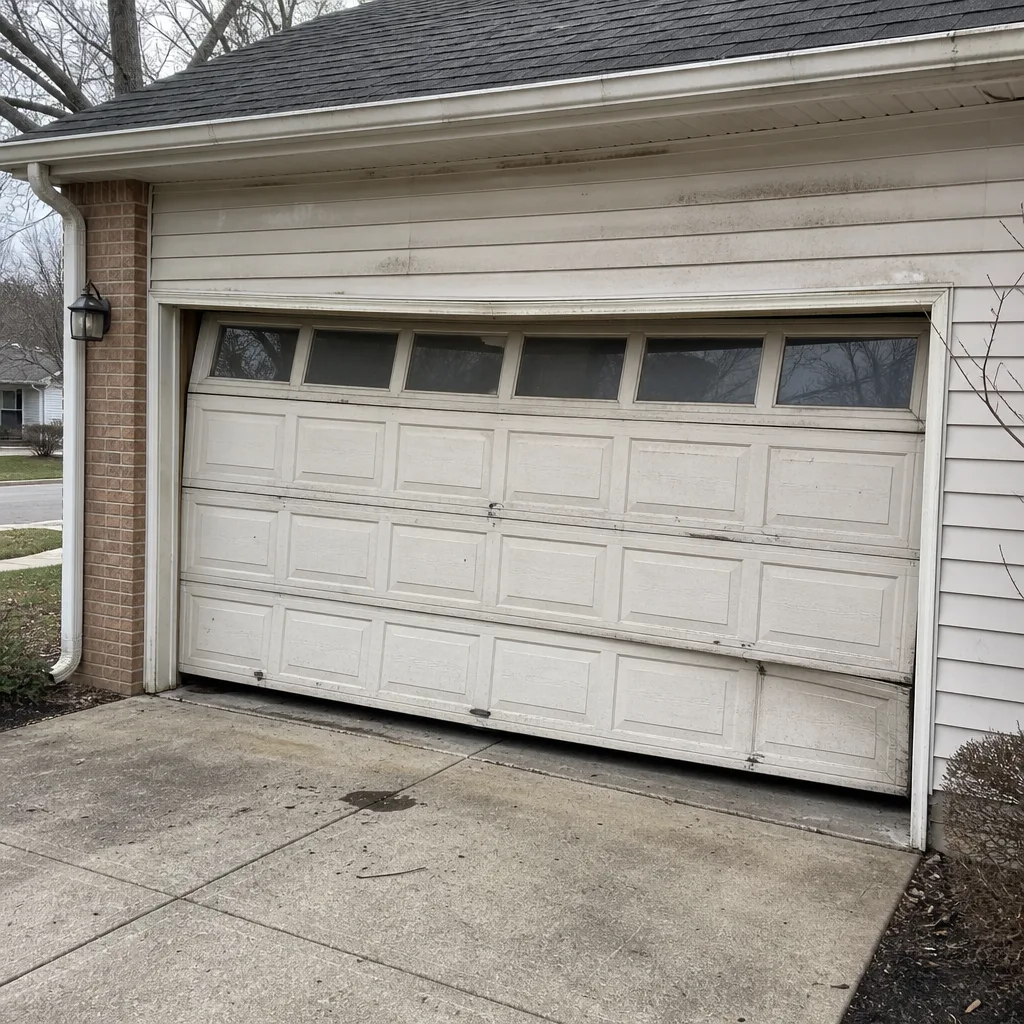 Before
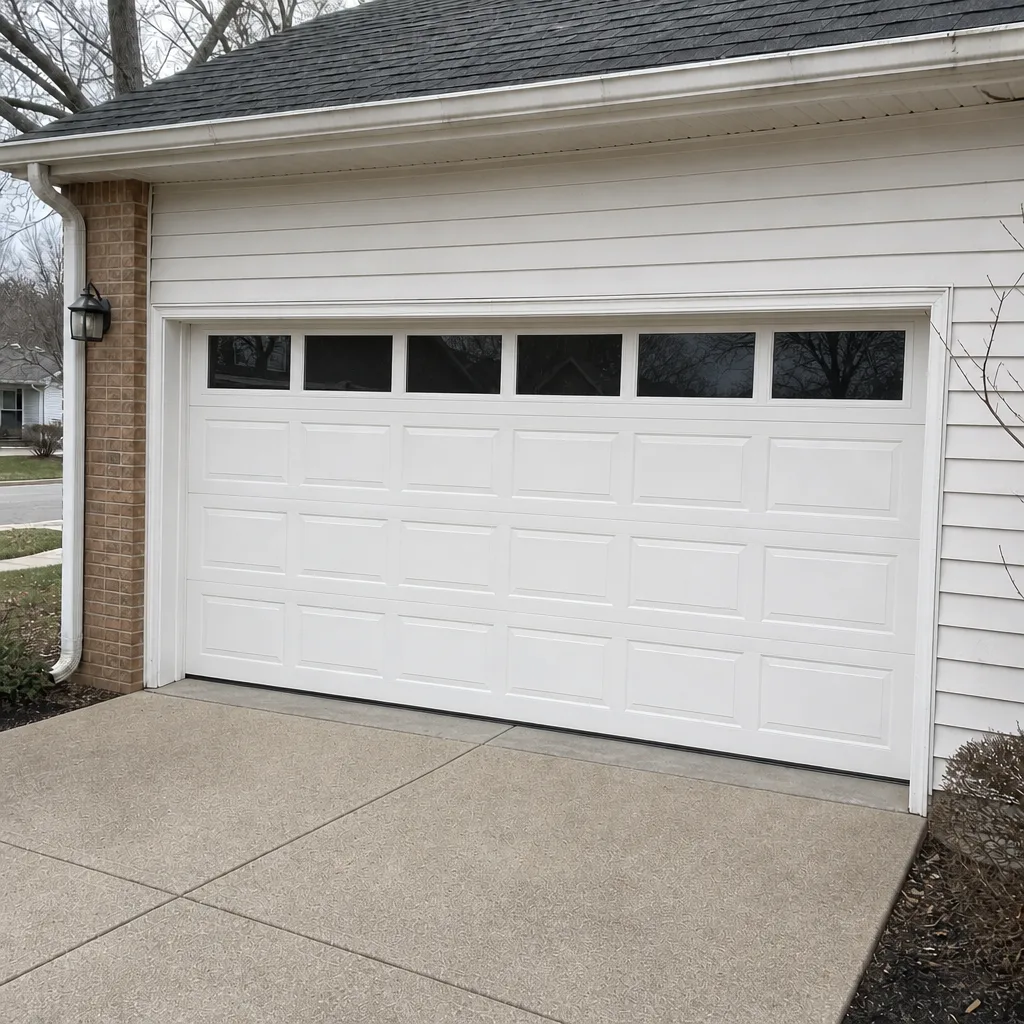 After
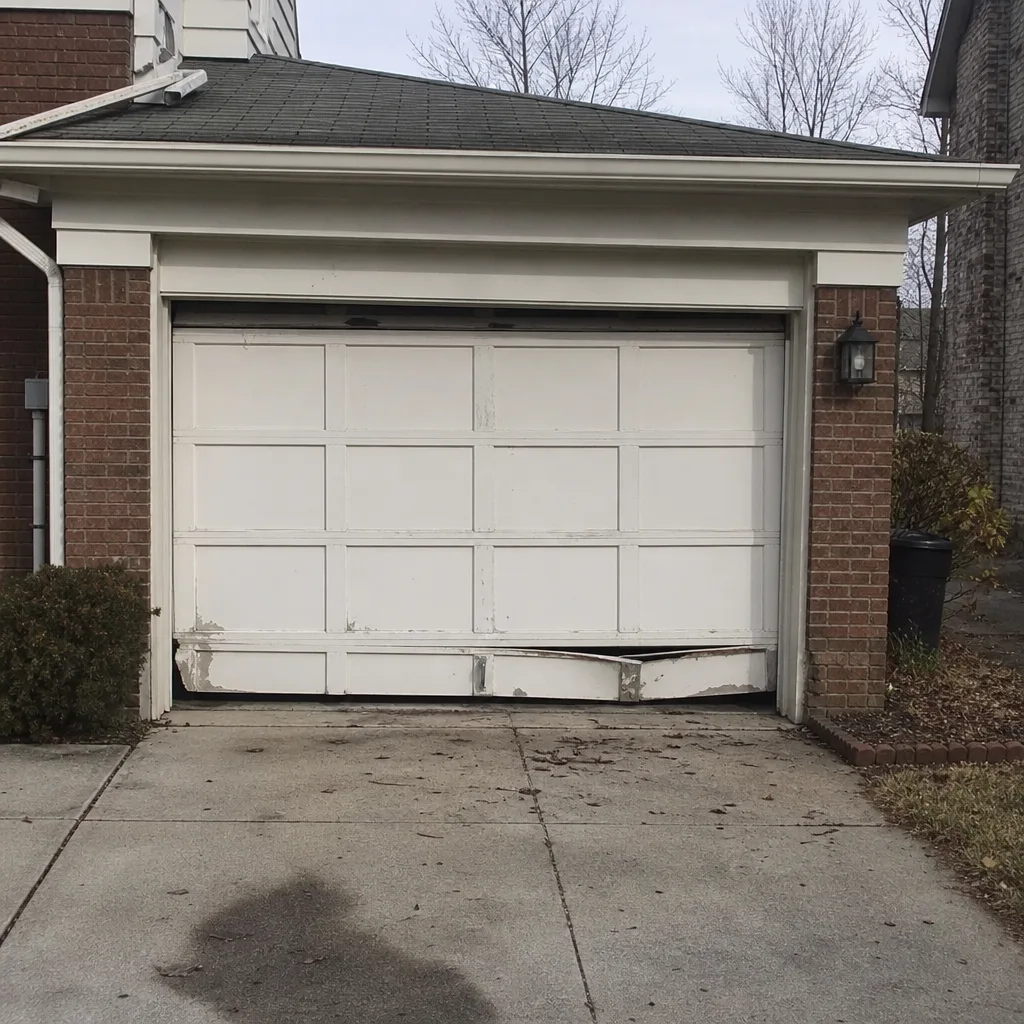 Before
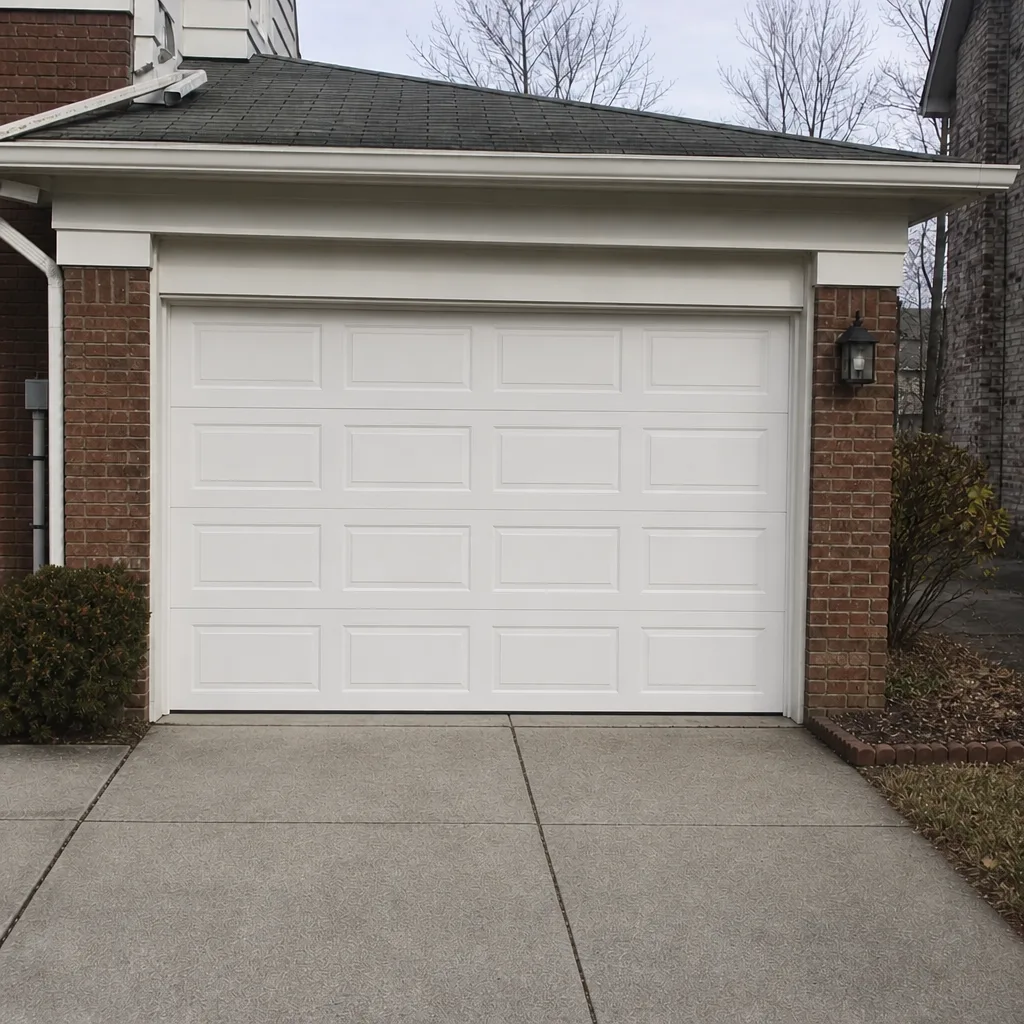 After
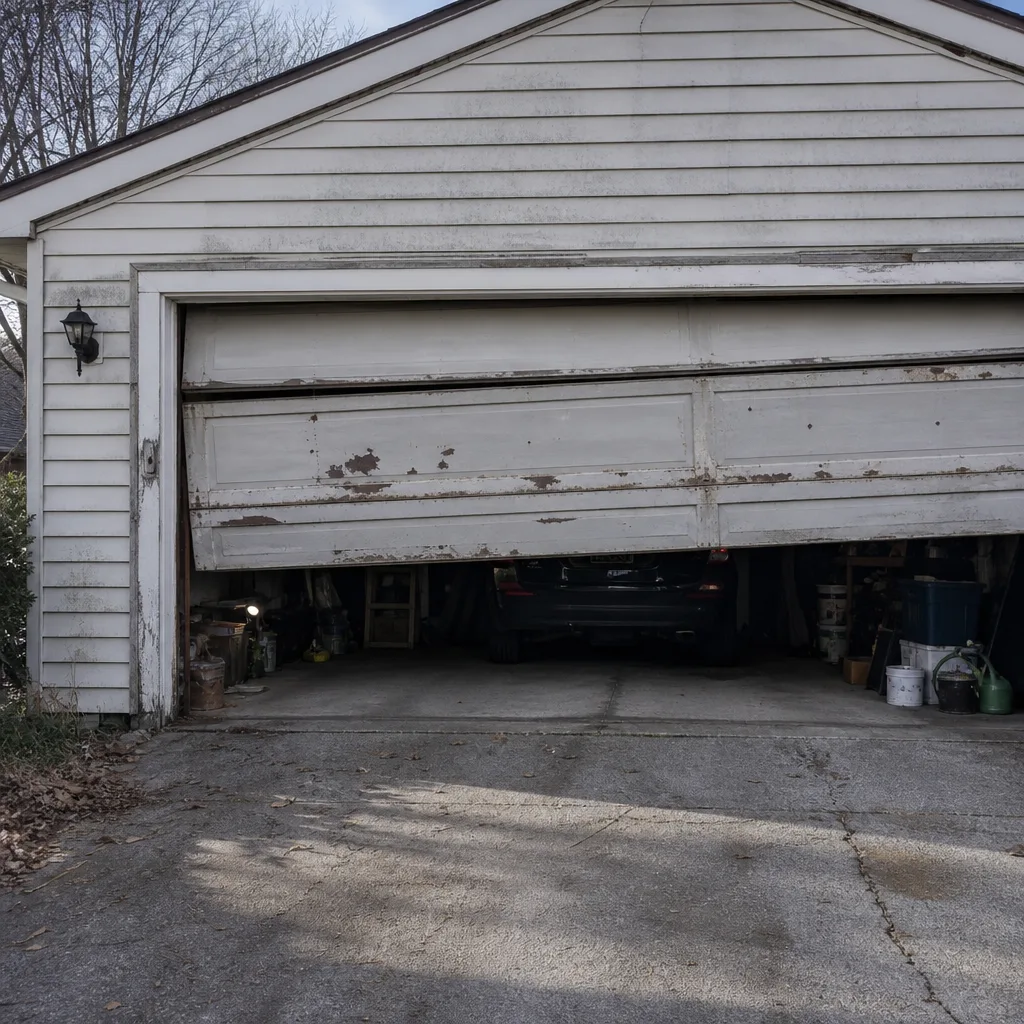 Before
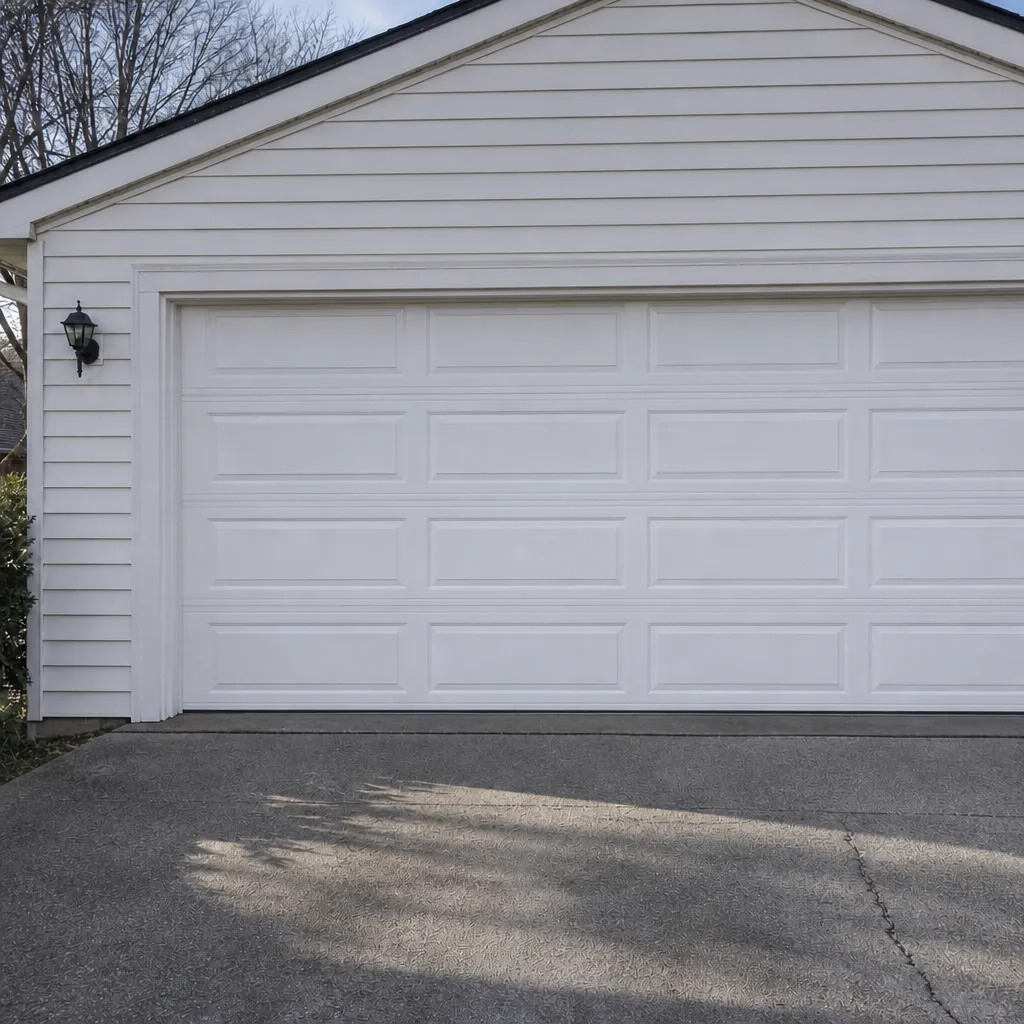 After
When to Call a Professional
Call a professional when the door won’t open or close safely, when a spring snaps and the door becomes too heavy to lift, or when an opener fails and leaves your home unsecured. Those are repairs, not permit questions, and they shouldn’t wait. Call us when you’re planning a full replacement and want the permit question answered before you sign, too. Hilliard Garage Door Repair Pros offers free estimates in Hilliard – call (833) 918-9857. We work on Clopay, Amarr, Wayne Dalton, Craftsman and the other major brands, from a spring swap to a new installation, and we’ll tell you plainly whether your job is likely to need a permit and what to do next. Our technicians have up to 11 years of experience with every type of residential system we see in Hilliard, and we treat the safety reverse and sensor checks as the baseline, not the finish line.
Frequently Asked Questions
Often no, but not always. A like-for-like replacement of a door with the same size and type generally doesn’t require a permit in Hilliard, while a change to the opening dimensions, structural framing, or electrical work on the opener circuit usually does. Call the City of Hilliard building department with your address and project details to get the answer for your specific job. Call (833) 918-9857 for a free estimate and we’ll help you figure out whether your project is likely to need review.
Ohio Building Code requires a fire separation between an attached garage and the living space, which means the wall and the door between the garage and the house need to meet a fire rating. The overhead garage door itself is typically not the fire-rated element in a residential setup. Your city’s building department can tell you what your specific assembly requires, so ask before any project that modifies the wall around the opening.
Call the City of Hilliard building department and ask for the permit record for your address, then cross-check the Franklin County Auditor’s property records. Look for open, expired or missing permits, especially for garage, roof, deck or electrical work. If your garage door installation was done without a permit, ask the city what’s needed to close it out before you list the home. Call (833) 918-9857 if you want us to walk you through what we see on the door itself.
The property owner generally carries the exposure. If an unpermitted installation causes injury or property damage, the absence of a permit and inspection makes it harder to show the work was done correctly. There’s also a resale angle: a buyer’s inspector can use an unpermitted installation as leverage for a price reduction during negotiations. Talk to your insurer about how a specific policy would respond, and check your permit history before you sell.
Inspectors verify that the installed door matches the approved permit scope, that it opens and closes smoothly through its full cycle, that the safety reverse function works, that the photoelectric sensors stop the door when obstructed, that the door is balanced on its springs, and that hardware is properly secured. If the fire separation between the garage and living space is part of the scope, they look at that too. We test and adjust all of the operational items before we consider a job finished.
No. Replacing a spring, cable, roller, hinge or opener on an existing door is a repair, not construction, and repairs don’t require a permit in Hilliard. That doesn’t make spring work safe to do yourself – high-tension torsion springs store enormous force and can cause serious injury without proper training and tools. Call (833) 918-9857 and we’ll handle a repair the same day when we can, with the price agreed before any work starts.
The Bottom Line
The permit question on a garage door in Hilliard comes down to one distinction: construction changes need review, and component replacements usually don’t. A like-for-like door swap, a spring repair or an opener replacement typically doesn’t trigger a permit. A change to the opening size, structural framing or the electrical circuit does, and it’s the city’s building department that makes that call, not the contractor. Check your property’s permit history before work starts, ask who pulls the permit if one is needed, and take the fire separation requirement between your garage and living space seriously because inspectors do. Do those three things and your door stays an asset at resale instead of a negotiating chip against you.
Call (833) 918-9857 for a free estimate. We answer 24/7. Fast dispatch from 7am to 7pm, Sunday through Friday. The written quote is the price, agreed before any work starts.
Written by the team at Hilliard Garage Door Repair Pros.