
Last updated November 22, 2026
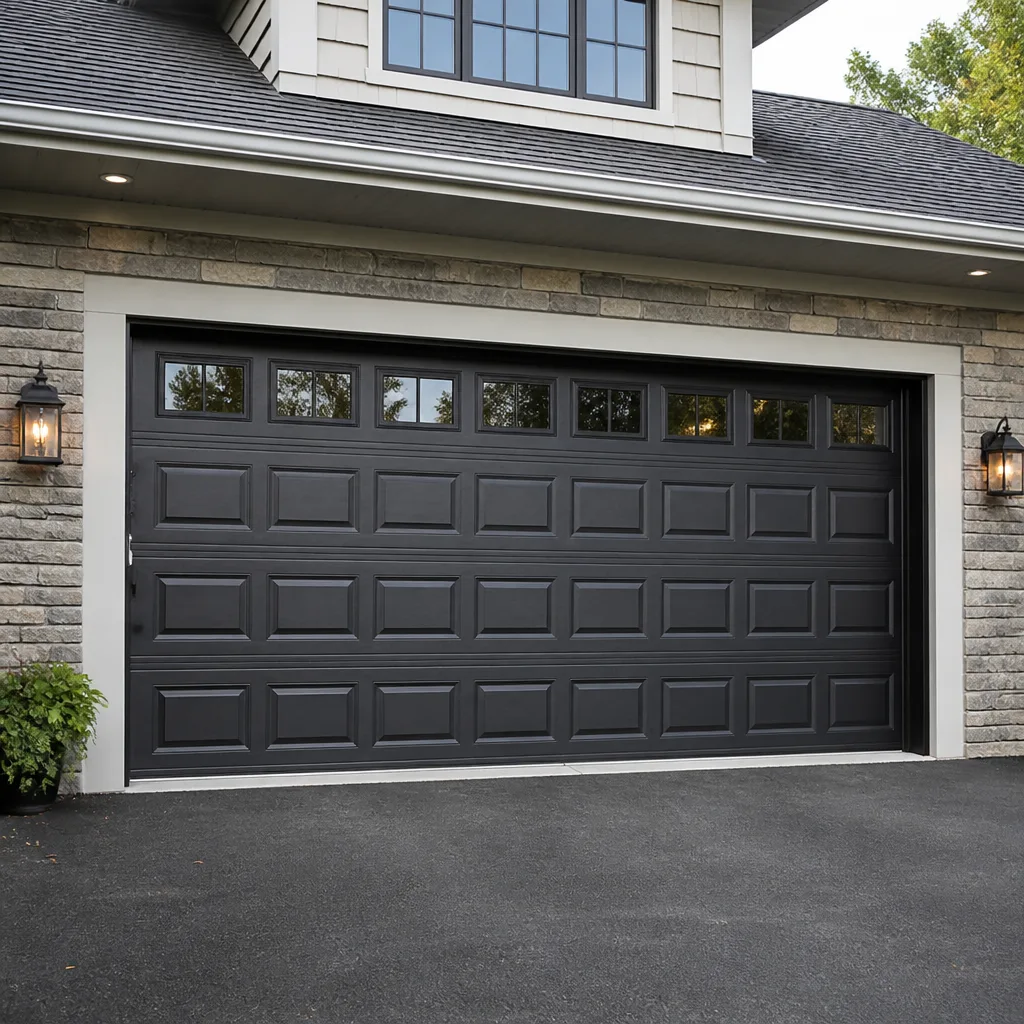 Raised-panel steel
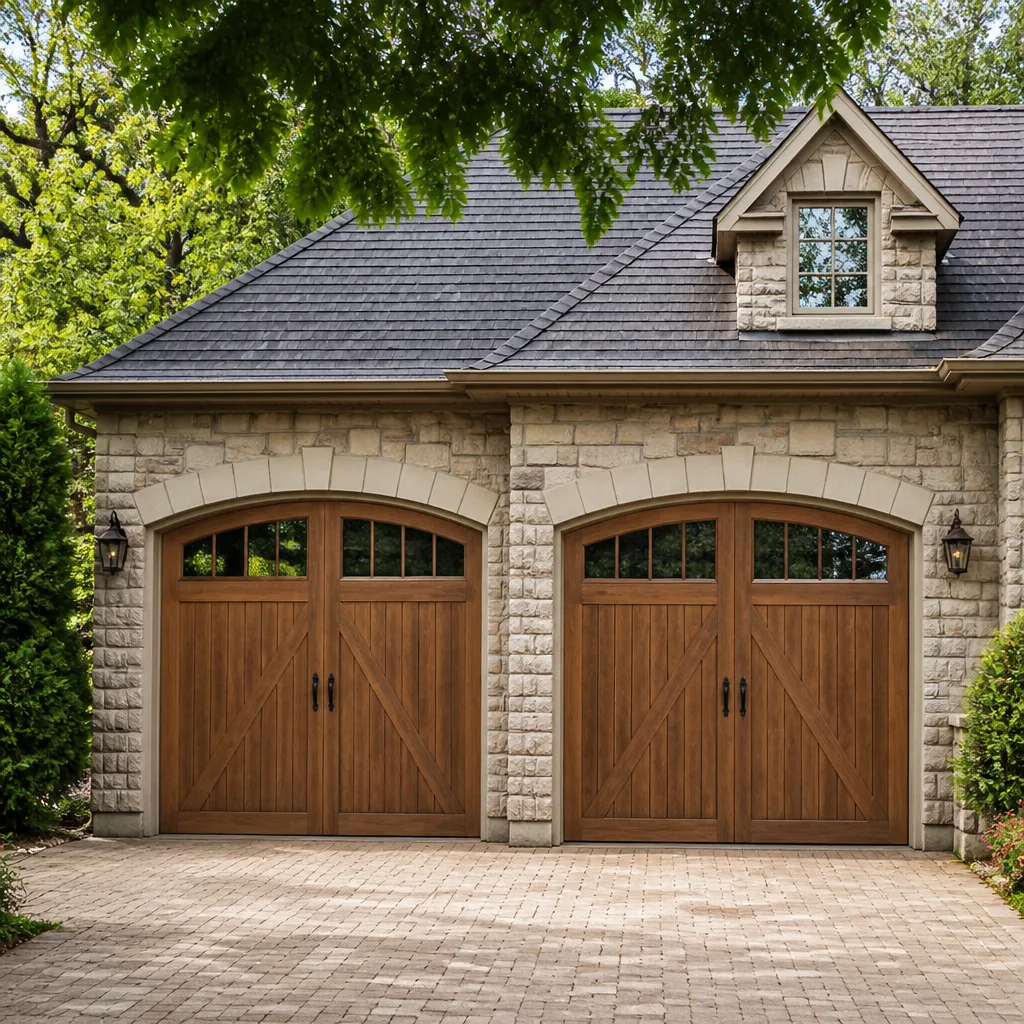 Carriage house
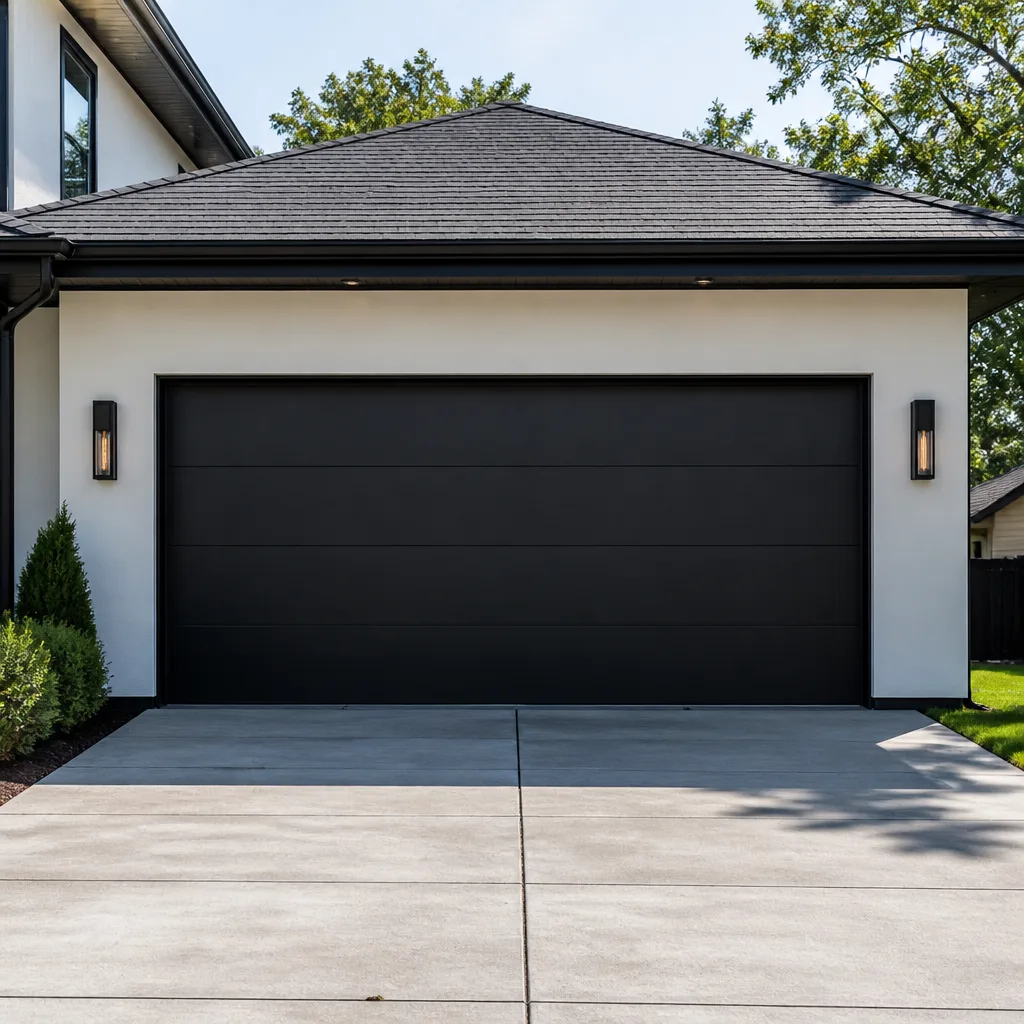 Modern flush
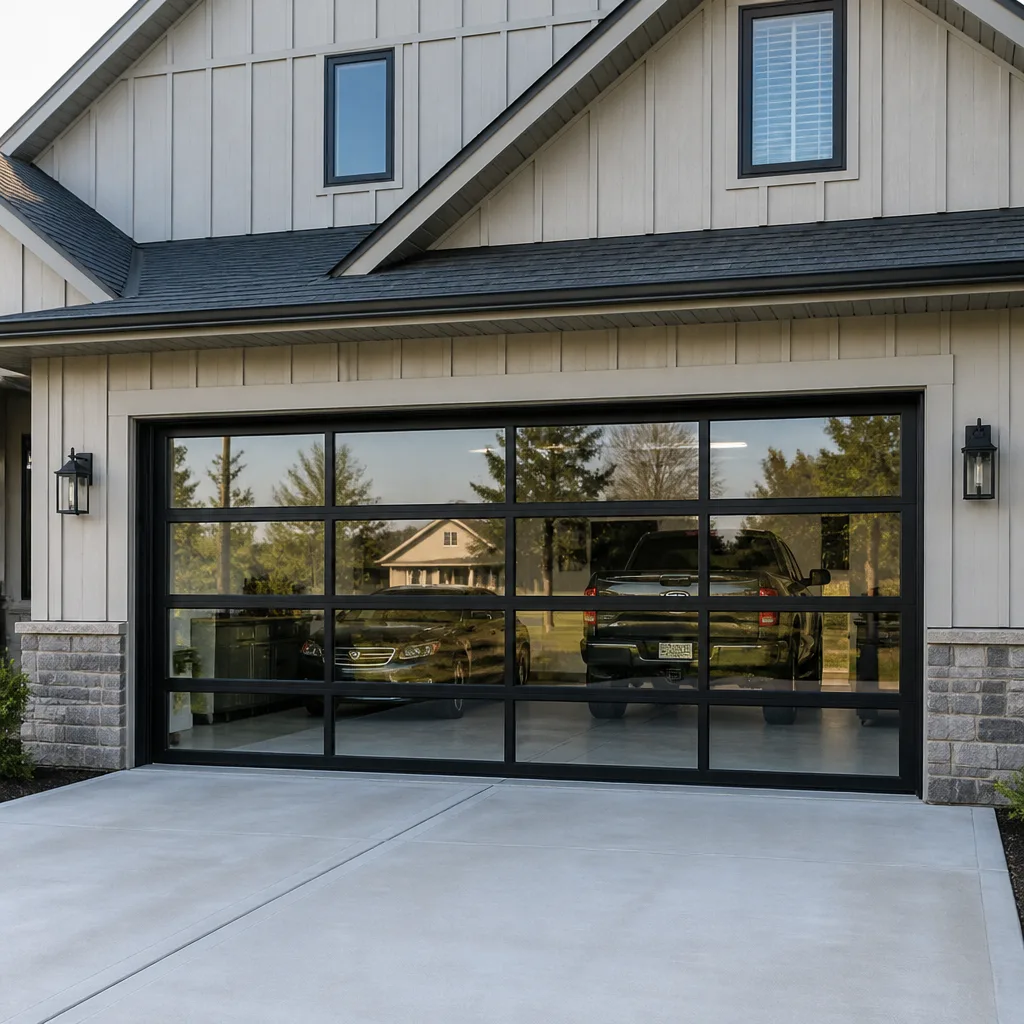 Full-view glass
 LiftMaster openers
 Chamberlain openers
Full 25-point door and opener safety check with every visit - springs, cables, rollers, tracks, and your LiftMaster or Chamberlain opener included
You get a price before we start. It does not change when the pro arrives.
Get your free estimateGarage Door Repair Maintenance Checklist for Hilliard Homeowners
Most garage door advice stops at “lubricate moving parts,” which tells you nothing you can act on. Here’s the counterintuitive part: the single most valuable maintenance habit for a Hilliard garage door isn’t lubrication at all. It’s a four-minute safety test most homeowners never run. And the second most valuable habit costs about as much as a coffee – a small can of white lithium grease applied to the right spots twice a year, which is one of the simplest ways to add years of life to an opener. This guide gives you the exact lubricants, the exact parts, the pass/fail criteria you can actually judge, and the Ohio timing that matters more than any generic checklist. By the end you’ll know what normal wear looks like and what an imminent failure looks like.
Quick Answer
A garage door maintenance checklist for a Hilliard home should cover five things twice a year: a lubrication pass on springs, hinges, rollers and the opener rail; a balance test; the auto-reverse safety test; a visual inspection of cables, rollers and the door panels; and a check of the weather seal and bottom bracket. In central Ohio, schedule the heavier inspection in the fall before the first hard freeze, because cold contracts metal, stiffens grease and puts the most stress on springs and opener gears during the coldest weeks. Anything involving springs or cables is a professional job – those parts are under extreme tension and cause serious injury when handled without the right tools.
Styles & brands we work with
- Raised-panel steel
- Carriage house
- Modern flush
- Full-view glass
- LiftMaster openers
- Chamberlain openers
Table of Contents
- Why a Fall Inspection Matters More Than a Spring One in Hilliard
- The Lubrication Map: Exactly What to Spray and What Never To
- Part-by-Part Inspection Protocol With Pass/Fail Criteria
- The Four-Minute Safety Test: Auto-Reverse and Photo-Eyes
- The Balance Test and What It Tells You About Your Springs
- Seasonal Calendar for Hilliard Garage Doors
- Which Maintenance Tasks Can Affect Your Manufacturer Warranty
- What Your Opener Brand Means for Maintenance
Why a Fall Inspection Matters More Than a Spring One in Hilliard
Across central Ohio, the hardest weeks on a garage door aren’t in July – they’re in January. A fall inspection in Hilliard catches the problems that a cold snap turns into failures, and it’s the single most useful timing decision on this whole checklist. Here’s the reasoning. Garage door torsion springs are steel under constant tension. Cold makes steel more brittle and less forgiving. The lubricant you applied in warm weather thickens as temperatures drop, which adds drag on rollers, hinges and the opener’s drive system. And a door that ran smoothly in October can develop a stiff spot or a slipping opener gear by the first week of real cold.
A fall inspection addresses all of that before it becomes an emergency:
- Fresh lubricant before the freeze. A light coat applied in October still protects through December and January, when the door needs it most. Lubricant applied in May has often worn or washed away by the time you need it.
- Tightened hardware. The vibration of a full summer of use loosens bolts on the hinges and the opener’s mounting bracket. Snugging them in fall prevents the rattle-and-grind that shows up once the door gets heavier in cold weather.
- A clear weather seal. A torn or flattened bottom seal lets cold air, snowmelt and road grit into the garage. In Hilliard that means a colder attached garage, higher heating bills and a slick concrete floor.
- Spring condition check. A spring that’s showing wear in fall might make it through the winter – or might snap on the coldest morning of the year, usually when you’re trying to leave.
A spring inspection in April isn’t wasted, but it catches problems that already happened over the winter. The fall visit is preventive. That’s the difference. If you want one appointment per year for your garage door in Hilliard, make it the fall one, and do the simple lubrication pass yourself in spring.
The Lubrication Map: Exactly What to Spray and What Never To
“Lubricate moving parts” is useless advice because not every part needs the same product, and one part – the torsion spring – gets ruined by the most common household lubricant. Here’s the part-by-part map. Print it, tape it to the garage wall, and follow it twice a year.
The right lubricant for each component
- Torsion spring (the horizontal one above the door): white lithium grease in a spray can. It’s thick enough to stay put on a wound spring and doesn’t attract dust the way oil does. One light coat along the coils is enough.
- Extension springs (the ones that run parallel to the door’s tracks on older doors): white lithium grease, applied to the coils, not the hooks.
- Hinges: white lithium grease or a silicone spray. A drop of lubricant at each hinge pivot point.
- Rollers: silicone spray on the metal stem of each roller, where it sits inside the hinge. Do not grease the wheel itself – dry rollers run quieter.
- Opener rail and chain or belt: a small amount of white lithium grease on a chain drive, or a light silicone spray on a screw-drive rail. Belt drives usually need no lubrication at all; check your opener manual.
- Lock and cylinder (if you have a manual lock): graphite powder, not oil, which gums up over time.
What never to use
WD-40 is the wrong product for a garage door. It’s a light solvent-based penetrant, not a lasting lubricant, and it thins out and evaporates quickly. Sprayed on a torsion spring it can also pull grit into the coils. The same goes for cooking oil, motor oil and household grease – they gather dust, run in warm weather and stiffen in the cold. In Hilliard, where a January cold snap can drop into the teens, an oil that thickens will add strain to your opener motor every time you open the door.
The three spots to hit on every pass
- Along the torsion spring, one light coat.
- At each hinge pivot, one drop.
- On the metal stem of each roller, one short spray.
That’s it. A five-minute pass with a can of white lithium grease, done twice a year, is the single most cost-effective thing you can do for a garage door in Hilliard. If your opener is running loud or the door shudders on the way up, that’s often the first sign that lubrication was skipped for a season. For a louder, grinding problem that doesn’t go away after lubrication, garage door repair identifies the cause faster than guessing.
Part-by-Part Inspection Protocol With Pass/Fail Criteria
The problem with most checklists is that “check for wear” tells a non-mechanic nothing. Here’s what each part actually looks like when it’s fine and when it needs attention. You don’t need to fix anything here – you just need to know when to call. Our technicians have up to 11 years of experience, and most of the calls that turn into an easy fix rather than a bigger bill come from homeowners who noticed a problem early.
Cables
- Pass: two cables running straight down from the top corners to the bottom bracket, no fraying, no sagging, no kink.
- Fail: any frayed strand, a cable that’s slipped off its drum, or a cable hanging slack. Slack or frayed cables are a safety issue – stop using the door and call a professional. Never touch a cable under tension.
Rollers
- Pass: all rollers spin freely when you push them by hand, the wheel surface is smooth, and there’s no wobble side to side.
- Fail: a roller that won’t turn, is cracked, or has a flat spot. That flat spot will wear a groove into the track over time. A set of rollers is inexpensive to replace, but a scored track is a bigger job.
Hinges and brackets
- Pass: no visible rust, no loose bolts, the door panels sit flush at each hinge.
- Fail: rust streaks, a hinge that’s pulling away from the panel, or a bolt that won’t tighten (which usually means the panel’s metal around it has cracked).
Tracks
- Pass: the vertical and horizontal tracks are straight, clean, and the door rolls with even clearance on both sides.
- Fail: a dented, bent or misaligned track, or visible debris inside the channel. Never try to bend a track back into shape with a hammer – even a small misalignment will make the door jump and wear the rollers.
Panels and bottom seal
- Pass: panels are flat with no dents or cracks, the bottom seal is flexible and touches the floor evenly across the width.
- Fail: cracked or rusted panels, or a bottom seal that’s torn, stiff, or leaving a gap you can see daylight through. In a Hilliard winter, that gap lets cold air and meltwater into the garage.
Torsion spring
- Pass: a continuous coil with no visible gap, no rust flaking, no stretched section.
- Fail: a visible gap in the coil (which means it has snapped or is about to), heavy rust, or a door that’s suddenly very heavy to lift by hand.
If you see a fail on cables or the torsion spring, don’t operate the door. Those are the two parts on the whole system that can hurt you, and they fail without warning. Call a professional. The rest can usually wait for a scheduled visit, but it’s worth getting them looked at before they cascade into a bigger repair. For a dedicated look at the highest-risk part on the list, garage door spring repair is the specialty a generalist handyman usually avoids for good reason.
The Four-Minute Safety Test: Auto-Reverse and Photo-Eyes
This is the test that actually saves lives, and most homeowners have never run it. The auto-reverse and photo-eye systems are the two safety features that stop a closing door if something is in the way. Kids, pets and anything left in the door’s path depend on them working. The whole sequence takes under four minutes and you don’t need tools.
Step-by-step safety test
- Stand inside the garage, out of the door’s path, with the door fully open.
- Press the wall control or remote to close the door. Let it travel about a foot.
- Wave a broom handle or a two-by-four across the path of the photo-eye sensors at floor level, on both sides of the door. The door should reverse immediately. If it keeps closing, that’s a fail – adjust or clean the sensors and retest.
- Open the door fully again.
- Place a roll of paper towels or a 2×4 flat on the floor directly under the closing door, in the center of the opening.
- Close the door. When the door hits the object, it should reverse within a second or two and return to the open position. If it presses down on the object and stops, the auto-reverse force setting is too high.
- If you have a wall-mounted opener, test the manual release: pull the red cord with the door closed and confirm the door releases from the opener. Then reconnect it.
Two things commonly fail this test in Hilliard homes. The photo-eye lenses get dusty or covered by winter road grit, and the door won’t close at all – or worse, closes because the safety system was disabled by a previous owner. The other is an opener whose force setting was cranked up to compensate for a binding door. A door that needs extra force to close isn’t fixed by raising the force limit; it’s hiding a mechanical problem. If the door fails the auto-reverse test after you clean the lenses, have it checked before you use it again.
The Balance Test and What It Tells You About Your Springs
Your springs do most of the work of lifting the door. The opener mostly guides it. That’s why the balance test is really a spring test, and it’s the easiest way to spot a spring that’s losing tension before it snaps. Here’s how to run it.
- Close the door. Pull the red manual release cord to disconnect the door from the opener.
- Lift the door by hand to about waist height and let go. A balanced door should stay roughly where you let it, maybe drift a few inches.
- Lift it to halfway. It should feel light – a properly balanced door takes only a few pounds of pressure to lift.
- Lower it back to the floor. It should come down slowly and evenly, not slam or drop.
- Reconnect the opener by pressing the button once to re-engage the trolley.
Pass: the door stays where you leave it, lifts easily, and doesn’t drift up or down more than a few inches.
Fail: the door is heavy to lift, drops fast, or won’t stay at halfway. That points to a spring that’s lost tension or is about to fail. Don’t keep opening it with the opener – that puts the whole load on the motor. And don’t try to adjust or replace a torsion spring yourself. That spring is under several hundred pounds of tension and can release with a snap that causes serious injury. This is one of the reasons a dedicated spring service exists, and why garage door repair often starts with a spring check before anything else.
Seasonal Calendar for Hilliard Garage Doors
Central Ohio’s weather gives garage doors a specific rhythm: wet springs, hot summers and cold winters. A short seasonal plan keeps your door ahead of all three.
Spring (March through May)
- Lubrication pass: springs, hinges, roller stems.
- Check the bottom seal for winter damage – a torn seal lets spring rain and grit into the garage.
- Run the four-minute safety test after any weather that makes the door stick.
Summer (June through August)
- Wipe down the tracks and remove debris from the channel, especially after lawn mowing season starts.
- Check the opener’s force and travel settings if the door has started reversing to the open position on its own.
- Look at the opener’s drive belt or chain for wear or slack.
Fall (September through November)
- Full inspection: cables, rollers, hinges, tracks, panels, springs.
- Fresh lubrication pass – this is the one that protects through winter.
- Weather seal check, top and bottom.
- Snug any loose hinge or bracket bolts before the cold sets them rattling.
- This is the fall visit that matters most for Hilliard homes, because the next few months are the hardest on the whole system.
Winter (December through February)
- Clearing snow and ice from the driveway in front of the door keeps the bottom seal from getting torn by a plow or a shovel.
- If the door gets stiff or the opener grinds during cold weather, stop using it and have it checked – a stiff door in freezing weather is often a sign of a failing spring or opener gear.
Which Maintenance Tasks Can Affect Your Manufacturer Warranty
This part rarely gets mentioned, and it matters. Most garage door and opener manufacturers build their warranty terms around proper installation and maintenance, and a few things you do (or skip) can affect a claim.
- Skipping the annual safety and balance test can void an opener warranty in some cases, because the manufacturer’s terms require the safety system to be functioning.
- Forcing the opener to lift a heavy or binding door – for example, cranking up the force setting instead of fixing the spring – can burn out the motor and often disqualifies a warranty claim.
- Using the wrong lubricant on moving parts – particularly heavy grease on a chain-drive opener or oil on the torsion spring – can attract debris and lead to premature wear that a manufacturer may not cover.
- DIY spring or cable replacement is not just dangerous; it can void the warranty on the door and opener if the work isn’t done by a qualified technician.
- Ignoring a bent track or damaged panel and continuing to run the door puts uneven strain on the whole system, which often leads to a motor failure a warranty won’t cover.
The safest approach for backed maintenance is to keep your door’s manual with its warranty terms, run the four-minute safety test regularly, and have a professional look at anything you’re not sure about. If your opener is failing and you’re not sure whether it’s a warranty issue or a repair, garage door opener repair can diagnose it before you decide whether to repair or replace the unit.
What Your Opener Brand Means for Maintenance
Most Hilliard garages run on an opener from one of a handful of major brands, and each has slightly different maintenance needs. Knowing your brand helps you focus. We work on all of the most widely installed systems, including LiftMaster, Chamberlain, Genie and Raynor, along with Clopay, Amarr, Wayne Dalton and Craftsman. If your opener is a LiftMaster or a Chamberlain with the myQ smart-home platform, its maintenance is mostly about keeping the Wi-Fi module clean and the battery fresh in the remote; the drive system itself is similar to a standard chain or belt. A Genie opener from the last decade or two often uses a screw-drive rail that needs a light silicone spray now and then, not grease. A Raynor or Craftsman unit may be a legacy model with a chain drive that benefits from a small amount of white lithium grease on the chain twice a year.
Smart-home openers add one maintenance step most checklists miss: check the app connection. If the door has started failing to respond through the app but works from the wall button, it’s usually a Wi-Fi or module issue, not a mechanical one. On older systems, the same symptom is often a worn remote battery or a damaged safety sensor. When a problem isn’t obvious, a professional who knows the brand can usually sort it out in a single visit. For a specific brand or older system that you can’t identify, the garage door opener repair team works on your brand, not just one manufacturer’s equipment.
Common Mistakes to Avoid
- Spraying WD-40 on the torsion spring. It’s a solvent, not a lasting lubricant, and it thins out fast. Use white lithium grease instead.
- Never running the auto-reverse test. Most homeowners haven’t tested it in years. It takes four minutes and it’s the one check that actually protects your family.
- Adjusting the opener’s force setting to hide a stiff door. The door is telling you something is wrong – a spring, a roller or a track. Raising the force just burns out the motor.
- Ignoring a small bottom-seal tear. In a Hilliard winter, a torn seal lets in cold air, snowmelt and road grit. A small repair now avoids a bigger one later.
- Skipping the fall inspection and only doing spring maintenance. Ohio’s coldest weeks are the hardest on springs and openers. The fall pass is the one that protects your door through January.
- Trying to fix a spring or cable yourself. Both are under extreme tension. This is the job for a trained technician with the right tools, every time.
- Forgetting the opener rail and chain. A little white lithium grease on a chain drive and a check of the rail keep the opener running quietly and extend its life.
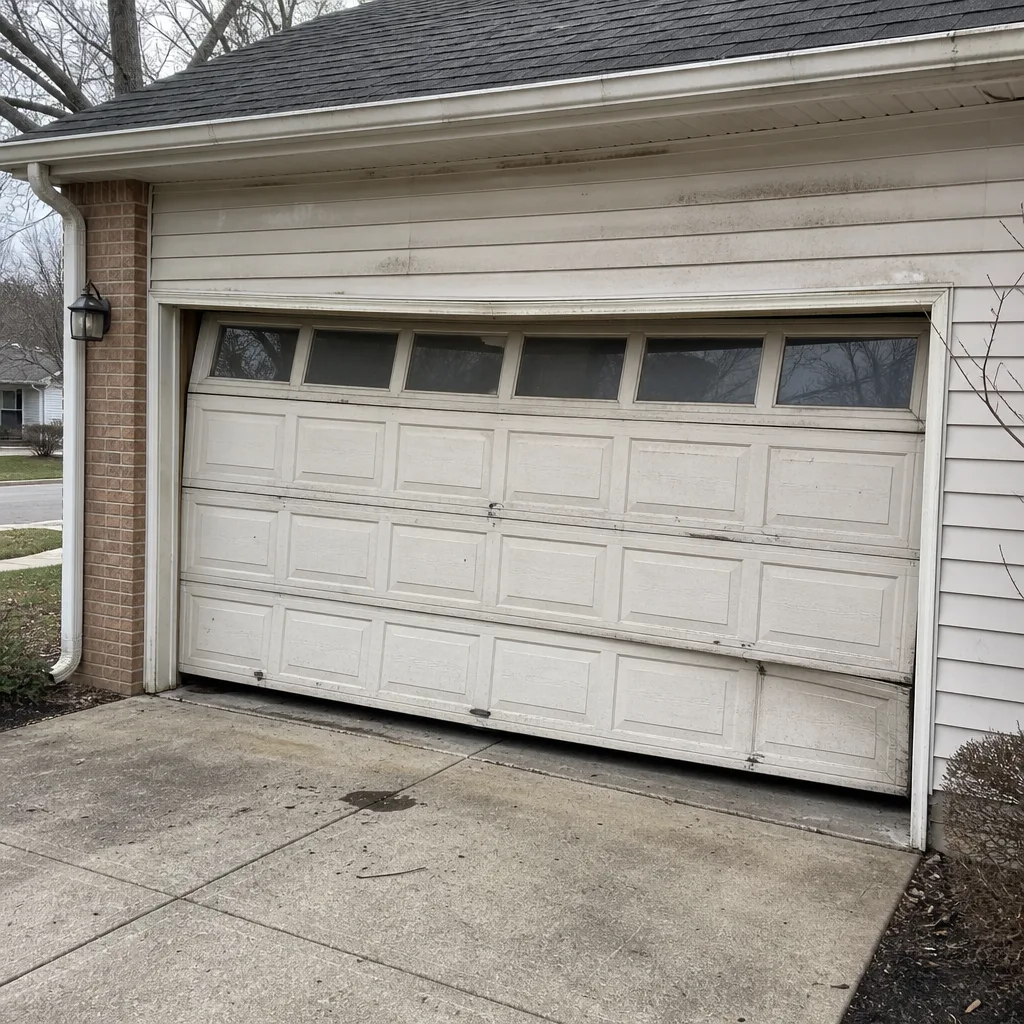
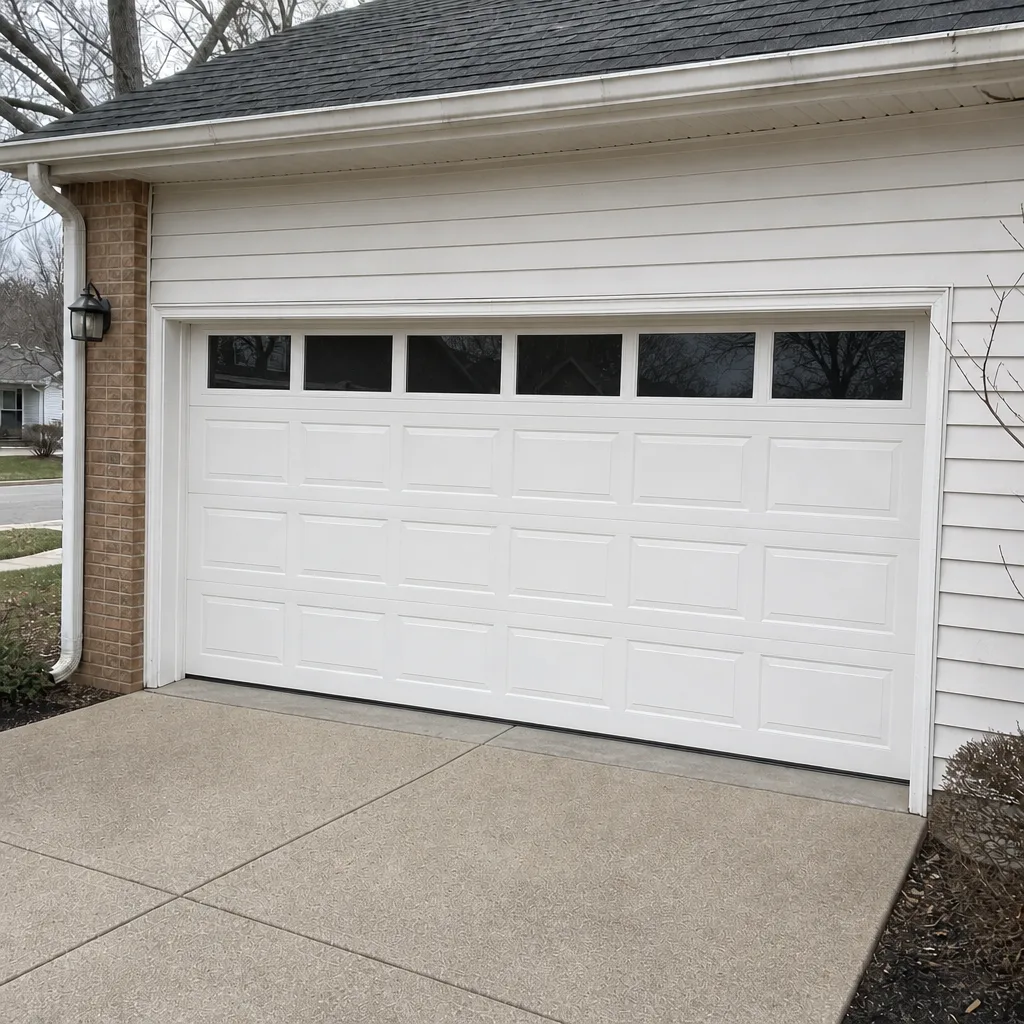
See the difference
 Before
 After
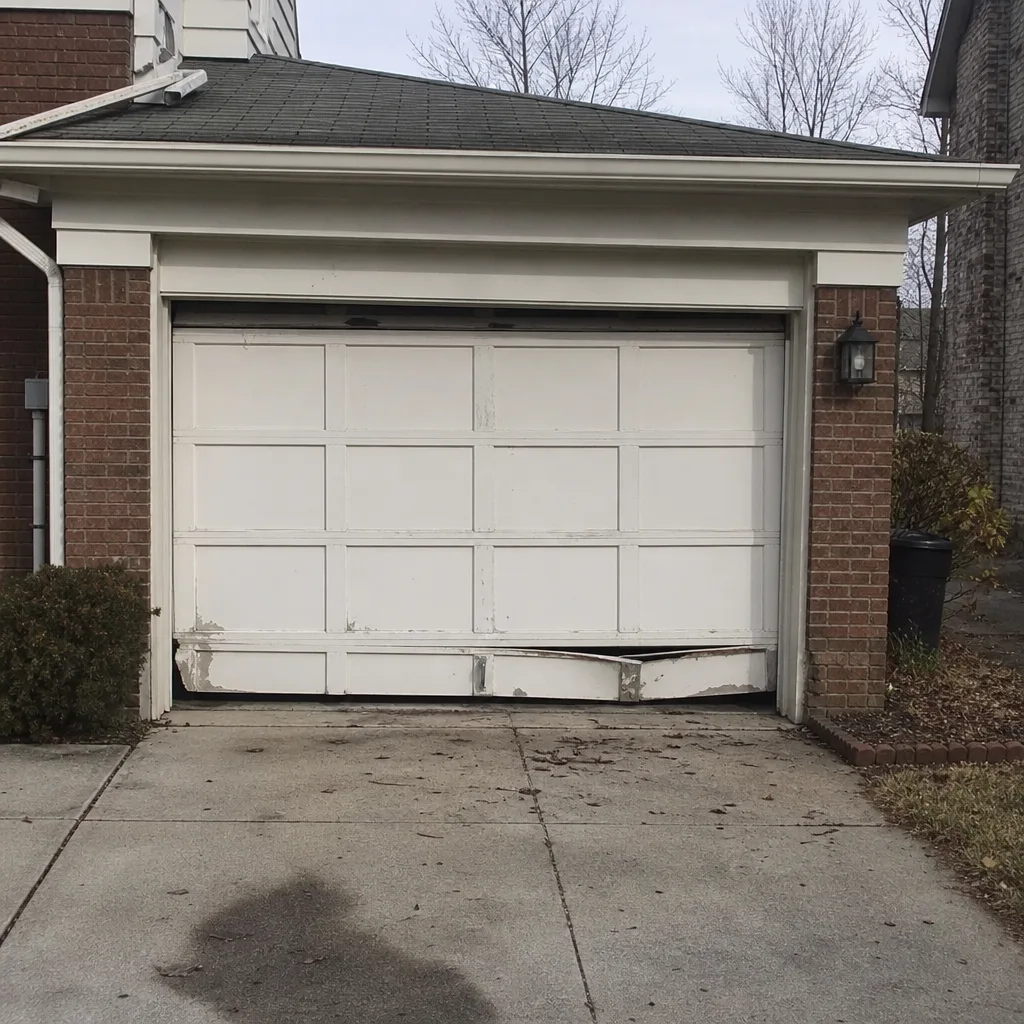 Before
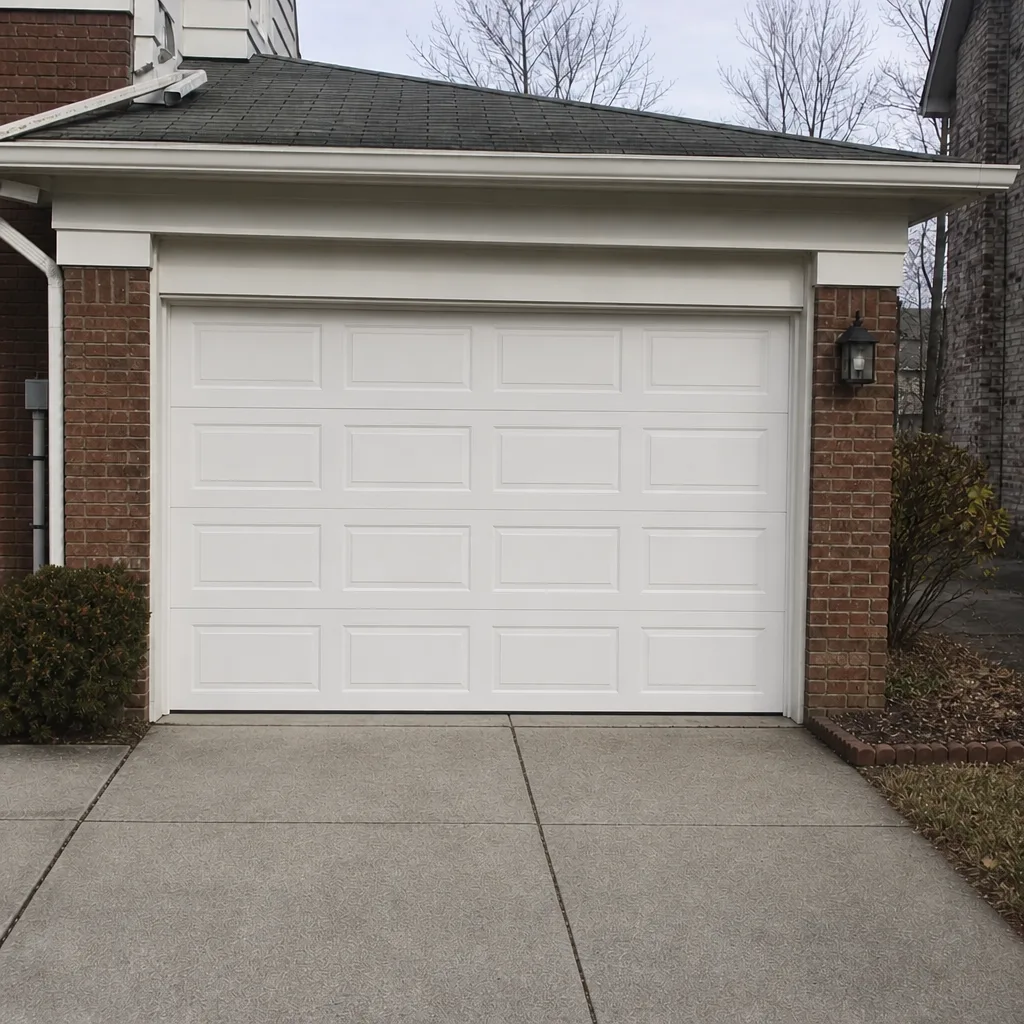 After
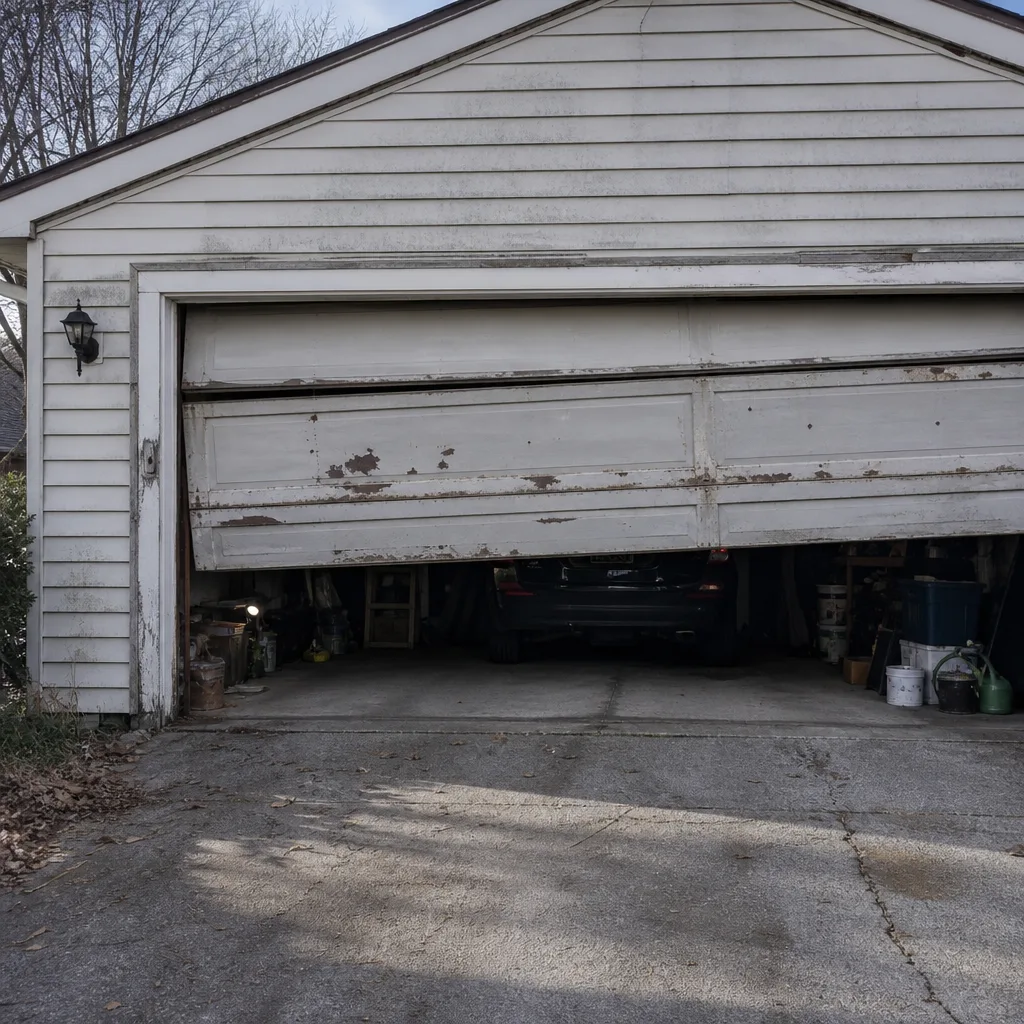 Before
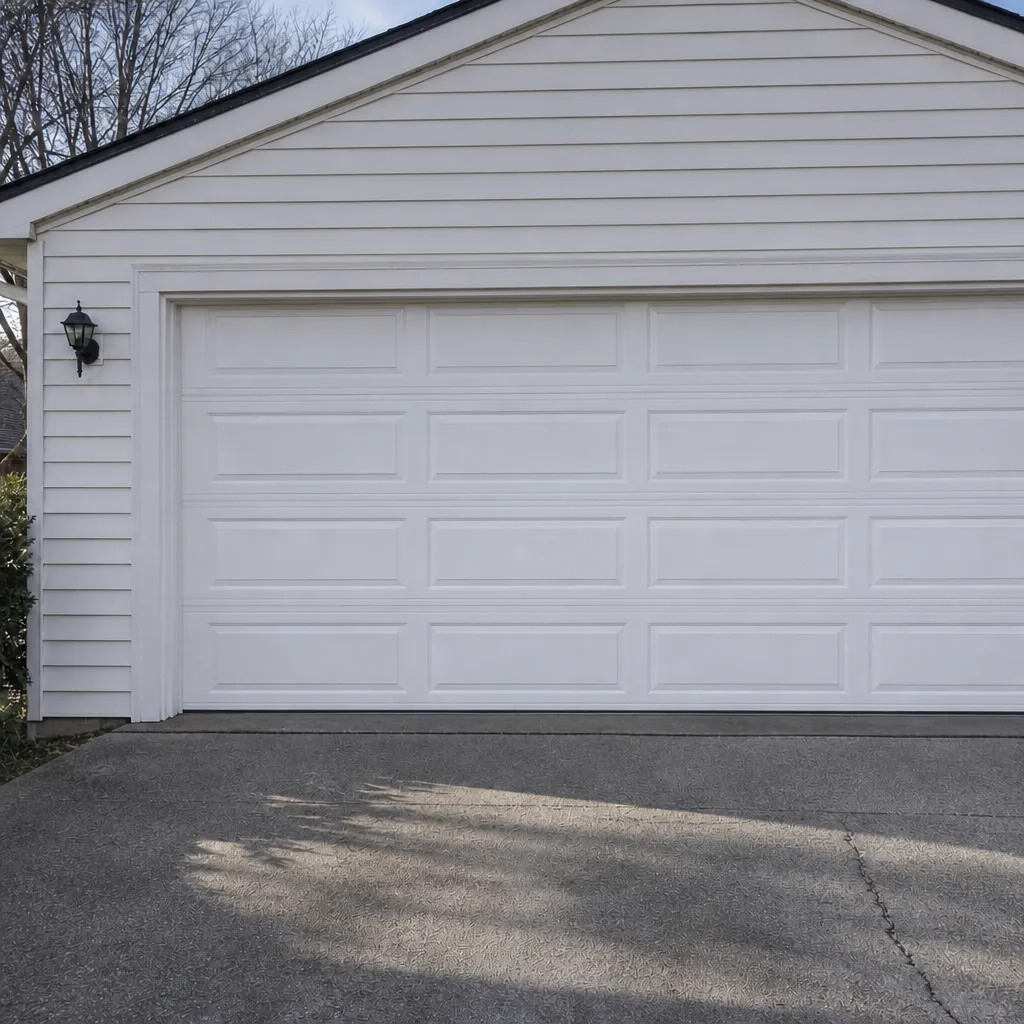 After
When to Call a Professional
Some maintenance is a homeowner job. Some of it can hurt you. Call us when you see any of these: a snapped or sagging spring, a frayed or slack cable, a door that’s suddenly very heavy to lift, a bent track, a door that fails the auto-reverse test after you’ve cleaned the sensors, an opener that runs but won’t lift the door, or a door that’s stuck open. A stuck-open door leaves your home unsecured, and that’s exactly the kind of situation where fast response matters. Hilliard Garage Door Repair Pros offers free estimates in Hilliard – call (833) 918-9857. Our technicians have up to 11 years of experience, and we handle everything from a quick adjustment to a full spring replacement to a complete new door installation. We answer 24/7. Fast dispatch from 7am to 7pm, Sunday through Friday.
Frequently Asked Questions
Twice a year is enough for most Hilliard homes: once in spring and once in fall before the first hard freeze. Use white lithium grease on the springs, hinges and the opener’s chain or rail, and a silicone spray on the roller stems. The fall pass matters most because it protects the door through the coldest, hardest weeks of the year. If your garage sees heavy daily use, add a third light pass in mid-summer. Call (833) 918-9857 for a free estimate if you’d rather have a professional handle the lubrication and inspection in one visit.
They test two separate safety systems. The photo-eye test checks whether the invisible beam across the door’s path stops the door when something breaks it. The auto-reverse test checks whether the door reverses when it hits an object on the floor. Both should be run every few months, and both take under a minute each. If either fails after you’ve cleaned the sensors and checked for obstructions, don’t keep using the door – call (833) 918-9857 for an estimate on the repair.
Not necessarily broken, but it does mean the spring has lost tension and is likely to fail soon. A balanced door should lift with only a few pounds of pressure and stay where you leave it. If it drops fast or won’t stay at halfway, the spring needs attention. Don’t try to adjust it yourself – a torsion spring is under several hundred pounds of tension. Call us at (833) 918-9857 and we’ll take a look; estimates are free.
Not every year, but check it every fall. A bottom seal that’s torn, stiff, or leaving a visible gap is worth replacing before winter, because it lets cold air and snowmelt into the garage. In Hilliard, a good seal also keeps road grit out and prevents a slick concrete floor. Replacing the bottom seal is an inexpensive maintenance job, and it’s worth doing when the seal shows real wear rather than on a fixed annual schedule.
If it’s a legacy unit from the last two decades and the repair costs more than a modest fraction of a new opener, replacement usually makes more sense. If it’s a LiftMaster or Chamberlain with the myQ platform that’s just lost its app connection, that’s often a module or Wi-Fi issue worth repairing. For an older Genie or Craftsman, a burned-out motor or a broken gear is often the signal to replace rather than repair. Call (833) 918-9857 and we can talk you through the options with a free estimate.
The mechanical maintenance is the same as any other opener – lubrication, force and travel settings, and the safety test. The extra step for smart openers is keeping the app connection healthy: check that the module’s battery or power is solid and that the door still responds through the app. If it works from the wall button but not the app, it’s almost always a connectivity problem, not a mechanical one. If it works neither way, call (833) 918-9857 for a diagnostic estimate.
The Bottom Line
A working garage door in Hilliard comes down to three habits: lubricate the right parts with the right product twice a year, run the four-minute safety test regularly, and schedule the heavier inspection in the fall before the coldest weeks hit. Most of the parts you can inspect yourself – cables, rollers, hinges, tracks, panels, the bottom seal – with the pass/fail criteria in this guide. The one part you should never touch is the spring. If you see any fail on a spring or cable, stop using the door and call a professional. A small can of white lithium grease and a four-minute test each season does more for your door than any repair will. For a free estimate or to schedule a fall inspection, call Hilliard Garage Door Repair Pros at (833) 918-9857. We answer 24/7. Fast dispatch from 7am to 7pm, Sunday through Friday. Our technicians have up to 11 years of experience, and we work on your brand, from a single spring to a full new installation.
Written by the team at Hilliard Garage Door Repair Pros.