
Last updated November 22, 2026
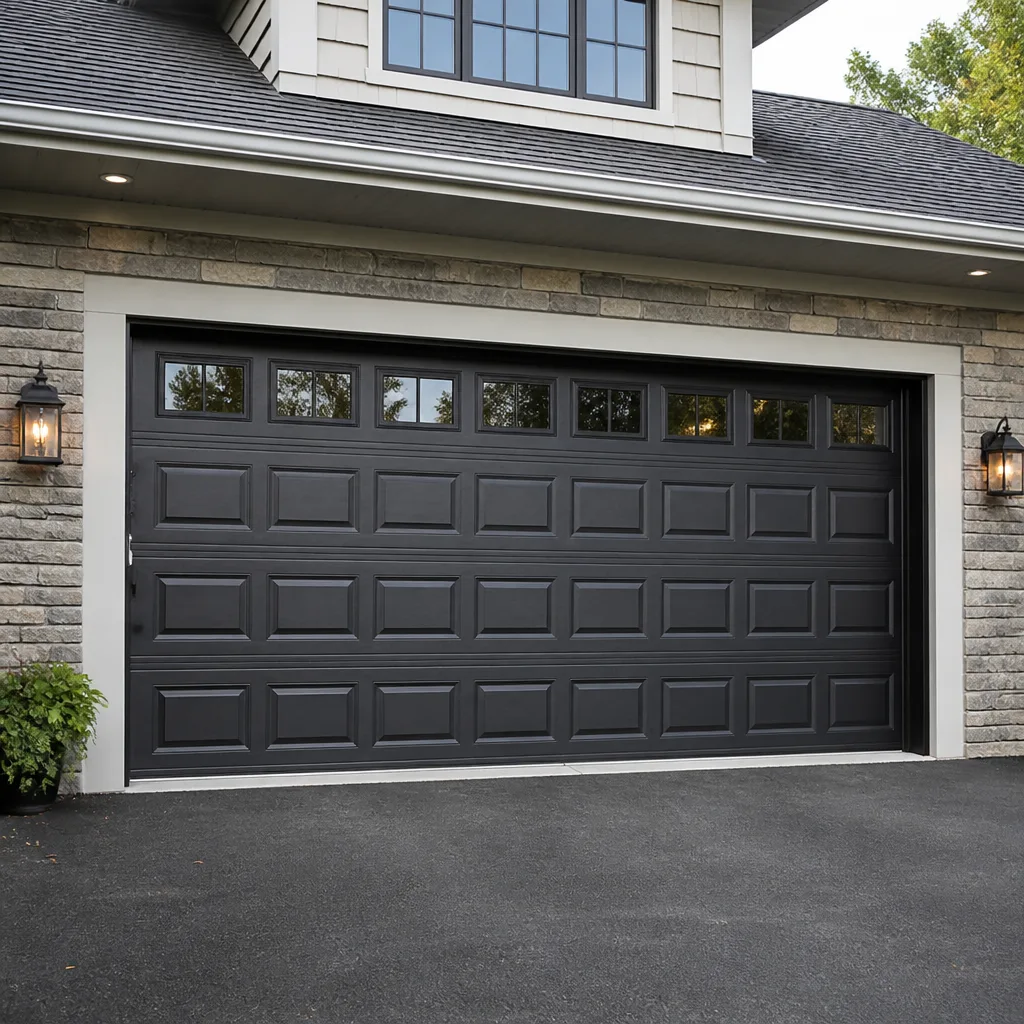 Raised-panel steel
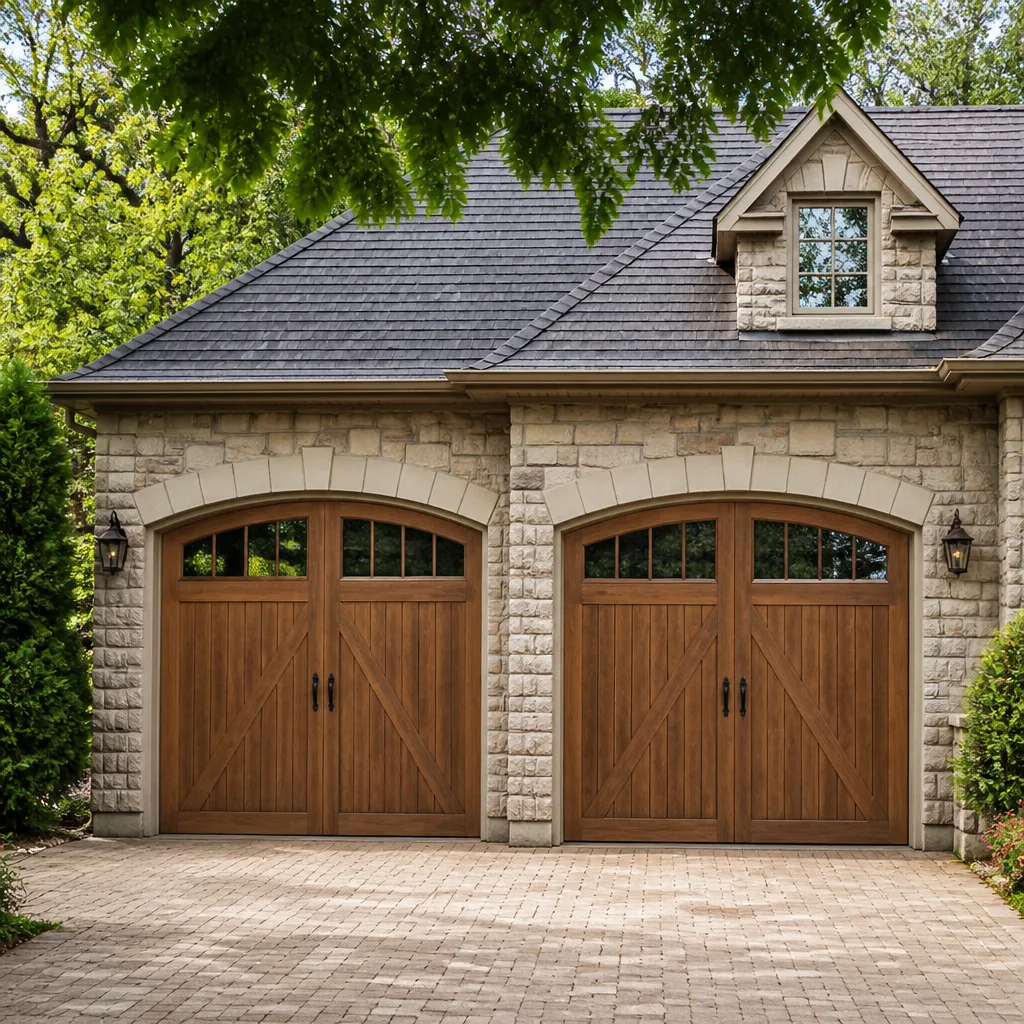 Carriage house
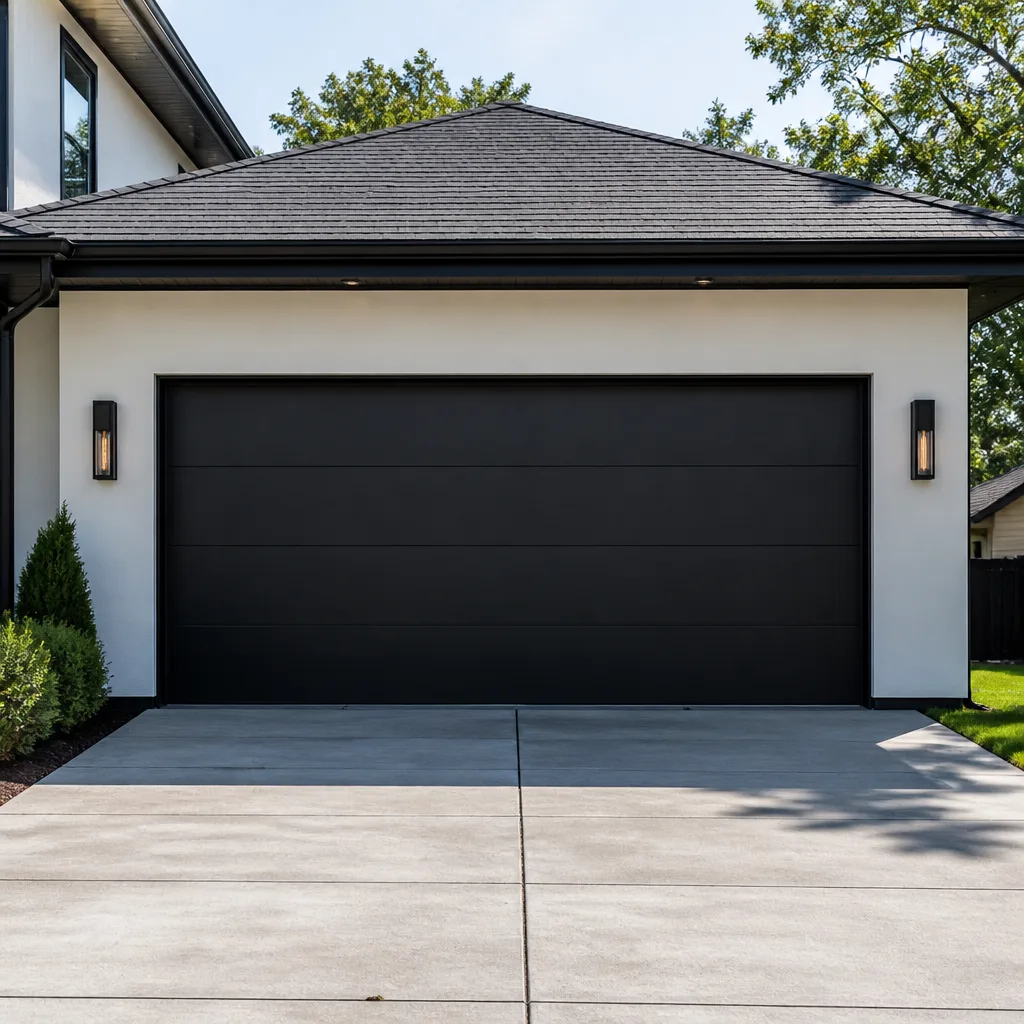 Modern flush
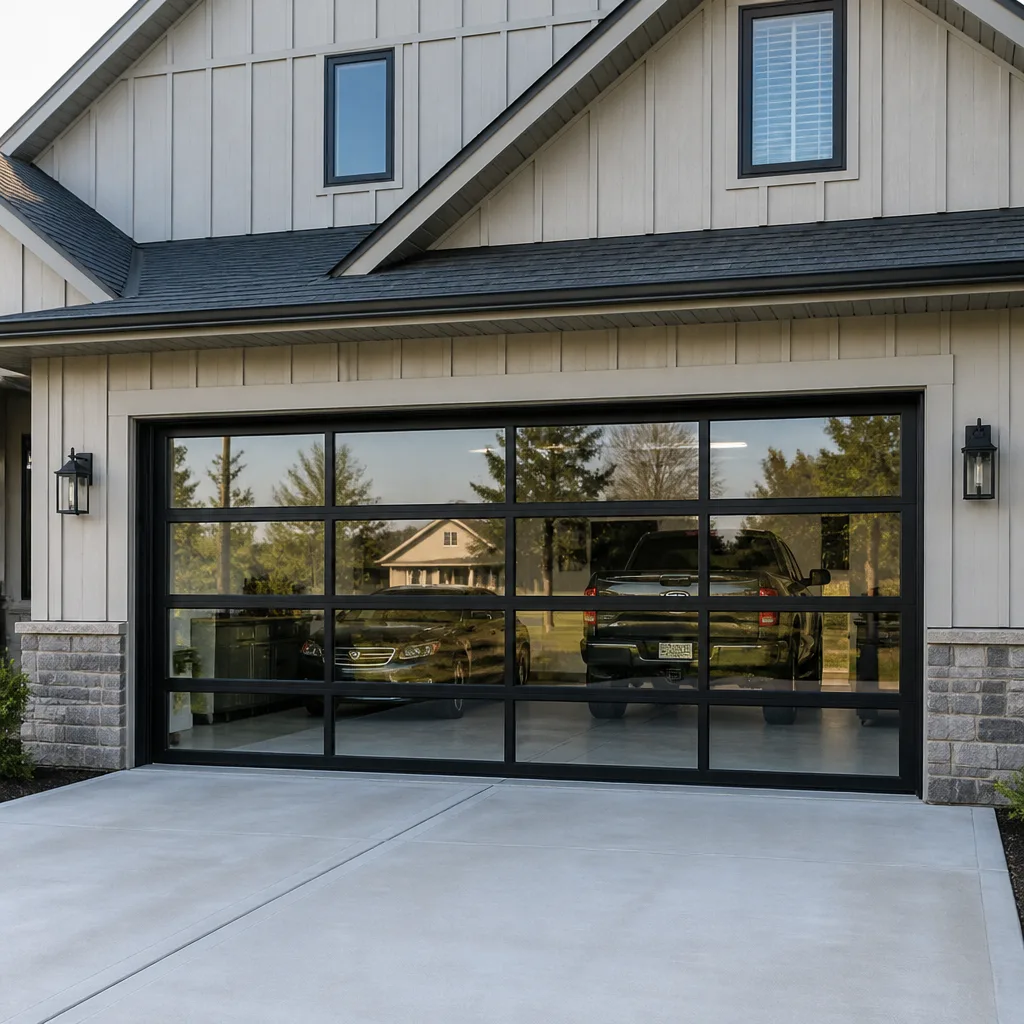 Full-view glass
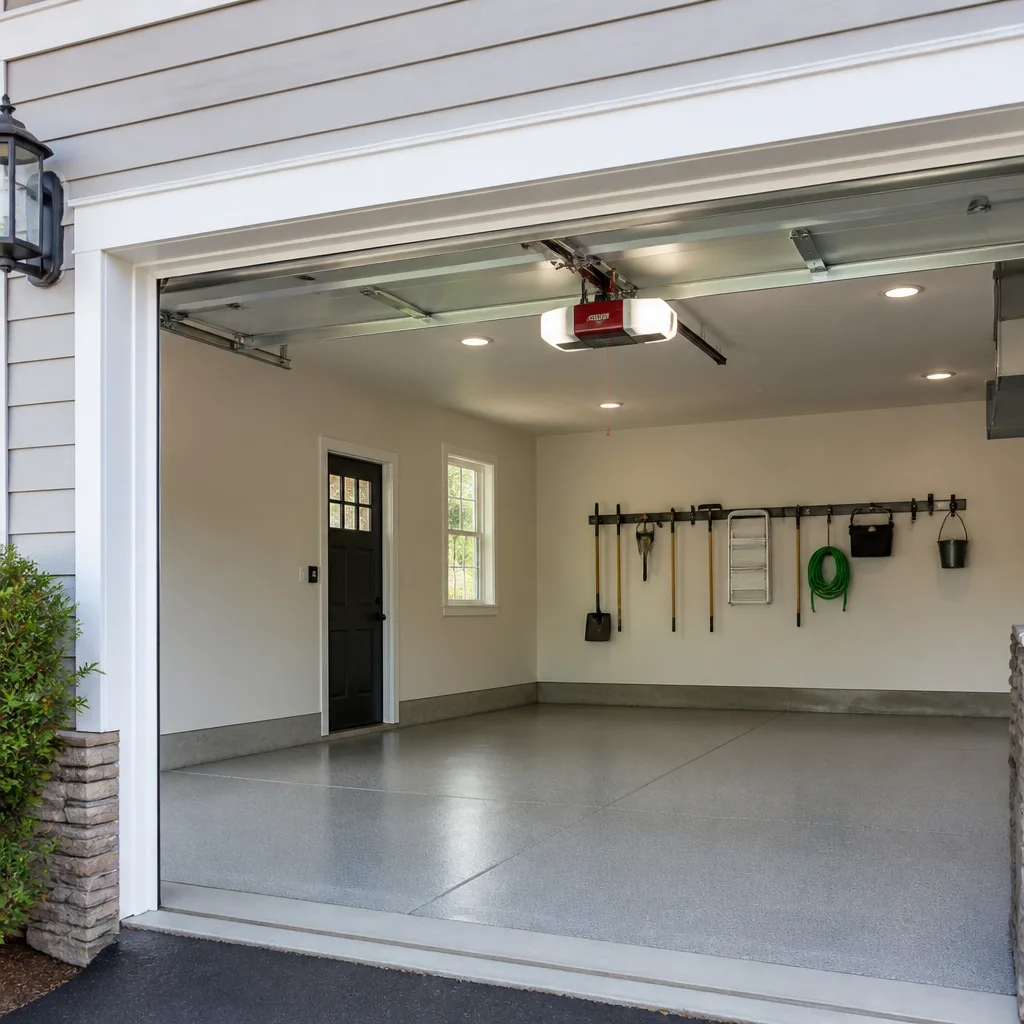 LiftMaster openers
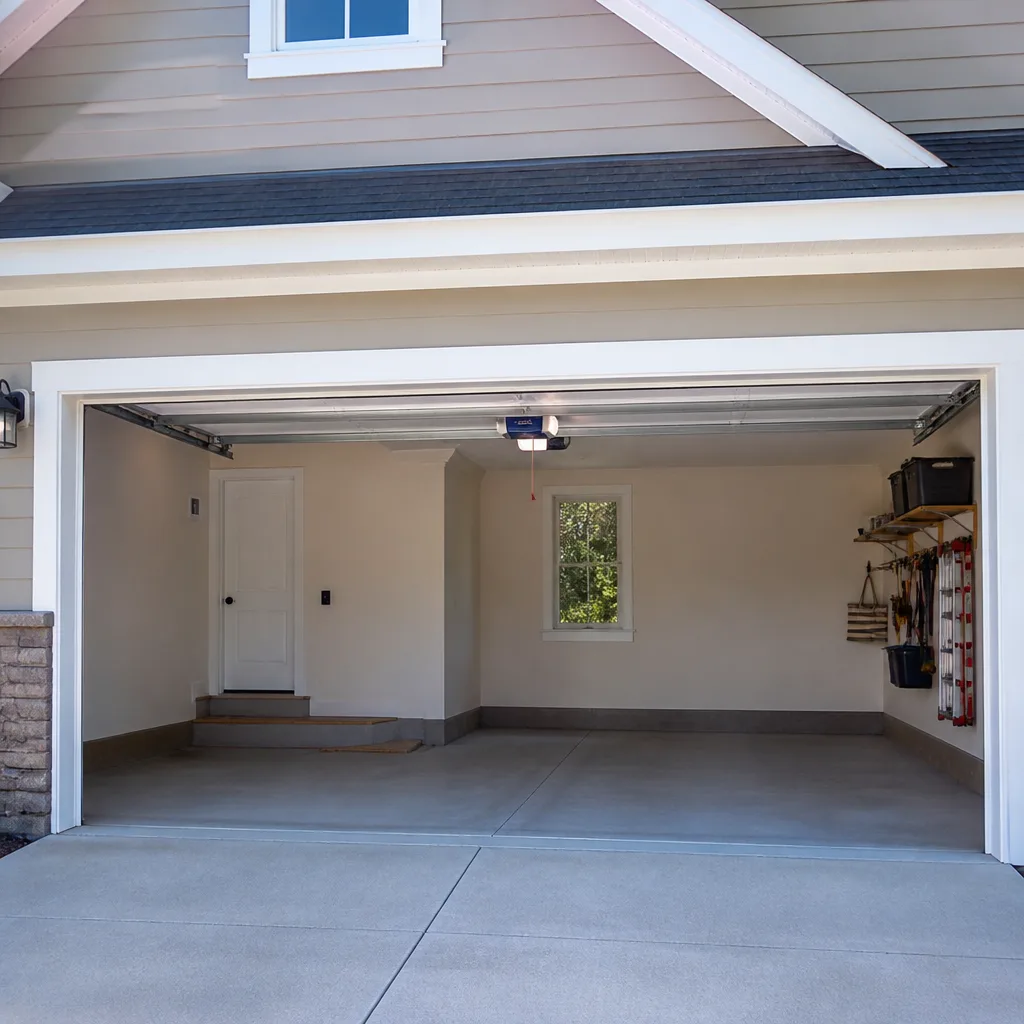 Chamberlain openers
Full 25-point door and opener safety check with every visit - springs, cables, rollers, tracks, and your LiftMaster or Chamberlain opener included
You get a price before we start. It does not change when the pro arrives.
Get your free estimateGarage Door Emergency Preparedness Guide for Hilliard Homes
Here’s the counterintuitive part about garage door emergencies: the door itself is rarely the thing that traps you. The decision-making does. In Hilliard, a door fails in a way that leaves your car inside, your house open, or both, and most homeowners spend the first ten minutes on the wrong instinct – yanking the manual release when they shouldn’t, calling a locksmith when the door isn’t a lock problem, or leaving the house unsecured to make it to work. Those ten minutes matter more than the repair that follows. This guide walks you through the three manual procedures worth knowing by heart, how to tell a real safety emergency from an inconvenience, the pre-emergency checklist Hilliard homeowners can complete in one afternoon, and how to vet whoever you call at 11 p.m.
Quick Answer
A garage door emergency in Hilliard usually falls into one of two categories: a true safety problem (broken spring with the door overhead, cable off the drum, door off its tracks) that means you stop using the door and call a professional, or a functional problem (dead opener, power failure, remote that won’t sync) that you can often handle manually. Never pull the manual release cord when a spring is broken – the door becomes a falling weight. Call (833) 918-9857 to reach a specialist. We answer 24/7, and the local pro we connect you with is licensed and insured as their state requires, with fast dispatch from 7am to 7pm, Sunday through Friday. The written estimate sets the price, every time.
Styles & brands we work with
- Raised-panel steel
- Carriage house
- Modern flush
- Full-view glass
- LiftMaster openers
- Chamberlain openers
Table of Contents
- What Counts as a Garage Door Emergency in Hilliard?
- How to Use the Manual Release Cord Safely
- When a Spring Snaps vs. When the Opener Fails
- The Pre-Emergency Checklist for Hilliard Homes
- How to Vet an Emergency Garage Door Company at 11 p.m.
- Why Central Ohio Winters Stress Garage Doors
- When to Call a Professional
- Frequently Asked Questions
What Counts as a Garage Door Emergency in Hilliard?
A garage door emergency is a failure that leaves your home unsecured, traps a vehicle, or creates a risk of injury. Anything else is an inconvenience you can schedule around. That distinction matters in Hilliard because it decides whether you pick up the phone at 6 a.m. or leave a message with a repair company and go to work.
Get clear on the categories before you need them. When the phone is ringing and the door is hanging, you won’t want to reason it out from scratch.
- True safety emergency: a broken spring with the door stuck overhead, a cable off its drum, the door off its tracks, or a door that has come partially detached from its top fixture. Do not operate the door. Clear anyone out from under it and call a specialist.
- Security emergency: the door won’t close at all, or a power failure leaves it open overnight. Your home is exposed, and you want it sealed before nightfall.
- Vehicle-trap emergency: the door won’t open and the only car is inside. Not dangerous, but it decides whether you need same-day service or a morning appointment.
- Inconvenience: one remote won’t sync, a light won’t turn off, or the opener is making a new noise the door still functions through. Schedule an appointment.
In our experience across Hilliard, the most common misjudgment is treating a broken spring as an inconvenience. A door balanced by a snapped spring is dead weight in the hundreds of pounds, and it can come down hard on anyone or anything beneath it. That’s a stop, not a schedule. If your door is in one of those first three categories, call (833) 918-9857 to reach a specialist. We answer 24/7.
How to Use the Manual Release Cord Safely
The manual release cord disengages the opener from the door so the door can be moved by hand. It should only be pulled when the door is fully closed, a spring has not failed, and you are physically able to control the door’s weight. If a spring is broken or the door is uneven, pulling the cord converts a stuck door into a falling one.
The cord hangs from the trolley carrier on the opener rail, usually with a red handle at the bottom. Before you touch it, follow this order:
- Confirm the door is fully closed and sitting flat. If it’s half-open or hanging at an angle, stop and call a professional.
- Check the spring and cable condition. A gap in the spring coil, a visibly twisted cable, or a slack drum means the balance system has failed. Do not pull the release.
- Stand clear of the door’s path and hold the bottom section while a second person pulls the cord. The door should feel manageable. If it feels like holding up a car hood with no prop rod, lower it back down slowly and do not continue.
- Lift slowly and deliberately. If it feels heavy, binds, or won’t stay up on its own, lower it and call in a professional.
On newer LiftMaster and Chamberlain openers the trolley release mechanism is similar to legacy systems, so the same procedure applies. On older Genie and Craftsman units the handle can be harder to find; trace the rope up to the rail. Never force a release that won’t move – a jammed trolley is a repair, not a tug-of-war. For the repair side of that, see our page on garage door opener repair.
When a Spring Snaps vs. When the Opener Fails
A snapped spring and a failed opener look similar from inside the car – the door won’t move – but they demand different responses. Spring failure means the door’s weight is uncontrolled and you must not operate it by hand. Opener failure means the door is balanced and safe to move manually once you release the trolley.
How to tell the difference:
- Sound: a spring break is a loud bang, often followed by a door that drops fast or hangs. An opener failure is a hum, a click, a light that flashes without movement, or complete silence.
- Visual: look at the torsion bar above the door or the extension springs along the side rails. A torsion spring break shows as a clear gap in the coil; an extension spring break shows as a separated or stretched spring. If either is off its mount, stop.
- Manual check with the door closed: with the release engaged, an opener failure typically leaves a door you can lift with one hand that stays where you put it. A broken spring leaves a door that feels impossibly heavy and won’t stay up.
If a spring is broken, do not pull the manual release and do not run the opener – it will strain the motor and can cause a crash. Call a professional for garage door spring repair; spring work is one of the most dangerous repairs a homeowner can attempt, and it’s a job for trained technicians with the right tools. If the opener has failed but the door is balanced, pull the release (door closed first) and call us. Our technicians have up to 11 years of experience, and we work on LiftMaster, Chamberlain, Genie, Clopay, Amarr, Wayne Dalton, Craftsman, and Raynor – so we know your system.
The Pre-Emergency Checklist for Hilliard Homes
A one-afternoon checklist run before winter is the single best way to reduce the chance of a failure during the worst weather. It doesn’t replace professional service; it surfaces problems while they’re still cheap to fix and the weather is on your side. Set aside a Saturday afternoon with a ladder, a flashlight, and a pair of gloves.
- Test the balance. With the door closed, pull the manual release and lift the door by hand to about halfway. It should feel manageable and stay where you put it. If it drops or feels heavy, stop and call a professional – the balance system needs attention.
- Test the auto-reverse. Place a piece of 2×4 lumber flat on the floor in the door’s path and close the door. It should reverse on contact. If it doesn’t, the opener’s travel and force limits need adjustment.
- Test the photo-eye safety sensors. With the door closing, wave something in front of the sensor lenses near the floor. The door should reverse immediately. Wipe dust off the lenses and check the mounting brackets are aligned.
- Inspect the springs and cables. Look for gaps in the torsion spring coil, extension springs that are stretched or separated, and cables that are twisted, slack, or frayed. Do not touch a cable under tension – call a professional if anything looks wrong.
- Check the tracks. Run a hand along the tracks (with the opener off) and look for dents, kinks, or a track pulling away from the wall. Any of those will eventually derail the door.
- Lubricate the moving parts. A garage-door-specific lubricant on the rollers, hinges, and spring coils once a year quiets the door and slows wear. Do not grease the tracks themselves.
- Program a backup remote and test the wall control. A second remote stored somewhere accessible (not in a car that lives inside the garage) saves you if the main remote dies.
- Write down your emergency number. Tape it inside the door frame. You won’t want to search a phone at 6 a.m. in a snowstorm.
If the checklist turns up a problem, address it before it becomes an emergency. For repair appointments in the area, see our garage door repair service page.
How to Vet an Emergency Garage Door Company at 11 p.m.
Legitimate emergency service offers a written estimate, a clear diagnosis, and a price agreed before work starts. What you’re watching for at 11 p.m. is the opposite: high-pressure upsells, missing paperwork, and a price that changes once the door is on the ground and you’re committed. A specialist with the right tools and parts on hand can tell you the problem in minutes; the wrong call costs hours and money.
When you call, run through these questions before anyone comes out:
- Do you answer 24/7, and when can a technician be dispatched? A real service line answers when you call. For us, we answer 24/7 and dispatch from 7am to 7pm, Sunday through Friday.
- Can you give me a written estimate before starting? The price should be quoted and agreed before any work begins. If a caller won’t put the price in writing, keep calling.
- What brand do you work on? Your system isn’t obscure. A technician should recognize LiftMaster, Chamberlain, Genie, Clopay, Amarr, Wayne Dalton, Craftsman, or Raynor, and know the difference between legacy openers and smart-home-integrated ones.
- Is the technician licensed and insured as the state requires? Ask. The pro who does the work should be properly credentialed.
- Does the price match the diagnosis? If the estimate jumps the moment the door is open, stop and ask why. A written estimate sets the final price unless you approve a change.
- Do they specialize in garage doors? A general handyman can often do the work but not with the same tools, parts, or expertise. Spring repair and opener diagnostics are specialist trades.
Red flags worth hanging up on: pressure to sign before the diagnosis, cash-only at midnight, no written estimate, or a price that gets higher with each new “problem” they find. A real specialist diagnoses, quotes, and leaves the decision to you. For more on the opener side of the diagnostic, see our garage door opener repair page. And if you’re past vetting and just need the right number, call (833) 918-9857. We answer 24/7.
Why Central Ohio Winters Stress Garage Doors
Hilliard winters do a specific kind of damage: temperature swings between thaw and freeze stress the springs, metal and wood sections contract and swell, and ice and snow on the driveway keep the door seal wet and jammed. A door that lived through the summer without a complaint can fail the first morning the temperature drops twenty degrees overnight, because cold makes metal brittle and thickens the lubricant that keeps everything moving.
The failures we see most in Hilliard during those weeks:
- Broken torsion springs. Cold makes a worn spring more likely to snap, and the snap often happens on the first cold morning the opener runs at full force against the frozen bottom.
- Doors that won’t close. Snow and ice under the bottom seal trip the safety sensors or stop the door short of the floor, which triggers the opener’s auto-reverse.
- Bent and closing-force failures. A door that’s binding gets forced by the opener, which then trips on the force limit. The motor hums, the door goes nowhere.
- Power-outage openings. Winter storms knock out power, and a door with only a battery-backup-less opener stays put until someone pulls the release – which you can only safely do if the springs are healthy.
The good news is that most of these are catchable with the pre-emergency checklist. The bad news is that the ones that aren’t catchable happen at the worst moments. If you’re facing a failure and the roads are bad, don’t wait. Call a specialist and get the door secured. Our team works on the eight brands above – we work on your brand, not just one manufacturer’s system. For a full new installation as a longer-term fix, our main page is at Hilliard Garage Door Repair Pros.
Common Mistakes to Avoid
- Pulling the manual release when a spring is broken. The door becomes a falling weight in a second. If you’re not sure whether the spring is intact, don’t pull the cord – call a professional.
- Running the opener on a misaligned or binding door. Every cycle strains the motor and can damage the door further. Stop, diagnose the bind, and repair before running it again.
- Leaving the house with the door stuck open overnight. Your home is exposed and your garage contents with it. Call a service that can secure it; don’t wait until morning to see how bad it is.
- Paying a deposit before a written estimate. The price should be in writing and agreed before work starts. A caller who won’t put a number in writing isn’t a service; they’re a gamble.
- Ignoring a pop or bang from the spring area. A loud bang in the garage – especially on a cold Hilliard morning – is often a spring breaking. Don’t open the door to test it. Have it looked at.
- Doing spring work yourself. Torsion and extension springs store enormous force. This is one of the most dangerous repairs a homeowner can attempt.
- Lubricating the tracks. Tracks aren’t supposed to be greasy – lubricate the rollers, hinges, and spring coils, not the rails. Grease on the tracks can cause the door to slip off.
When to Call a Professional
Call a professional when a spring is broken, a cable has come off its drum, the door has jumped its tracks, the door is hanging unevenly, or the opener runs but the door stays put. Call when the door won’t close and you can’t leave the house secure. Call when the auto-reverse or photo-eye safety features fail a test – those are the features that protect kids, pets, and cars. And call when you’ve tried the manual release and the door still won’t move as it should; that’s a symptom, not a fix.
Hilliard Garage Door Repair Pros offers free estimates in Hilliard – call (833) 918-9857. We answer 24/7, fast dispatch runs from 7am to 7pm, Sunday through Friday, and the written estimate sets the price. Our technicians have up to 11 years of experience, and we work on the eight brands you’re most likely to own.
Frequently Asked Questions
Check whether the opener is running (a hum or a click with no movement means an opener problem) or completely silent (which often means a power or safety-sensor issue). Don’t pull the manual release until you’ve confirmed the springs are intact and the door is fully closed – if a spring has snapped, pulling the release turns a stuck door into a falling one. When in doubt, call (833) 918-9857 and we’ll walk you through what’s safe.
A broken spring is a stop-use condition, not a schedule-at-your-convenience condition. The door has lost its counterbalance, so the opener and the door’s own weight can bring it down uncontrolled. Do not run the opener, do not pull the manual release, and keep people out from under the door. Call a professional for spring repair – that’s a job for trained technicians with the right tools, not a homeowner fix.
The price depends on the repair, and the written estimate you receive before work starts sets the final number. Spring repair, opener diagnostics, and track or cable work all price differently, and a door that needs parts has a different estimate than one that needs adjustment. Call (833) 918-9857 for a free estimate – estimates are free and the price is agreed before any work begins.
Same-day service is available for urgent failures. We answer 24/7, and fast dispatch runs from 7am to 7pm, Sunday through Friday. If a door is leaving your home unsecured or trapping your car, call (833) 918-9857 – we’ll tell you the soonest a technician can be out.
Yes, if the door is fully closed, the springs are intact, and you can lift the door comfortably on your own. Pull the manual release cord on the opener rail, then lift the door slowly by hand and check it stays where you put it. If it feels heavy or won’t stay up, don’t force it – that’s a sign the balance system needs professional attention, not a power problem.
An emergency leaves your home unsecured, traps a vehicle, or risks injury (broken spring, cable off the drum, door off the tracks). An inconvenience is something the door still functions through – a remote that won’t sync, a light that stays on, a noise that hasn’t stopped the door from working. Wait on the second, call on the first. If you’re not sure which you have, call (833) 918-9857 and we’ll help you sort it out.
The Bottom Line
The difference between a two-hour garage door disaster and a ten-minute inconvenience in Hilliard comes down to preparation and the right phone number. Know the manual release procedure, know the difference between a broken spring and a dead opener, run the pre-emergency checklist once before winter, and vet whoever you call before they arrive. The written estimate sets the price, estimates are free, and the technicians are ready when you are. Keep that number where you can find it in the dark: (833) 918-9857. We answer 24/7. Fast dispatch from 7am to 7pm, Sunday through Friday. And remember: your door, our specialty – we’re here when it matters.
Written by the team at Hilliard Garage Door Repair Pros.
See the difference
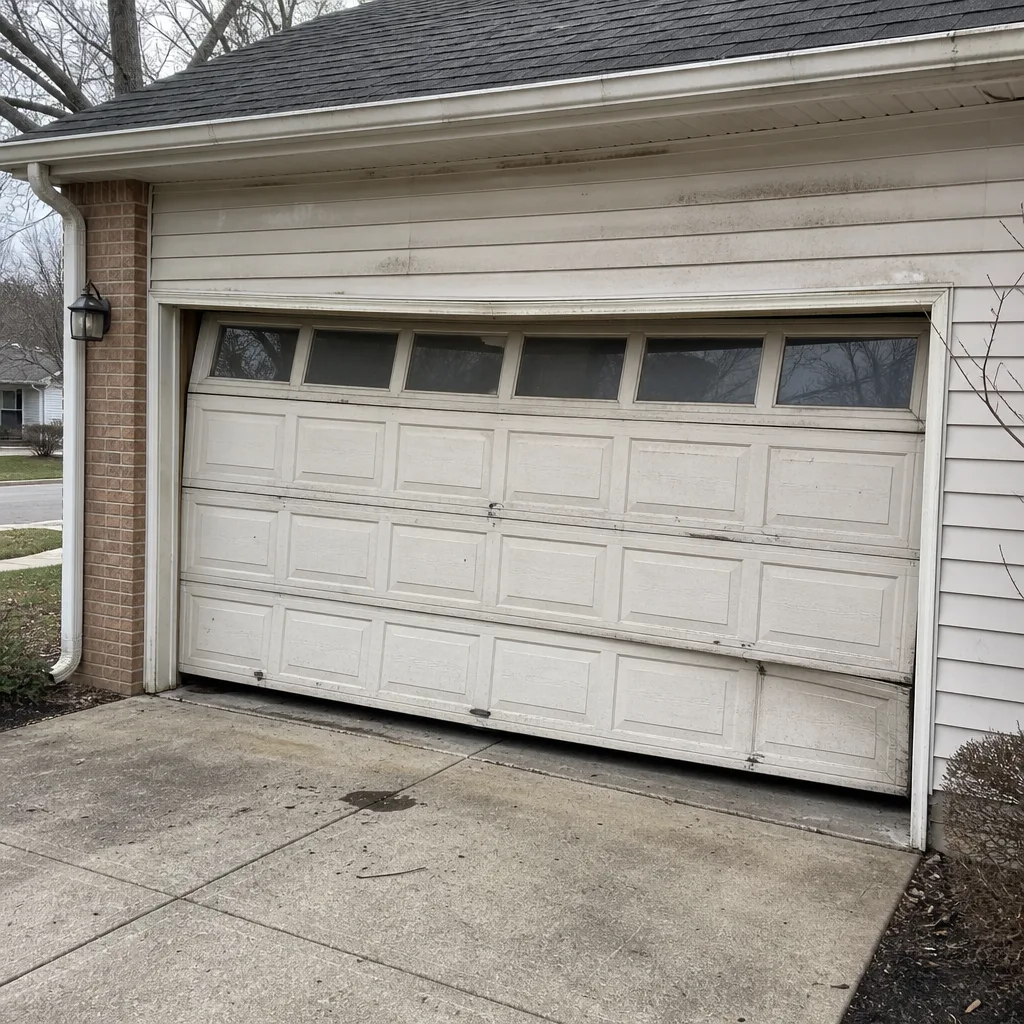 Before
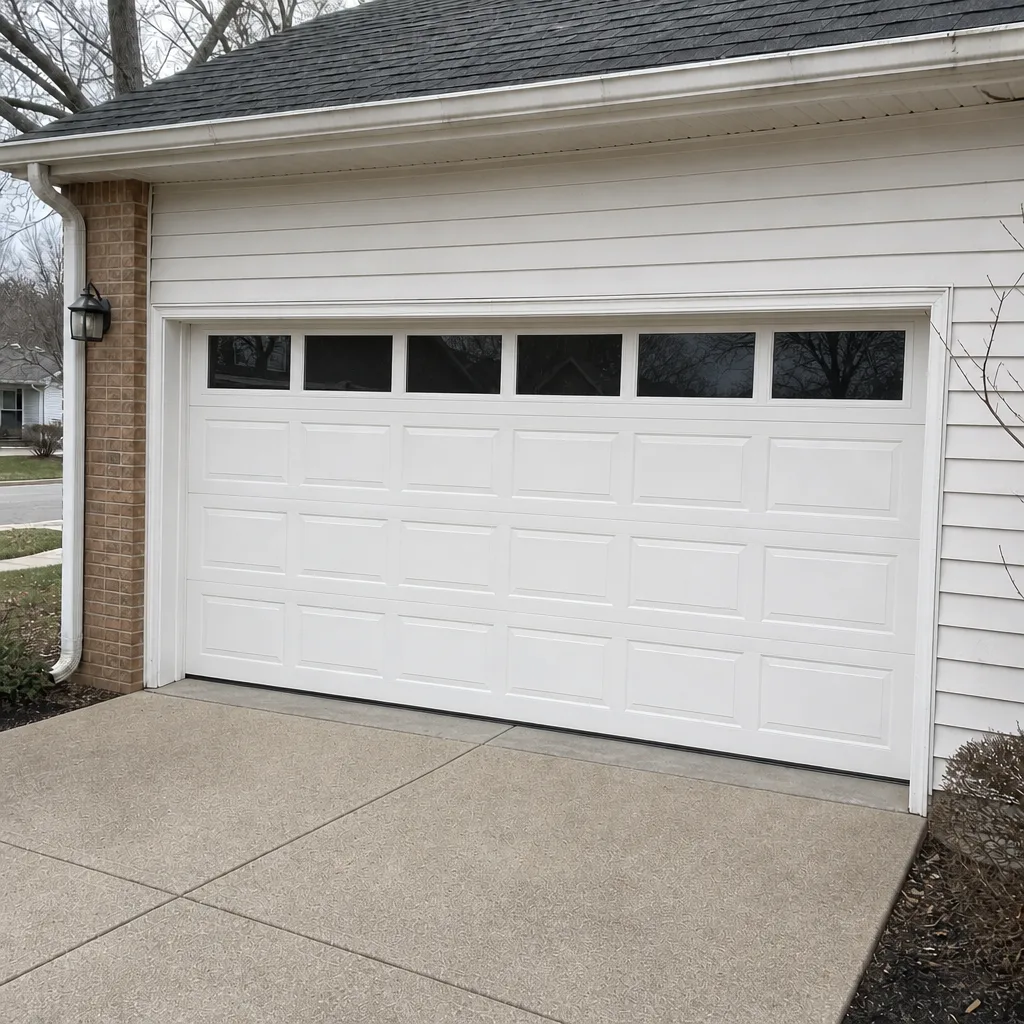 After
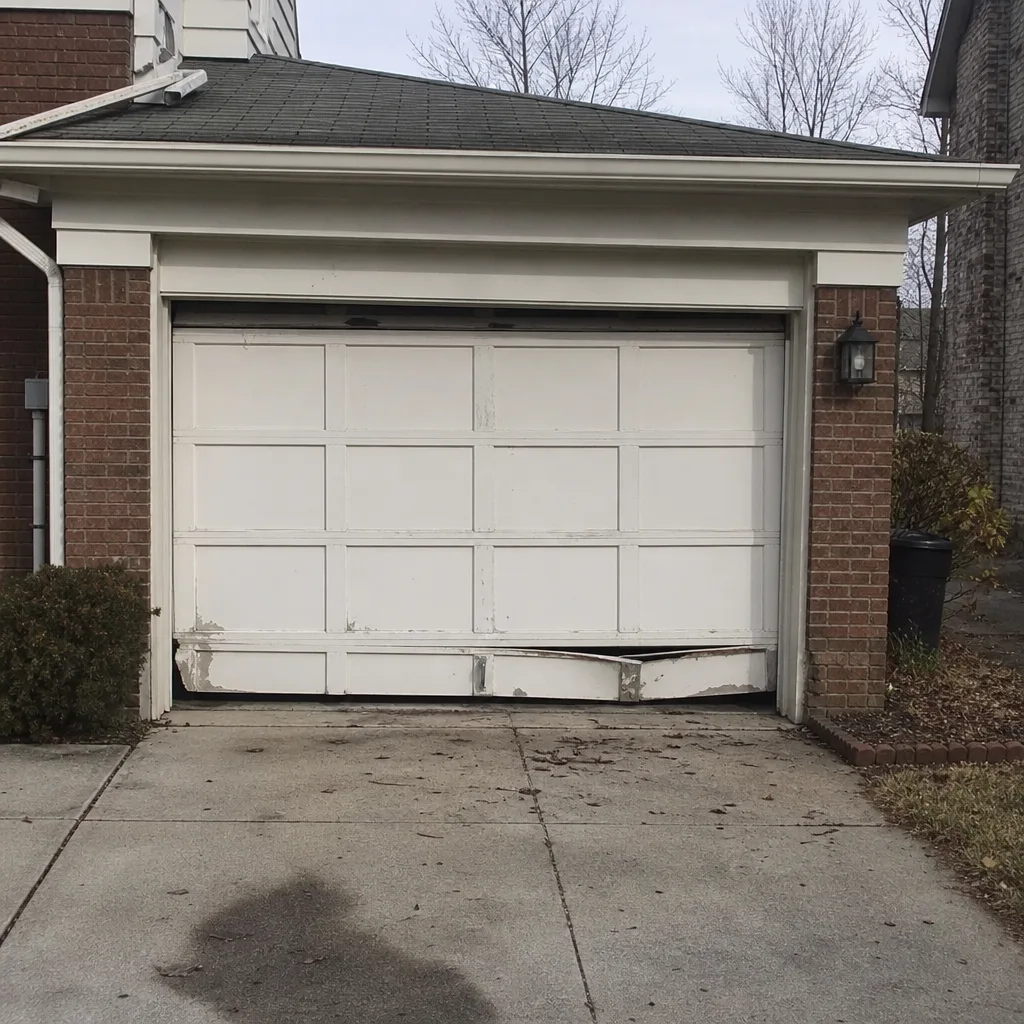 Before
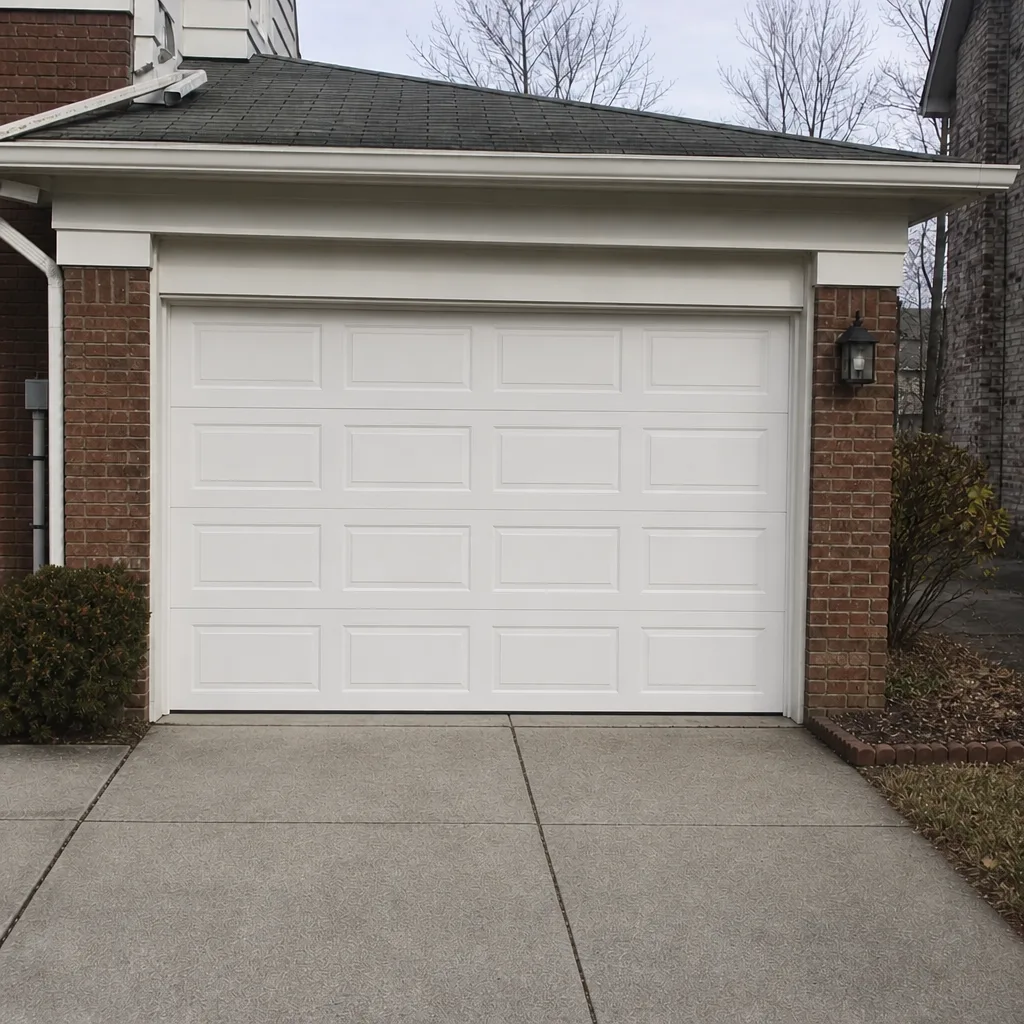 After
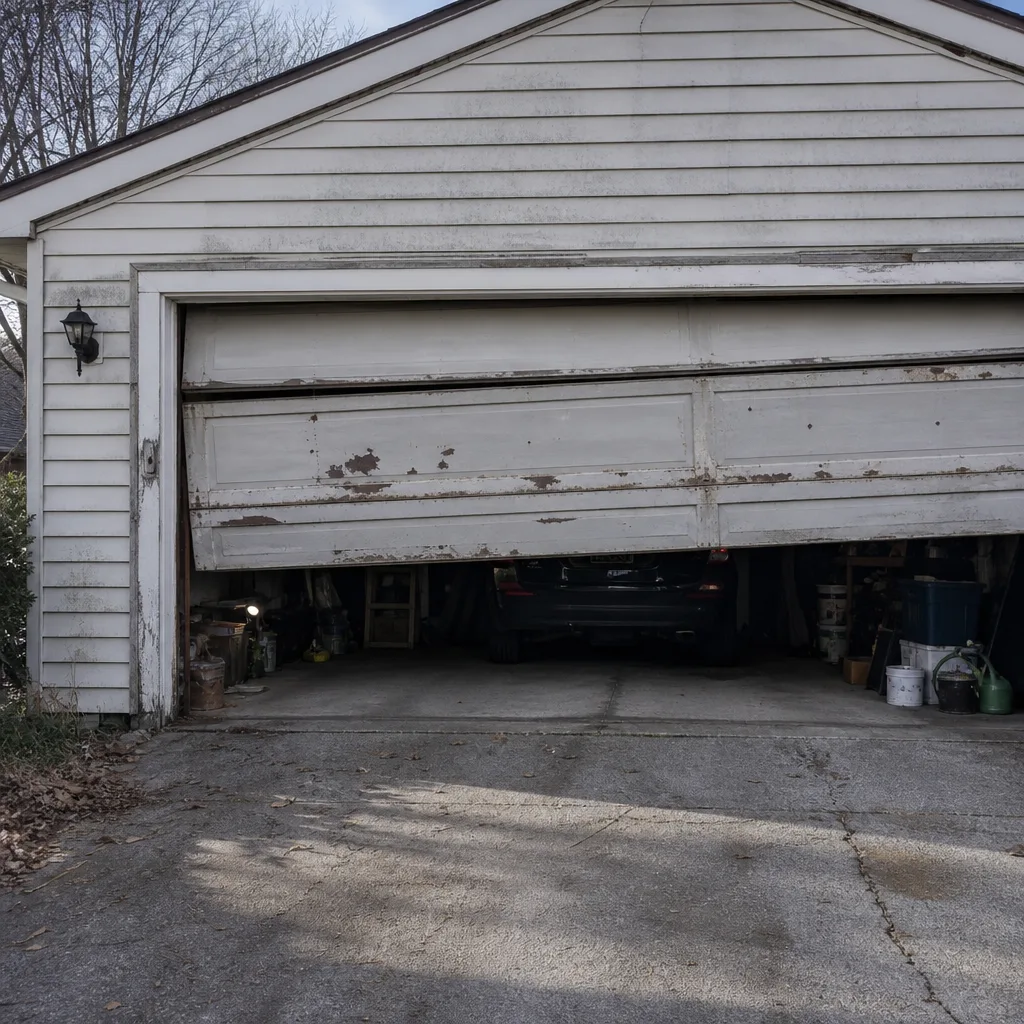 Before
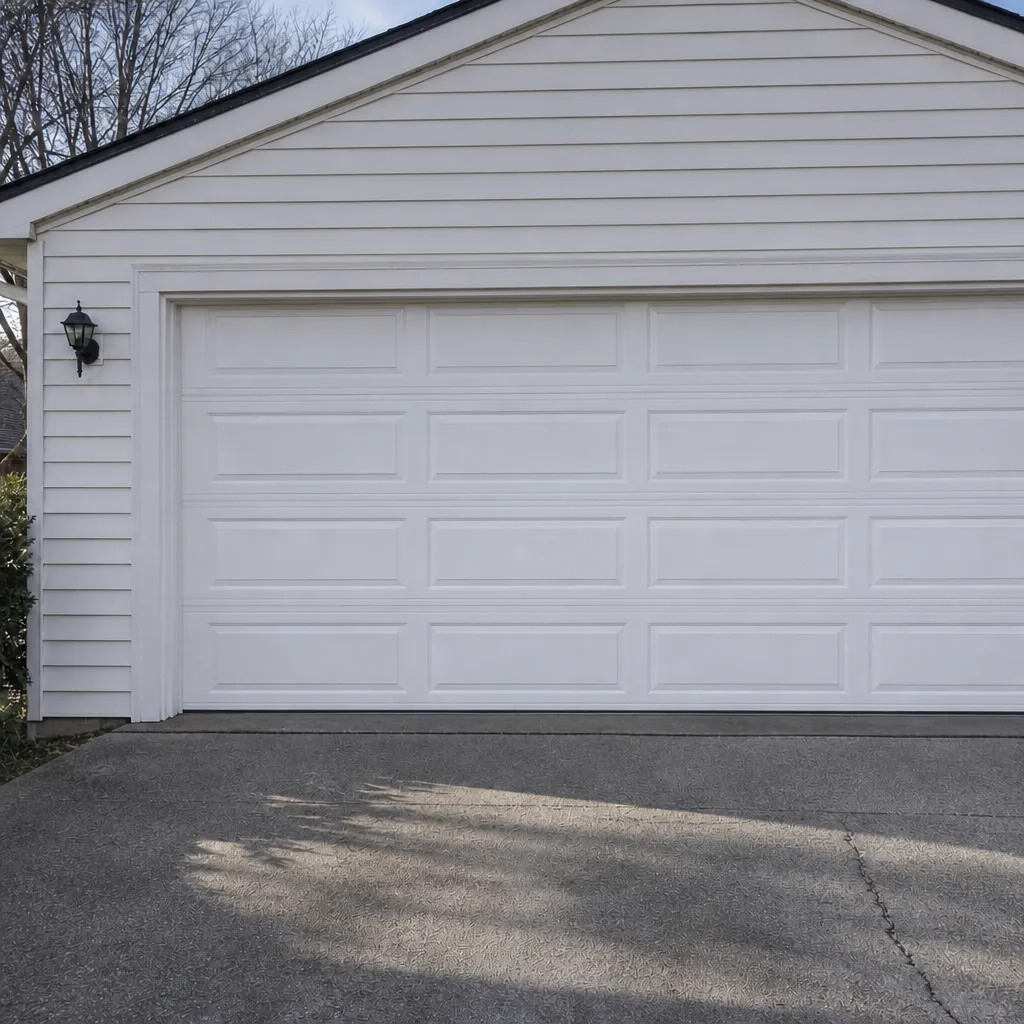 After